

An effective sourcing checklist also improves comparison between manufacturers, especially for commercial glass-door projects. In this guide, the focus is on practical procurement criteria for distributors who handle mixed project requirements across offices, hospitals, retail spaces, and public buildings.
Outline
- Define the sourcing goal and project scope
- Check product categories and application fit
- Review technical specifications and compliance evidence
- Compare suppliers, documentation, and support capability
- Use a distributor-focused decision matrix
Why Global Distributors Need a Structured Automatic Door Operator Supplier Checklist
A structured checklist prevents mismatches between the operator and the doorway. Global distributors often source for sliding doors, swing doors, and glass-door retrofits, so a single generic specification rarely works.
Commercial entrance automation is sensitive to door weight, opening frequency, installation space, and access-control integration. The U.S. General Services Administration notes that accessible entrances must support predictable and reliable operation, which makes correct product selection essential; see Access Board guidance on doors and gates.
For distributors, sourcing discipline also protects margin. Fewer returns, fewer field failures, and fewer compatibility disputes usually lead to better project continuity.
What Product Categories Matter Most for Door Operator Sourcing
The most useful supplier portfolio includes motors, sliding operators, swing operators, accessories, and complete drive kits. These categories cover both new installations and replacement projects.
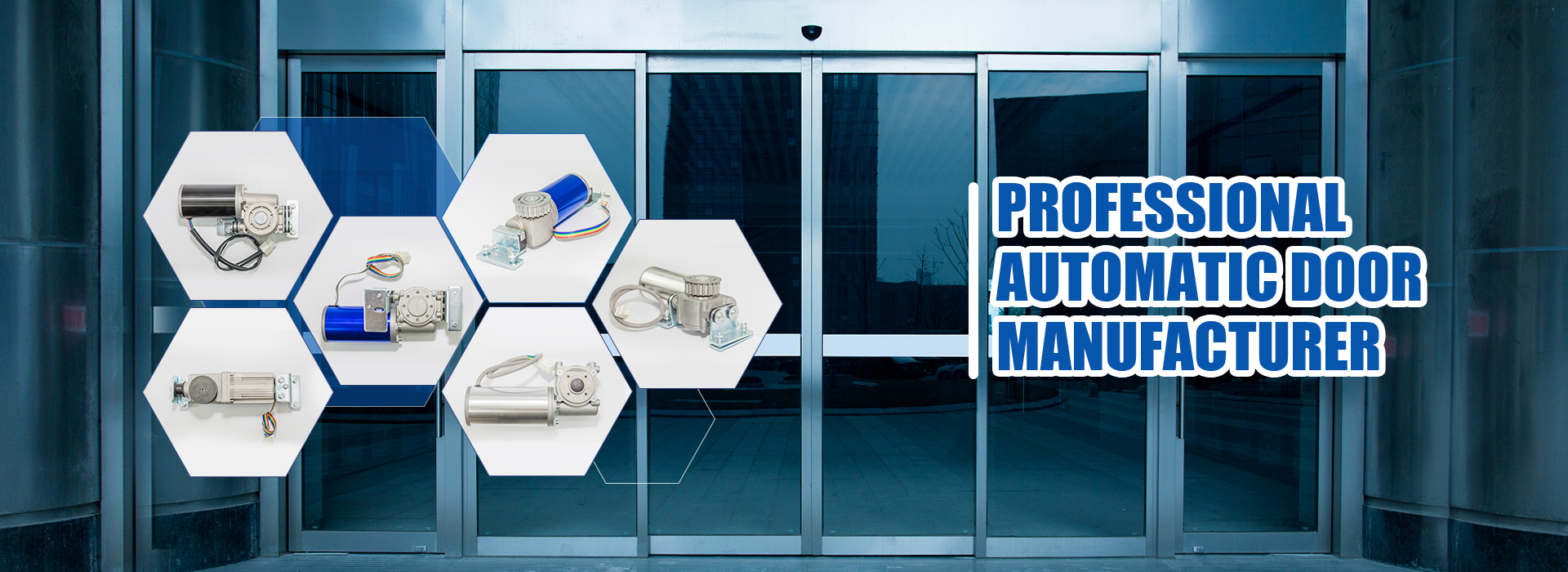
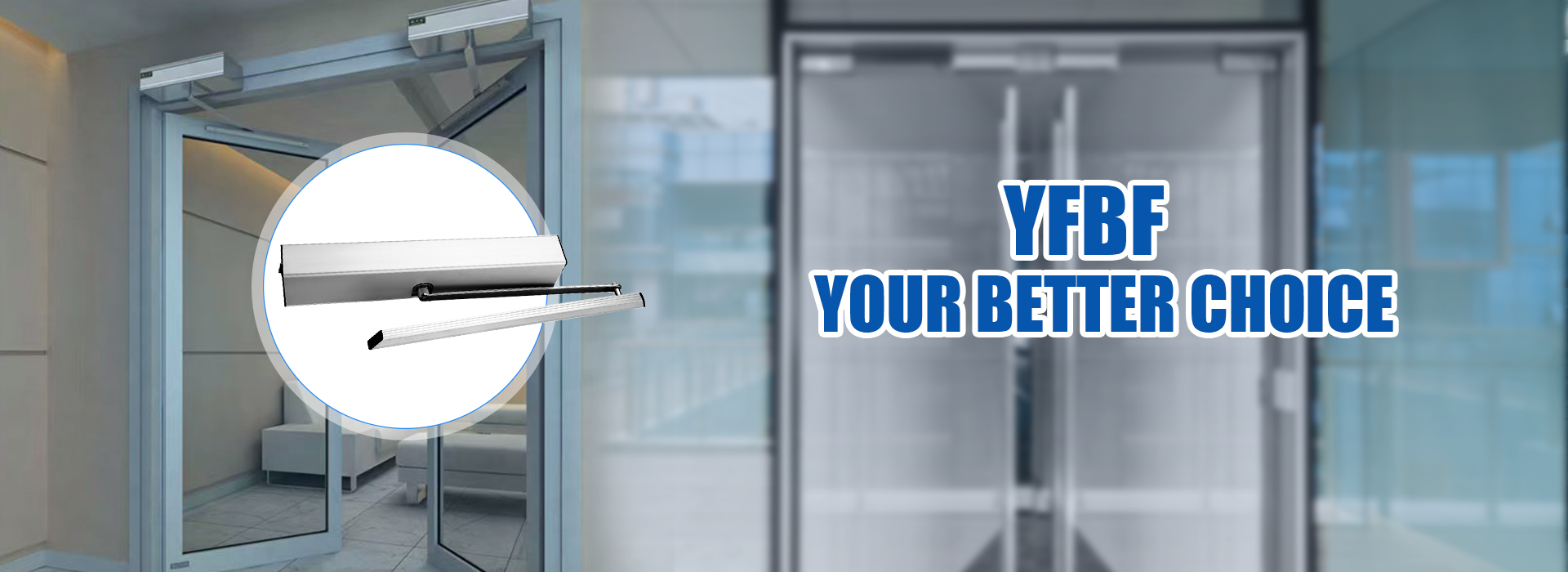
For example, a distributor handling standard commercial entrances may compare an automatic door operator supplier alongside product families such as automatic door motor options, automatic sliding door operator models, automatic swing door operator units, and automatic door accessories for installation and maintenance. These categories are the core building blocks of most commercial entrance projects.
When a supplier can cover the full drive chain, distributors can standardize ordering. That simplifies quotations, reduces SKU confusion, and supports faster project delivery.
Supplier Evaluation Table: Core Criteria for Global Distributors
Comparison Table: Supplier Evaluation Criteria for Door Operator Sourcing
| Evaluation Area | What to Verify | Why It Matters |
|---|---|---|
| Product fit | Sliding, swing, or glass-door compatibility | Prevents specification mismatch |
| Load and frequency | Door weight, cycle rating, usage intensity | Affects service life and reliability |
| Integration | Sensors, access control, and control boards | Supports commercial building systems |
| Documentation | Datasheets, wiring diagrams, installation guides | Reduces installation errors |
| After-sales support | Spare parts, troubleshooting, response time | Limits downtime for end users |
Distributors should request the same documentation package from every supplier. That creates a fair comparison and makes technical review easier for engineering teams.
Technical Checks That Should Never Be Skipped
Door compatibility is the first technical filter. The operator must match door type, opening direction, door leaf mass, and available mounting space.
Power and control compatibility come next. A serious supplier should clarify voltage range, controller logic, emergency behavior, and peripheral support, because access-control integration is now standard in many commercial sites. According to the U.S. Department of Energy, building systems that operate efficiently and reliably reduce lifecycle waste and maintenance burden; see DOE Buildings and Energy Efficiency resources.
Noise level, opening speed, and cycle durability also matter. In hospitals, offices, and retail entrances, these factors influence both user experience and long-term maintenance cost.
Specification Table: Common Questions Global Distributors Should Ask
Specification Table: Questions to Ask Before Ordering
| Question | Expected Supplier Response | Procurement Impact |
|---|---|---|
| What door types are supported? | Sliding, swing, glass door, retrofit use | Confirms target application |
| What is the duty cycle? | Clear cycle or traffic guidance | Indicates suitability for busy entrances |
| What accessories are included? | Sensor, bracket, controller, or kit details | Helps compare total landed cost |
| Are spare parts available? | Motor, belt, control board, hardware availability | Improves maintenance planning |
| Is installation documentation provided? | Manuals, drawings, and wiring diagrams | Reduces project risk |
These questions look simple, but they reveal supplier maturity quickly. If answers are vague, distributors should treat that as a warning sign.
How to Judge Compliance, Quality, and Market Readiness
Compliance evidence is a major sourcing checkpoint. Distributors should confirm whether the supplier can provide test reports, material declarations, and quality documentation relevant to the destination market.
For accessibility and fire-safety related projects, local code review is mandatory. The International Code Council publishes model code references that often shape commercial entrance requirements; see ICC Digital Codes. In the European market, distributors may also need reference alignment with CE-related technical files and applicable harmonized standards.
Quality readiness should be evaluated through traceability, incoming inspection control, and production consistency. According to industry estimates, many commercial entrance failures trace back to installation errors or poor part matching rather than the motor alone.
Supplier Support Table: What Strong Distributors Should Expect
Support Table: Service Elements That Reduce Sourcing Risk
| Support Element | Good Practice | Distributor Benefit |
|---|---|---|
| Technical pre-sales | Application guidance and model selection | Fewer wrong orders |
| Installation support | Clear manuals and wiring maps | Shorter commissioning time |
| Spare-part policy | Defined replacement parts and lead times | Lower maintenance disruption |
| Problem resolution | Fast diagnostic response | Better customer retention |
| Sample availability | Test units for project validation | Reduces field risk before bulk purchase |
Support capability matters because distributors often sell into mixed project environments. A technically strong supplier helps with both initial selection and long-tail maintenance.
Where Global Distributors Should Evaluate Suppliers
Supplier evaluation should combine factory capability, product range, and application focus. A manufacturer centered on automatic door motors, operators, and accessories is usually easier to align with engineering-led distribution.
For a focused product portfolio, distributors can review a factory website such as https://www.yfbfautomaticdoor.com/ and compare it with other industry sources that publish technical data and installation guidance. The best comparison process uses one supplier for product depth and third-party references for code awareness.
Well-known external references for standards and application context include the U.S. Access Board, ASHRAE for building systems context, and ISO for international standard frameworks. These sources do not replace product testing, but they help distributors align sourcing with broader industry expectations.
Practical Checklist for Door Operator Sourcing
A distributor-ready checklist should be short, repeatable, and tied to project data. The following items are the minimum set for commercial sourcing:
- Confirm door type, door weight, and opening frequency.
- Verify mounting space and power supply conditions.
- Check compatibility with sensors and access-control devices.
- Request datasheets, wiring diagrams, and installation manuals.
- Review spare-part availability and after-sales response time.
- Ask for quality documents and market-specific compliance evidence.
- Test sample units before placing bulk orders.
These steps work because they match real project risks. They also help global distributors create a repeatable buying process across different countries and customer types.
How Distributors Can Reduce Project Risk During Sourcing
Project risk drops when sourcing decisions are based on use case, not just price. A lower-cost operator can become expensive if it fails in a high-traffic entrance or needs frequent replacement.
Retail stores, hospitals, and office lobbies all need different performance priorities. Retail often emphasizes duty cycle and appearance, healthcare emphasizes reliability and accessible operation, and offices often emphasize access-control integration and quieter movement.
Distributors should therefore classify every order by scenario. That makes quotations more accurate and improves post-sale support because the supplier selection matches the end-use environment.
Supplier Directory: What to Look for in a Qualified Partner
A qualified partner should offer a clear product family, stable documentation, and practical support for installation and maintenance. For many distributors, that means evaluating a supplier with dedicated lines for motors, sliding operators, swing operators, and accessories.
It is also useful to favor suppliers that support both new builds and retrofit projects. That combination helps distributors serve contractors, facility managers, and glass-door retrofit specialists with one sourcing framework.
When reviewing a shortlist, compare product depth, response speed, and spare-part availability before asking about pricing. That order of evaluation protects technical fit and lowers lifecycle risk.
FAQ
What is the most important item on an automatic door operator supplier checklist?
The most important item is application fit. The operator must match the door type, door weight, traffic frequency, and installation space. If those basics are wrong, even a well-built unit can fail in the field. Technical fit should always come before price comparison.
Why do global distributors need both product data and compliance documents?
Product data confirms performance, while compliance documents help verify market readiness. Distributors often sell into different countries with different code expectations, so both are needed. Without them, project approval can slow down and installation risk increases.
How should a distributor compare two suppliers with similar prices?
Compare documentation quality, spare-part support, cycle ratings, and integration readiness. Similar prices can hide very different lifecycle costs. A supplier with better manuals, faster support, and stronger accessory availability is often the safer choice for distribution.
Are sliding and swing door operators evaluated the same way?
No, they are not. Sliding systems usually emphasize smooth travel, higher traffic tolerance, and glass-door compatibility. Swing systems often focus on arm geometry, opening force, and space constraints. Distributors should use separate criteria for each door type.
What reduces warranty claims the most in door operator sourcing?
Correct model selection reduces warranty claims the most. Clear communication about door weight, frequency, and environment prevents misuse. Good installation documentation and accessible spare parts also help, because many failures are related to setup or maintenance rather than the core unit itself.

David Chen
Post time: Nov-04-2026