
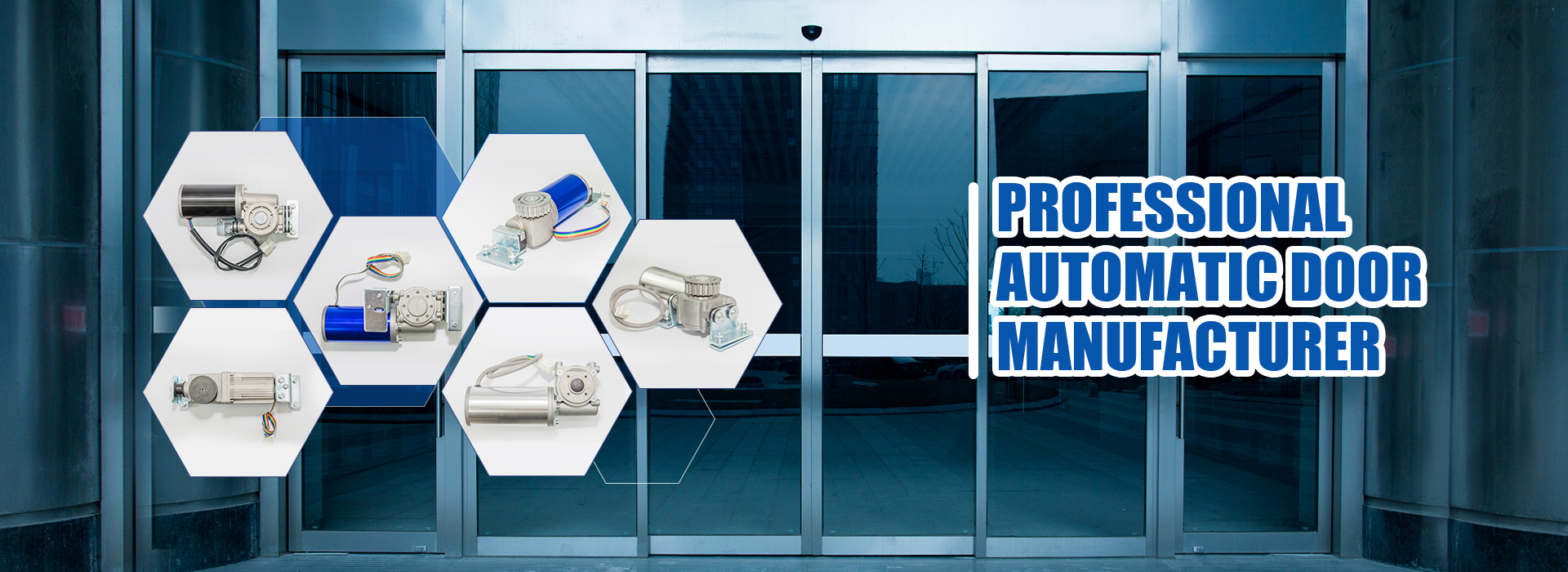
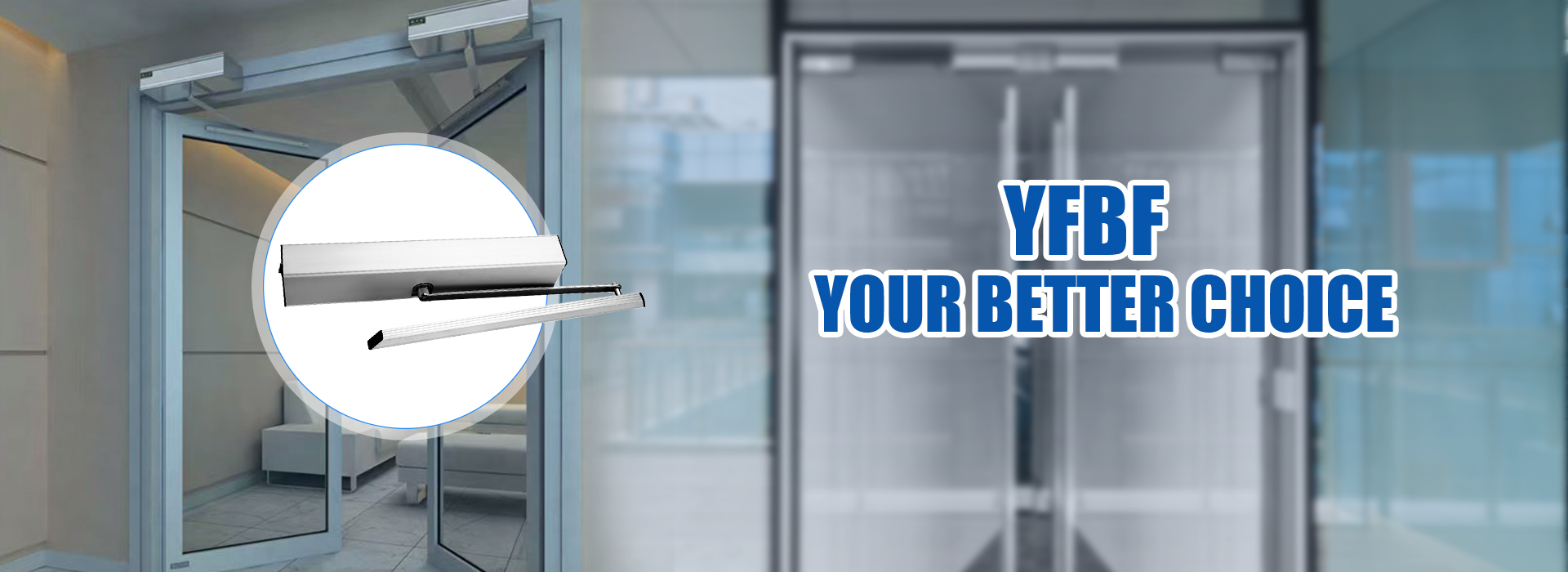

Hospitals rely on consistent access because every second matters during patient movement and daily operations. Automatic entry systems help reduce bottlenecks, support infection control, and make entrances easier to use for patients, staff, and visitors.
Outline
- Why automatic doors matter in healthcare access
- Main door types used in hospitals and clinics
- Technical selection factors for healthcare entrances
- Compliance, safety, and hygiene considerations
- Supplier directory and procurement guidance
How automatic doors improve access in hospitals
Automatic doors improve hospital access by removing the need for hand operation at critical entry points. They create a smoother path for wheelchairs, stretchers, walkers, and medical carts while reducing touchpoints in high-traffic areas.
Healthcare facilities also benefit from better traffic control because these systems open reliably under frequent use. According to the U.S. ADA Standards for Accessible Design, accessible routes must be usable by people with disabilities, which makes easy door passage a practical requirement rather than a convenience.
In daily operations, accessible doors support both patients and clinical staff. They help maintain continuous movement between lobbies, treatment rooms, isolation areas, and service corridors without forcing people to stop, pull, or hold a heavy manual door.
Why hospitals choose automatic doors for accessibility
Automatic doors for hospitals are selected because they reduce physical effort at the exact places where access matters most. This is especially important for older adults, injured patients, and people with mobility limitations.
These systems also support hygienic circulation because hands do not need to touch handles at every entry point. The CDC infection control guidance continues to emphasize reducing unnecessary contact in healthcare environments, and touchless entry fits that principle well.
For facilities teams, the main advantage is operational stability. When entrances are used hundreds or thousands of times per day, dependable motion control becomes part of clinical continuity, not only building convenience.
Common door types used in medical facilities
The best door type depends on traffic pattern, available space, and the function of each opening. Hospitals commonly use sliding systems for main entrances and swing systems for rooms, staff doors, and retrofit projects.
Automatic sliding door operator systems are often preferred at public entrances because they handle wide openings efficiently. Automatic swing door operator units are useful where the existing opening is already hinged or where corridor space is limited.
For many projects, the choice is less about appearance and more about function. The table below summarizes the main options used in healthcare entrances.
Comparison Table: Main Door Types for Healthcare Access
| Door type | Best use in hospitals | Main advantage | Typical limitation |
|---|---|---|---|
| Automatic sliding door | Main lobbies, public entrances, high-traffic corridors | Wide, smooth passage with low physical effort | Needs more wall or header space |
| Automatic swing door | Clinics, internal rooms, retrofit entries | Works with existing hinged openings | Requires clear swing clearance |
| Motorized door opener | Upgrading manual doors in facilities | Supports automation without full replacement | Must match door weight and geometry |
Key technical factors for accessible doors in hospitals
Correct selection depends on door weight, opening frequency, and installation space. Hospitals should avoid choosing by model name alone because different entrances have very different load and duty-cycle requirements.
Door hardware must also support integration with sensors, access control, and emergency functions. In practice, that means the operator should work with motion sensors, push buttons, card readers, and building control logic without creating delays or false triggers.
When comparing systems, engineering teams often evaluate the following factors:
- Door type: sliding or swing
- Opening frequency: low, medium, or high
- Door material: aluminum frame, glass door, or solid panel
- Space constraints: header depth, side clearance, and floor layout
- Integration needs: sensors, access control, and fail-safe functions
- Maintenance access: spare parts, adjustment range, and service time
Specification Table: Selection Factors for Medical Door Systems
Specification Table: Selection Factors for Medical Door Systems
| Factor | Why it matters | What to verify |
|---|---|---|
| Door weight | Determines drive capacity and long-term stability | Manufacturer load rating |
| Traffic frequency | Affects motor wear and cycle life | Expected daily openings |
| Door width | Impacts accessibility and equipment movement | Clear opening dimension |
| Integration | Supports security and automated triggering | Sensor and access-control compatibility |
| Maintenance access | Reduces downtime during service | Availability of accessories and replacement parts |
How hospital door automation supports hygiene and safety
Door automation supports hygiene by reducing the number of touchpoints in busy areas. This matters in emergency departments, outpatient clinics, imaging suites, and isolation-adjacent circulation routes.
Safety also improves when doors open predictably and with controlled force. The NFPA codes and standards framework is widely used in healthcare construction, and facility teams typically align door operations with life-safety and egress planning.
For medical facilities, the goal is not maximum speed. The better approach is controlled movement that protects users, preserves access, and avoids conflicts with emergency routes or door swing clearance.
Where automatic door components fit in hospital projects
Automatic door components matter because a complete system depends on more than the operator alone. Tracks, sensors, brackets, controls, and accessories all affect reliability in daily use.
In retrofit work, replacing only the drive unit may be enough if the existing door structure is sound. In newer installations, a complete automatic glass door solution often gives better control over performance, serviceability, and integration.
For procurement teams, standardized model families simplify matching. Beifan offers product lines such as automatic door motor solutions, automatic sliding door operator options, and automatic swing door operator systems that fit common commercial and healthcare entry requirements.
Comparison Table: New Installation vs Retrofit in Healthcare
Comparison Table: New Installation vs Retrofit in Healthcare
| Project type | Best for | Main benefit | Main risk |
|---|---|---|---|
| New installation | New hospitals, major renovations | Full control over layout and integration | Higher planning complexity |
| Retrofit upgrade | Existing clinics, older entrances | Lower disruption and faster deployment | Compatibility with old frames and hardware |
How to evaluate suppliers for hospital access projects
Supplier selection should focus on engineering support, product consistency, and spare-part availability. In healthcare projects, the ability to replace accessories quickly can matter as much as the original purchase price.
Reliable suppliers usually provide clear model boundaries, installation guidance, and compatibility information. They also document whether the system is intended for sliding doors, swing doors, or specific glass door automation scenarios.
A practical procurement checklist includes the following items:
- Confirm the door type and clear opening size.
- Verify duty cycle and expected daily use.
- Check compatibility with access control and sensors.
- Review maintenance access and spare-part availability.
- Request installation and commissioning guidance.
For broader product browsing, hospital buyers may also review automatic door accessories and motorized door opener solutions alongside the main operator categories.
How hospitals can improve long-term performance
Long-term performance depends on correct commissioning, routine inspection, and timely replacement of wear parts. Even strong hardware will underperform if sensors are misaligned or the door is overloaded.
Facilities teams should schedule periodic checks for closing force, opening speed, obstruction response, and hardware wear. According to the ASHRAE standards and guidelines, building systems in healthcare environments should support healthy indoor operation, which reinforces the need for dependable access control and circulation.
When maintenance is planned well, accessible doors remain dependable during peak patient flow. That reduces downtime, protects user experience, and supports the operational rhythm of the facility.
Supplier Directory
Hospitals and contractors looking for standard automatic door hardware can evaluate the main product categories at the company homepage. For project planning, the most relevant categories are automatic door motor, automatic sliding door operator, automatic swing door operator, automatic door accessories, and automatic door drive kits.
For comparison, many well-known industry suppliers also publish detailed installation data, accessory compatibility, and service documents. Buyers should compare model ratings, support resources, and local service coverage before finalizing procurement.
Frequently Asked Questions
What makes automatic doors important in hospitals? Automatic doors reduce physical effort, improve accessibility, and support steady movement in busy medical spaces. They are especially useful for wheelchair users, stretcher transport, and staff carrying equipment. They also reduce touchpoints, which is helpful in hygiene-sensitive environments.
Are sliding doors or swing doors better for medical facilities? Sliding doors are usually better for main entrances and high-traffic areas because they allow wide, smooth passage. Swing doors work well in retrofit projects, smaller rooms, and spaces where the existing opening already uses a hinged design. The best choice depends on layout and usage.
How do automatic doors support accessibility compliance? Accessible doors help meet the practical intent of disability-access standards by reducing force and improving passage for people with mobility limitations. Compliance still depends on the full opening design, clear width, activation method, and egress requirements, so the system must be planned as part of the building route.
Can automatic doors be used in retrofit hospital projects? Yes, many healthcare facilities upgrade existing manual doors with motorized openers or complete operator systems. Retrofit projects are common in clinics and older buildings, but compatibility with the existing frame, door weight, and available header space must be checked before installation.
What should facility managers check during maintenance? Facility managers should verify sensor alignment, closing force, opening speed, obstruction response, and wear on tracks or hinges. They should also confirm that replacement accessories are available. Regular inspection helps prevent downtime and keeps access dependable for patients, staff, and visitors.

David Chen
Post time: Oct-28-2026