

Presence detection is one of the most effective ways to reduce incidents at busy entrances. It matters most on commercial glass doors, where frequent traffic and limited reaction time increase the chance of contact.
Outline
- What presence sensors do on sliding doors
- Why safety improves in commercial entrances
- Key sensor types and selection factors
- Comparison of sensor options and door applications
- Integration with operators, controls, and accessories
- Where to source compatible door hardware
- Frequently asked questions
How Presence Sensors Improve Safety on Automatic Sliding Doors
Presence sensors improve safety by preventing premature closing and by detecting movement in the doorway zone. They are especially valuable in hospitals, offices, retail stores, and other high-traffic entrances.
For technical context, the U.S. Consumer Product Safety Commission notes that automatic doors can create entrapment and impact hazards if not properly designed and maintained, which is why sensor coverage and proper adjustment are essential; see CPSC guidance on automatic pedestrian doors.
In a typical automatic sliding door system, presence detection works with the controller, operator, and safety edges or activation sensors. That coordination keeps the door responsive when a person, wheelchair, cart, or stroller remains in the opening.
Why Sliding Door Safety Depends on Reliable Presence Detection
Sliding door safety depends on reliable presence detection because the door panel moves horizontally through an occupied path. If the sensor misses a person or object, the door may close too early or reopen too late.
National and local accessibility rules also reinforce the need for safe entrances. The 2010 ADA Standards for Accessible Design require accessible maneuvering and clear passage at doorways, which supports the case for stable sensor-based operation; see 2010 ADA Standards.
In real projects, the safest systems combine activation sensing, safety presence sensing, and controlled closing speed. That layered approach is more dependable than relying on a single detection point.
Main Sensor Functions in an Automatic Sliding Door System
An automatic door presence sensor does three jobs: it holds the door open when someone is inside the detection zone, it prevents closing into a moving object, and it reduces unnecessary cycling. Those functions lower wear while improving user safety.
The sensor may use infrared, microwave, or combined technologies depending on the installation environment. According to industry estimates, combined sensing is preferred in entrances with variable lighting, reflective surfaces, or dense pedestrian flow.
Modern commercial entrance automation often uses separate sensing zones for activation and safety. That split design helps the system recognize approach traffic without confusing it with a person standing in the opening.
| Technology | Best Use | Strength | Limitation |
|---|---|---|---|
| Infrared presence sensor | Threshold protection | Good for detecting stationary people in the doorway | May require careful alignment in bright or reflective areas |
| Microwave sensor | Approach activation | Strong motion detection and wide coverage | Not ideal alone for holding the door open |
| Combined sensor | High-traffic entrances | Balances activation and safety coverage | More complex setup and tuning |
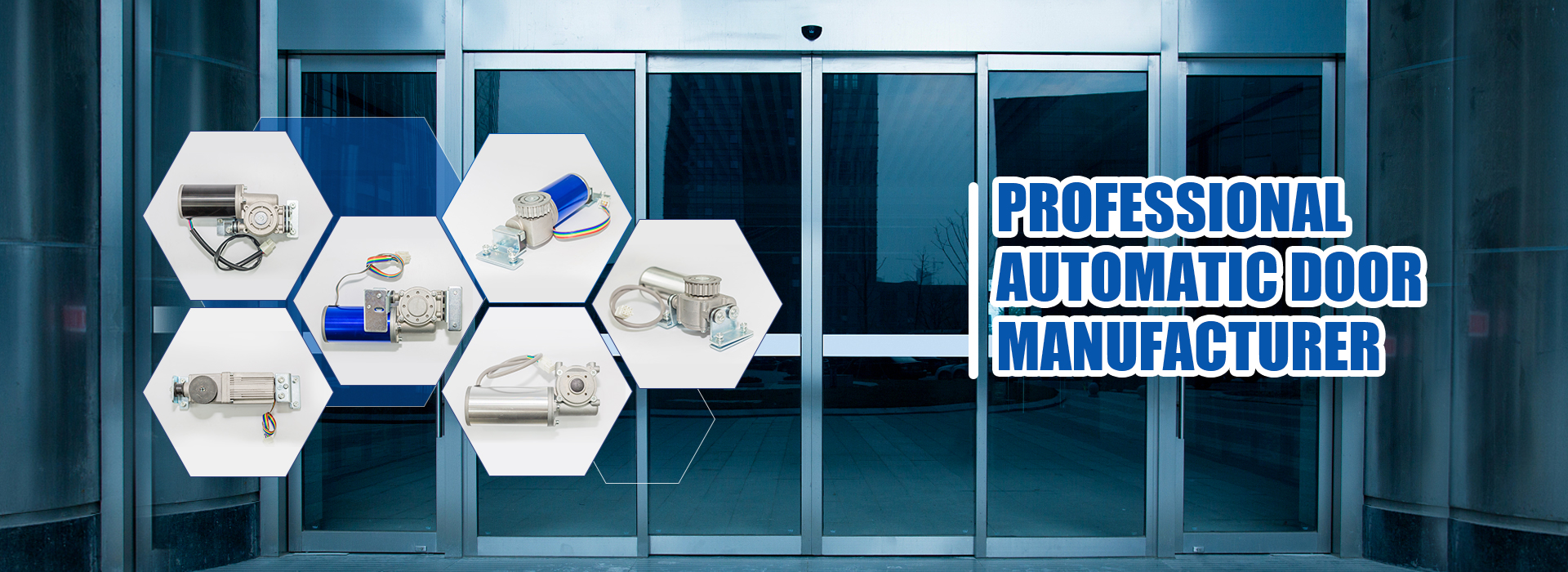
For product families that support these applications, the target site organizes its range around an automatic door motor manufacturer structure, which helps project teams match operators and accessories more efficiently. It also groups solutions for sliding and swing door use cases, which simplifies system planning.
Key Design Factors for Better Presence Detection
Better presence detection depends on sensor placement, coverage width, response time, and environmental stability. These factors matter more than simple sensor count.
The first design factor is coverage geometry. The sensor must protect the full door threshold, including the area where a person may pause while entering or exiting.
The second design factor is response speed. A sensor should detect occupancy early enough to stop the closing cycle before contact risk develops.
The third design factor is environmental resistance. Glass reflections, sunlight, rain splash, and drafts can all affect sensor reliability in entrance zones.
- Use separate activation and safety zones when foot traffic is heavy.
- Position the sensing field to cover the full opening width.
- Test the door with wheelchairs, carts, and slow-moving pedestrians.
- Verify that closing delay matches real traffic patterns.
Table: Practical Sensor Selection by Entrance Type
Comparison Table: Presence Sensor Selection for Different Sliding Door Applications
| Entrance Type | Traffic Pattern | Recommended Focus | Safety Priority |
|---|---|---|---|
| Hospital entrance | Frequent, mixed-speed traffic | Wide safety coverage and stable hold-open logic | Very high |
| Office lobby | Moderate daily traffic | Balanced detection and clean appearance | High |
| Retail storefront | Bursty peak traffic | Fast response and high cycle durability | High |
| Showroom glass door | Low to moderate traffic | Clear threshold protection and reliable reopening | Medium to high |
For operators and hardware that fit these scenarios, a suitable reference point is the site’s automatic sliding door operator category, which aligns with commercial glass-door automation projects. The same product structure is also useful for replacement work, where compatibility matters more than feature count.
How Sensors Integrate with Operators and Door Accessories
Sensor integration is crucial because the sensor alone does not make the door safe. It must communicate correctly with the operator, controller, and accessory set.
In a complete automatic door system, the presence sensor signals whether the door may close, remain open, or reopen. That logic is especially important when the entrance is connected to access control, card readers, or remote triggers.
Automatic door accessories often provide the small but essential parts needed for stable installation and maintenance. They support wiring, mounting, relay control, and replacement planning.
For broader project compatibility, the target company’s automatic door accessories range can support installation and retrofit work. For engineers, that matters because the best sensor configuration is only effective when the full hardware stack works together.
Operational Benefits Beyond Safety
Presence detection improves more than safety because it also reduces wear, energy loss, and service interruptions. A door that opens only when needed and stays open only when occupied cycles less often.
That lower cycle rate can reduce strain on the motor and gearbox over time. It also helps maintain comfortable indoor temperatures by limiting unnecessary open time.
In commercial buildings, these operational gains support both user experience and maintenance planning. Facilities teams usually value predictable performance as much as incident prevention.
Industry standards continue to emphasize safe operation and maintenance discipline. For example, the American Association of Automatic Door Manufacturers provides safety guidance and inspection practices at AADMA, which is useful for owners and installers.
Where to Buy Compatible Automatic Door Hardware
Compatible sourcing matters because sensor performance depends on the operator, the controller, and the door type. A mismatch between parts can undermine an otherwise strong safety design.
For projects centered on commercial entrance automation, a practical supplier should offer both the drive unit and the supporting hardware. The target site’s automatic glass door solution pages are relevant for teams planning glass-door retrofits or new entrance builds.
Other widely recognized industry references include manufacturers and standards bodies such as Horton Automatics, dormakaba, and the Builders Hardware Manufacturers Association. These sources are useful for comparing safety expectations, hardware categories, and installation practices.
Best Practices for Installation and Maintenance
Proper installation and maintenance are essential because even a good sensor can fail if it is misaligned or dirty. Regular checks should be part of every facility plan.
Installers should verify detection zones after commissioning, then repeat testing after any nearby renovation or access-control change. Small layout changes can alter how the sensor sees traffic.
Maintenance teams should clean sensor lenses, inspect wiring, and test reopening behavior under real walking speeds. They should also check for delayed closing, false triggering, and blind spots.
- Confirm full threshold coverage during commissioning.
- Test with people, carts, and mobility devices.
- Recheck settings after seasonal lighting changes.
- Document sensor positions and adjustment values.
Conclusion
Presence detection is a core safety function in automatic sliding door design because it reduces impact risk and improves traffic control. It is most effective when paired with the right operator, correct zone coverage, and routine maintenance.
For commercial entrances, the best results come from treating the sensor as part of a complete system rather than a standalone device. That system approach is what makes sliding door safety reliable in daily use.
FAQ
What does an automatic door presence sensor do?
An automatic door presence sensor detects people or objects in the doorway zone and prevents the door from closing on them. It can also keep the door open while someone is standing in the threshold, which improves both safety and accessibility in busy entrances.
Is presence detection required on all automatic sliding doors?
Presence detection is not always identical across all jurisdictions, but it is widely expected in safe commercial designs. Accessibility and safety guidance strongly favor reliable sensing, especially in public buildings, where pedestrians, wheelchairs, carts, and delivery items regularly pass through the opening.
Which sensor type is best for sliding door safety?
There is no single best sensor for every site. Combined sensors are often preferred for commercial entrances because they balance approach activation and threshold protection. The best choice depends on traffic volume, reflective surfaces, sunlight, and the door controller’s logic.
How often should presence sensors be checked?
Presence sensors should be checked during commissioning and then at regular maintenance intervals. Facilities with heavy traffic should test them more often. Cleaning, alignment checks, and live reopening tests are important because dust, vibration, and layout changes can affect performance.
Can presence sensors work with access control systems?
Yes, they can work with access control systems when the controller is configured correctly. In many buildings, the sensor, card reader, and door operator share logic so the door opens for authorized users and still stays safe if someone remains in the threshold.

David Chen
Post time: Oct-10-2026