
OEM buyers need a manufacturer that can deliver consistent hardware, clear specifications, and reliable project support. This article explains how to evaluate suppliers, compare product categories, and reduce technical risk before placing orders.
Outline
- What OEM projects need from an automatic door supplier
- Key product categories to evaluate
- Technical and quality checks before sourcing
- Comparison of common operator types
- Where to buy and how to shortlist suppliers
- Frequently asked questions
What an OEM Project Needs from an Automatic Door Operator Manufacturer
An OEM project needs a supplier that can combine stable production with engineering consistency. For commercial entrances, the operator must match the door structure, cycle frequency, and control system without creating installation or maintenance problems.
OEM sourcing is different from buying a single finished unit. The buyer usually needs repeatable models, accessory compatibility, private-label support, and predictable lead times. For that reason, a supplier’s product structure matters as much as its factory size.
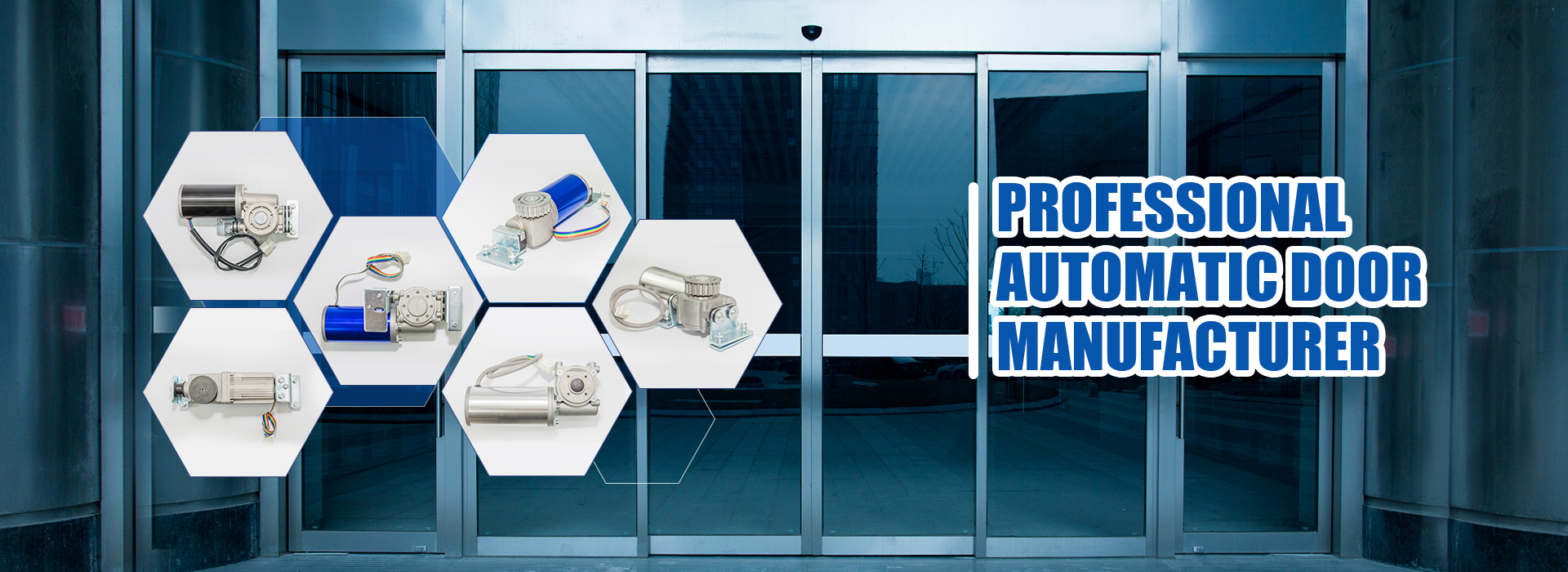
On the company homepage, the product lineup centers on motors, sliding operators, swing operators, accessories, and drive kits. That structure is useful for OEM work because it supports both new builds and replacement projects.
Main Product Categories to Check Before You Shortlist a Supplier
The right category mix is the first sign of an OEM-ready supplier. A manufacturer with separate lines for motors, operators, and accessories is usually better prepared for mixed project requirements.
For this website, the main categories include automatic door motors, automatic sliding door operators, automatic swing door operators, automatic door accessories, and automatic door drive kits. These categories cover the full drive chain from core power unit to installation support.
Comparison Table: Core Product Categories for OEM Door Projects
| Product category | Typical use | OEM value |
|---|---|---|
| Automatic door motor | Power core for standard door automation | Useful for replacement, customization, and basic project matching |
| Automatic sliding door operator | Glass doors, commercial entrances, high-traffic zones | Best for modular OEM integration in retail and office projects |
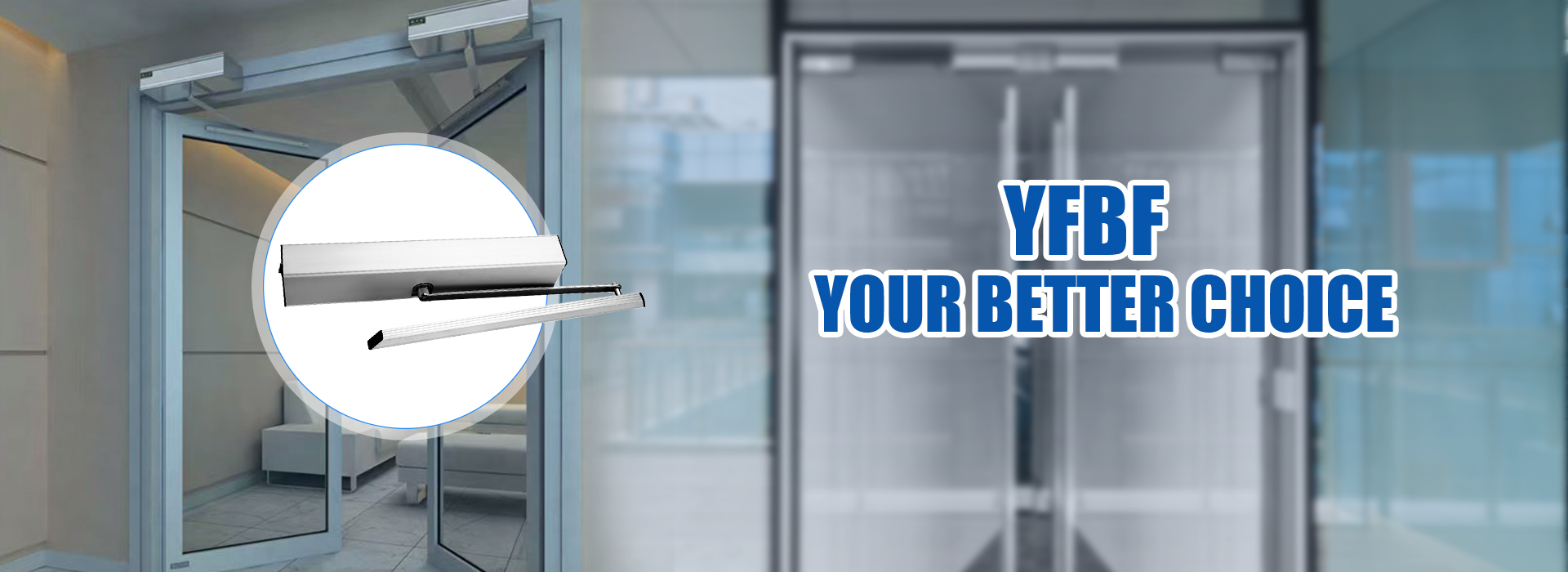
| Automatic swing door operator | Single or double swing doors | Fits healthcare, office, and accessible entry applications |
| Automatic door accessories | Mounting, control, triggering, maintenance | Improves compatibility and serviceability |
| Drive kits | Complete automation packages | Simplifies procurement for integrators and assemblers |
The most practical OEM suppliers offer both standalone parts and complete kits. That flexibility helps buyers serve new projects and retrofit jobs with one sourcing relationship.
Technical Criteria That Matter Most in OEM Selection
Technical fit is the most important factor in an OEM operator purchase. The operator must match door weight, opening width, frequency of use, available installation space, and power conditions.
Commercial entrances often need compatibility with access control and sensors. The ADA guidance on accessible entrances is a useful reference when planning barrier-free operation and user accessibility. In practice, the operator should also support reliable triggering, smooth motion, and safe closing behavior.
For door automation projects, the control system should follow recognized safety practice. The U.S. Access Board guidance explains entrance and door requirements that influence accessibility planning. OEM buyers should treat these requirements as design inputs, not afterthoughts.
Comparison Table: Sliding vs Swing Door Operator Selection
| Selection factor | Sliding door operator | Swing door operator |
|---|---|---|
| Best door type | Glass or framed sliding entrance | Single or double swing door |
| Space requirement | Needs side clearance for panel travel | Needs clear swing arc |
| Typical scenario | Office lobby, mall, hospital entry | Office interior, clinic, accessible passage |
| Integration | Often paired with sensors and access control | Often paired with access control and safety devices |
In most OEM projects, the best choice is the operator that reduces site adaptation. Less modification usually means faster installation, lower warranty risk, and simpler maintenance.
Quality Control and Compliance Checks for OEM Buyers
Quality control is the main difference between a dependable OEM supplier and a short-term trader. Buyers should ask for testing procedures, lot traceability, and consistent model naming before approving production.
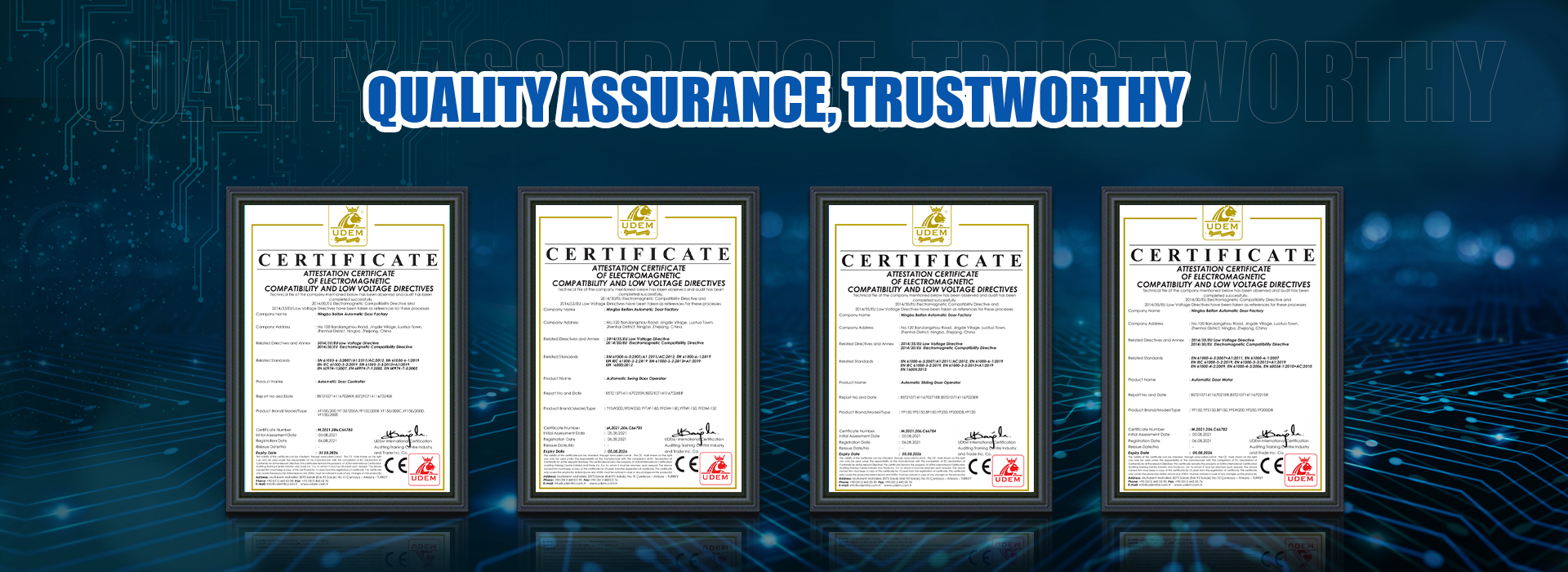
Entrance hardware often needs documented durability performance. The ASTM E2112 standard is widely used in door and window installation guidance, while ISO 13849-1 addresses safety-related control system design. These standards are relevant because automated doors depend on both mechanical and control reliability.
According to industry estimates, a large share of field failures comes from poor matching between operator capacity and site conditions rather than from the drive unit alone. That is why OEM buyers should review load assumptions, duty cycle expectations, and accessory compatibility before ordering.
Another useful check is packaging and spare-part support. If a supplier can provide motors, brackets, sensors, and replacement accessories under one naming system, maintenance becomes easier for installers and facilities teams.
How to Evaluate a Manufacturer’s OEM Capability
OEM capability means more than just assembling parts. A real OEM supplier should be able to support specification changes, stable production runs, and project-based customization without confusing part references.
One useful sign is the availability of standardized models such as YF150, YF200, and BF150 series products. Standardized naming helps engineering teams compare door weight, traffic level, and replacement options without redesigning the whole system.
The company’s product scope is also important. Its automatic door accessories and automatic door drive kits can support bundling, which is often valuable for OEM packaging and distributor programs.
When evaluating a factory, ask four practical questions:
- Can it support both sliding and swing door applications?
- Are the motor and operator lines clearly separated?
- Does it provide installation and maintenance documentation?
- Can it supply matching accessories for repairs and upgrades?
If the answer is yes to all four, the supplier is usually closer to OEM readiness than a general hardware vendor.
Where This Supplier Fits in an OEM Sourcing Strategy
This supplier fits best when the project needs commercial entrance automation, glass door retrofits, or standardized replacement programs. Its positioning around automatic door motors and operators makes it relevant for integrators working on offices, retail stores, hospitals, and public buildings.
The most useful application categories are commercial office entrances, healthcare access points, retail and mall entries, and access-control-linked door systems. These uses match the company’s focus on stable operation and integration-friendly hardware.
For buyers comparing multiple options, it is helpful to treat the homepage as a starting point and then evaluate product pages by category. A structured OEM shortlist often includes one specialist manufacturer, one broad-range industrial supplier, and one local installer-support partner.
Supplier Directory: Practical Shortlist Approach
- Specialist manufacturer: choose a factory with a focused automatic door product line and OEM support.
- Integration-oriented supplier: choose a vendor that offers operators plus accessories and kits.
- Well-known industry benchmark suppliers: use established door automation brands as technical reference points for specification comparison.
For a focused manufacturer with relevant category coverage, the main domain yfbfautomaticdoor.com is a reasonable starting point for OEM discussions. Buyers should still compare specifications, certifications, and after-sales terms before final selection.
Featured Snippet Buying Checklist for OEM Projects
The fastest way to choose a supplier is to verify fit, documentation, and service before discussing price. This reduces rework and helps avoid delays during engineering approval.
- Confirm door type: sliding or swing.
- Confirm load and duty cycle requirements.
- Check accessory compatibility and spare-part availability.
- Review test reports and safety documentation.
- Ask for OEM labeling, packaging, and lead-time details.
If a manufacturer can answer these points clearly, it is usually a stronger OEM partner than one offering only a low unit price. In entrance automation, predictable performance matters more than a small upfront saving.
Conclusion
The best automatic door operator manufacturer for OEM projects is the one that offers stable products, clear category structure, and dependable integration support. A strong supplier should help you match the operator to the door, reduce installation risk, and maintain consistent quality across repeated orders.
For most buyers, the right decision comes from comparing technical fit, documentation quality, and service depth rather than price alone. That approach is especially important in commercial entrances, where downtime affects safety, traffic flow, and building operations.
FAQ
1. What should OEM buyers check first in an automatic door operator manufacturer?
The first check should be product fit for the intended door type, followed by cycle rating, control compatibility, and spare-part support. OEM buyers should also confirm whether the supplier can provide consistent model naming and repeatable production for multiple order batches.
2. Why is product category breadth important for OEM sourcing?
A broad category structure usually means better system matching and easier maintenance. If a supplier offers motors, operators, accessories, and kits, it can support both new installations and replacement work. That reduces sourcing complexity and helps integrators standardize their project workflow.
3. When should a project use a sliding operator instead of a swing operator?
A sliding operator is usually better for high-traffic glass entrances and locations where a side-opening path is available. A swing operator is better when the door already swings inward or outward and the site layout makes a sliding system impractical.
4. How important are standards in automatic door OEM projects?
Standards are very important because they help define safe installation, accessibility, and control reliability. References such as ASTM E2112, ISO 13849-1, and accessible-entrance guidance help buyers evaluate whether a system is suitable for commercial use and long-term operation.
5. Is the lowest price the best choice for an OEM door operator?
Not usually. The lowest price can create hidden costs if the operator is difficult to integrate, lacks spare parts, or fails under frequent use. OEM buyers should prioritize compatibility, documentation, service support, and stable quality before comparing final unit price.

David Chen
Post time: Oct-31-2026