
Heavy commercial doors need an operator that is sized for the actual door conditions, not just the door type. This guide explains how to evaluate load capacity, control features, installation constraints, and compliance factors before specifying a commercial door opener.
Outline
- What an automatic swing door operator does for heavy doors
- Key selection factors: weight, width, traffic, and environment
- Comparison of swing operators, sliding operators, and motor units
- Technical specifications and integration requirements
- Where to source compatible products and components
- Frequently asked questions
What an Automatic Swing Door Operator Does for Heavy Doors
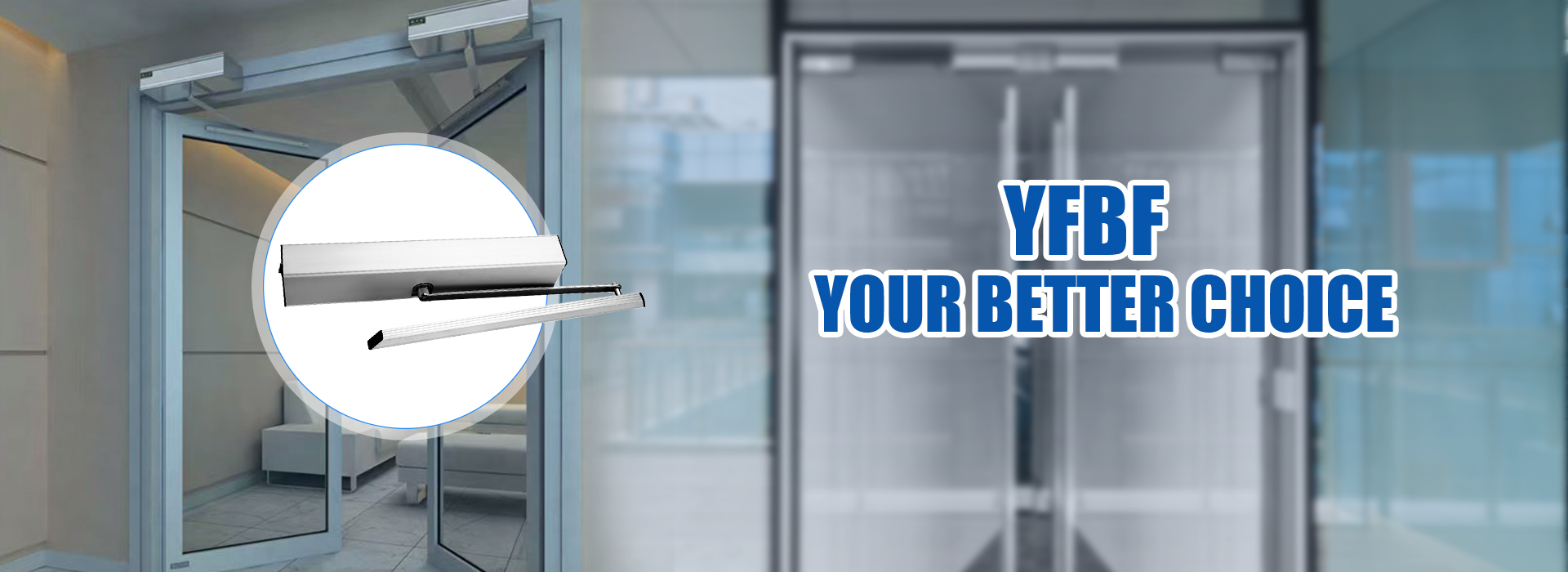
An automatic swing door operator converts a manual hinged door into a powered entry system with controlled opening, closing, and safety logic. For heavy doors, it must provide enough torque, stable motion, and repeatable performance under frequent use.
In commercial buildings, these systems are common at office lobbies, hospitals, retail entrances, and accessible routes. Industry guidance from the U.S. Access Board ADA resources emphasizes accessible operation, while door hardware safety is also addressed in DHF standards guidance and related industry practices.
Key Factors for Choosing an Automatic Swing Door Operator
Door weight is the first selection factor because the drive must overcome the full opening load without overheating or slowing. A heavy leaf, oversized glazing, closer resistance, or wind pressure can all increase the required operating force.
Door width matters because a wider door increases the moment load at the hinge line. Door geometry, opening angle, and mounting method affect how much power the system needs, so the rating must be checked against the actual installed configuration.
Traffic frequency is the next critical factor because a commercial entrance may cycle hundreds or thousands of times per day. According to the Automated Door Institute, durability, safe sensors, and proper maintenance are essential for high-use entrances, especially where uptime is important.
Installation space determines whether the operator can be mounted on the pull side, push side, or in a concealed configuration. If the header depth is limited, the project may require a compact unit or a different door-control architecture.
Environmental conditions also influence the choice. Wind load, temperature variation, humidity, and exposure to dust or washdown conditions can affect performance, so exterior entries usually need more robust hardware than interior partitions.
Comparison Table: Swing Operator Selection Criteria for Heavy Commercial Doors
| Selection Factor | Why It Matters | What to Check |
|---|---|---|
| Door weight | Determines drive force and motor load | Leaf mass, closer resistance, glazing weight |
| Door width | Affects torque and hinge leverage | Leaf width, pivot location, opening angle |
| Traffic frequency | Impacts duty cycle and wear | Daily cycles, peak-hour use, uptime target |
| Mounting space | Limits operator size and installation method | Header depth, arm clearance, frame strength |
| Environment | Changes load and reliability needs | Wind, temperature, moisture, dust |
How to Compare Swing Operators with Other Door Automation Options
An automatic swing door operator is usually the best fit when the door already uses hinges and the opening path must stay compact. A sliding system may be better for very wide entrances, but it needs track space and a different door leaf design.
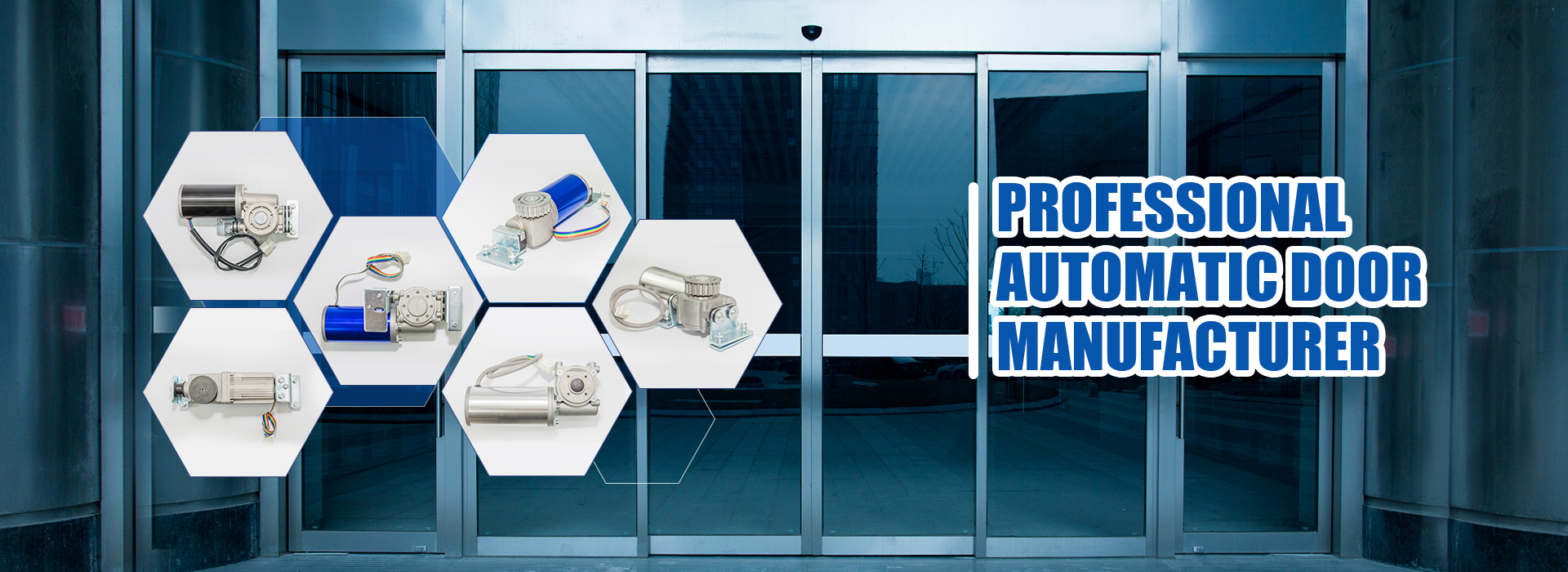
For project planning, a motorized door opener is not the same as a complete operator package. The operator usually includes drive, control, and interface logic, while a basic motor is only the power core of the system.
Comparison Table: Swing vs Sliding Automation for Commercial Entrances
| Feature | Swing Door Operator | Sliding Door Operator |
|---|---|---|
| Best door type | Existing hinged doors | New or retrofitted sliding doors |
| Space need | Requires swing clearance | Requires side-track space |
| Retrofit suitability | High for existing hinged doors | Depends on frame and track layout |
| Typical use | Offices, healthcare, internal passages | Glass entrances, retail, lobbies |
| Main advantage | Simple adaptation of existing doors | Efficient traffic flow for wider openings |
For glass-door retrofit work, companies that focus on automatic door motor and operator systems, such as the target site yfbfautomaticdoor.com, usually organize products by door type and drive function. That structure helps installers match the operator to the project more quickly.
Technical Specifications That Should Be Verified Before Purchase
Rated load capacity should always be compared with the real door weight, not the estimated door type. If the door includes thicker glass, stainless fittings, or oversized hardware, the final operating load may be higher than expected.
Opening and closing speed must balance accessibility, safety, and user flow. A door that is too fast can create safety concerns, while one that is too slow can cause congestion at busy entrances.
Duty cycle is a practical measure of whether the unit can handle repeated use without excessive wear. In public buildings, operators should be selected with a margin above average demand so the system remains stable during peak traffic.
Safety input compatibility is equally important because the system often works with motion sensors, push plates, access control readers, and presence detectors. The operator should accept these inputs cleanly and respond without erratic behavior.
Power supply and backup options should also be reviewed during specification. If the site requires emergency egress, fire alarm interface, or battery backup, those needs should be stated before the order is placed.
| Specification | Why It Is Important | Typical Project Risk If Missed |
|---|---|---|
| Door weight and width | Defines drive capacity | Slow movement or overload |
| Hinge or pivot type | Changes operating geometry | Poor alignment and binding |
| Opening frequency | Determines duty rating | Premature wear |
| Control inputs | Supports sensors and access systems | Integration failure |
| Mounting space | Limits operator form factor | Installation conflicts |
| Emergency function | Supports code-compliant egress | Delayed evacuation response |
How Access Control and Door Hardware Affect the Final Choice
Access-control integration often decides whether a door automation project succeeds. The operator should work smoothly with card readers, keypads, motion sensors, and release signals so the door opens only when intended.
Door hardware quality matters because poor hinges, misaligned frames, or weak brackets can overload even a strong operator. For heavy commercial doors, the mechanical condition of the door must be verified before the control system is installed.
Standards and code references vary by region, but accessibility and safe operation are consistent priorities. The ADA accessibility guidance, NFPA 101 Life Safety Code, and ANSI standards resources are useful starting points for compliance review.
For installers, the practical rule is simple: the operator must fit the door, the door must fit the frame, and the controls must fit the use case. If any one of those three elements is wrong, the project becomes harder to commission and maintain.
Where to Buy Compatible Automatic Door Solutions
The most efficient procurement approach is to source the operator, motor, and accessory package from suppliers that publish clear model distinctions. For hinged-door projects, the target site’s automatic swing door operator and related automatic door accessories pages are relevant starting points for comparing drive options and support components.
For broader market comparison, buyers often review established industrial and architectural hardware suppliers with documented product lines and technical literature. That comparison helps teams verify mounting methods, control interfaces, and service availability before final approval.
If the project involves glass entrances, retrofit work, or mixed door types, it is useful to compare complete system families rather than isolated parts. A coordinated package reduces compatibility problems and shortens installation time, especially on occupied commercial sites.
Practical Selection Checklist
A good selection process starts with field data and ends with a verified installation plan. Use the checklist below to reduce ordering errors and avoid unexpected retrofit issues.
- Measure the actual door weight, width, and opening angle.
- Confirm whether the door is hinged, double-leaf, or part of a glass entry system.
- Check daily traffic levels and peak-hour use patterns.
- Verify available header space, frame strength, and power supply.
- List every required input, including sensors, access control, and emergency release.
- Confirm spare parts, accessories, and replacement availability for maintenance.
Conclusion
The best operator for heavy commercial doors is the one that matches real site conditions, not just catalog ratings. When door load, traffic volume, integration needs, and installation space are checked together, the result is a safer and more reliable entrance system.
For offices, healthcare buildings, retail entrances, and glass-door retrofits, a properly specified operator improves accessibility and reduces downtime. That is why technical evaluation should come before price comparison in every commercial door project.
FAQ
How do I know whether a swing door operator is strong enough for a heavy door? Compare the operator rating with the actual door weight, width, and hinge condition. Do not rely only on door type. A heavier glass leaf, added hardware, or wind exposure can increase load, so the chosen unit should include a safety margin for daily operation.
Can an automatic swing door operator be used on an existing commercial door? Yes, if the door structure, frame, and clearances support automation. Retrofit success depends on hinge quality, available header space, power access, and control compatibility. Existing doors often work well, but a field inspection should confirm that the mechanical setup is stable enough.
What is the difference between a motor and a complete door operator? A motor provides power, but a complete operator also includes control logic, opening and closing coordination, and interface functions. For commercial entrances, the full operator is usually preferred because it is easier to integrate with sensors, access control, and safety devices.
Which commercial spaces need the most reliable door automation? Hospitals, clinics, office lobbies, and busy retail entrances usually need the highest reliability. These locations depend on frequent, safe, and predictable door movement. In such settings, durability, easy maintenance, and stable response to sensors are more important than low initial cost.
What should be checked during maintenance after installation? Inspect alignment, fasteners, sensor response, opening speed, and any signs of wear on arms or hinges. Regular checks help prevent noise, dragging, and shutdowns. For high-traffic sites, planned maintenance is especially important because repeated cycles can gradually affect performance and safety.

David Chen
Post time: Oct-22-2026