
Quick Answer: A 60W door motor is usually better for lighter commercial doors with moderate traffic, while a 100W door motor is better for heavier doors or higher-cycle entrances. The right automatic door motor depends on door weight, door type, opening frequency, and site conditions.Commercial door load is the key factor in choosing between 60W and 100W units. A correct match improves reliability, reduces wear, and helps the system meet daily traffic demand.
Outline
- What door load means in automatic door selection
- When a 60W motor is enough
- When a 100W motor is the safer choice
- Comparison of power, load, and application fit
- Where to buy compatible products and parts
- Common questions about selection and installation
How Door Load Affects Automatic Door Motor Selection
Door load defines how much resistance the drive system must overcome during opening and closing. It includes door mass, hinge or track friction, sealing pressure, hardware quality, and usage frequency.
For commercial entrances, the load is not only a weight issue. A narrow but stiff door can require more torque than a wider door with smooth hardware, so engineers should evaluate the full operating condition.
According to the U.S. Department of Energy, door performance depends on both mechanical and envelope factors, which is why site conditions matter as much as nominal size. In automation projects, that principle applies directly to motor selection.
For accessibility-focused entrances, design goals also matter. The ADA Standards for Accessible Design emphasize usable, reliable entry systems, especially where frequent public access is expected.
When a 60W Door Motor Is the Better Fit
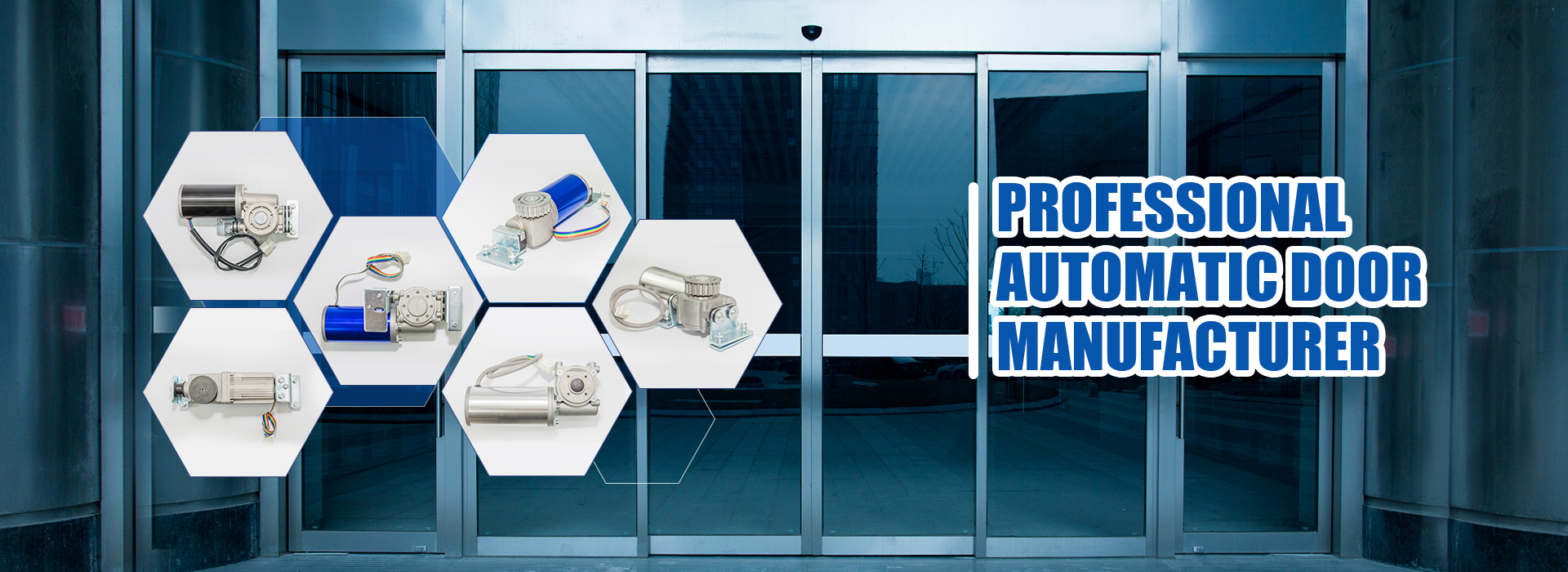
A 60W door motor is generally suitable for lighter commercial doors with moderate daily cycles. It is often used in small offices, retail fronts, internal partitions, and standard glass door retrofits.
This power level is usually enough when the door leaf is light, the track runs smoothly, and the opening frequency is not extreme. It can also be a practical choice when the project prioritizes lower energy use and simpler mechanical stress.
In the product range of YFBF automatic door solutions, lighter-duty drive options are typically paired with standard entrances and retrofit jobs. For projects that need a compact system, an automatic door motor in this class can be appropriate when the load calculation stays within spec.
The main limitation is margin. If the door gets heavier over time, or if traffic rises sharply, a 60W unit may run closer to its limit and experience faster wear.
Comparison Table: Typical Fit of 60W and 100W Door Motors
| Factor | 60W Door Motor | 100W Door Motor |
|---|---|---|
| Door weight | Light commercial doors | Heavier commercial doors |
| Traffic level | Moderate use | High-frequency use |
| Mechanical margin | Smaller reserve | Higher reserve |
| Best use cases | Offices, small shops, interior glass doors | Hospitals, malls, busy lobbies |
| Selection priority | Efficiency and compactness | Durability and load capacity |
When a 100W Door Motor Is the Safer Choice
A 100W door motor is usually better for heavier entrances, frequent opening cycles, or doors with stronger resistance. It is commonly selected for busy lobbies, healthcare access points, and retail entrances with sustained foot traffic.
This higher power rating gives more operating reserve. That reserve helps the system handle frequent starts and stops, which is important because repeated acceleration creates more stress than steady motion alone.
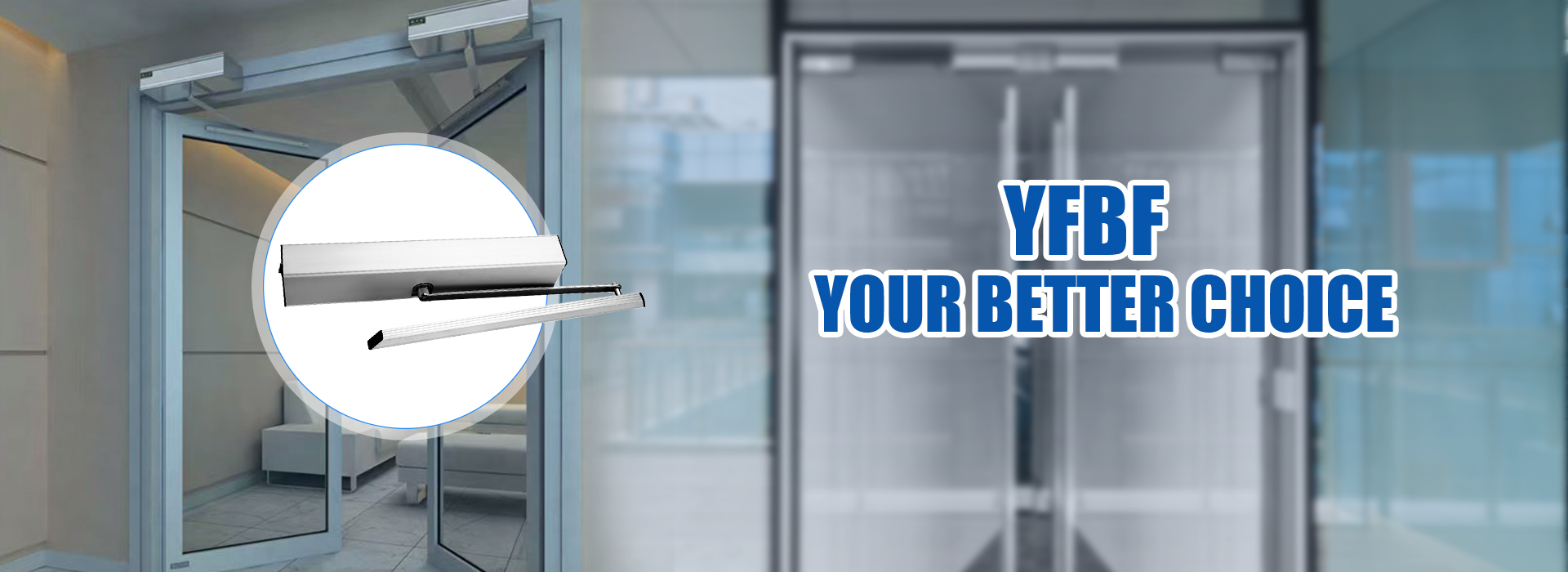
For projects that need stronger drive performance, the automatic sliding door operator category is often relevant, especially for glass-door entrances and commercial lobbies. A stronger operator can improve consistency when the door is used continuously throughout the day.
According to the CDC NIOSH ergonomics guidance, reducing unnecessary physical effort and failure points supports safer workplace design. In door automation, a properly sized drive helps avoid manual intervention and unplanned downtime.
Table: Selection Factors for Commercial Door Loads
| Selection factor | Why it matters | Favors which option |
|---|---|---|
| Door leaf weight | Heavier doors need more torque | 100W |
| Opening frequency | Frequent cycles increase heat and wear | 100W |
| Track or hinge friction | Resistance raises motor demand | 100W |
| Light-duty retrofit | Lower torque demand and simpler installation | 60W |
| Space and structure constraints | Compact systems may suit smaller drives | 60W |
60W vs 100W: What Changes in Real Commercial Projects
The difference between 60W and 100W is mainly about load tolerance, runtime comfort, and service life. It is not simply a matter of one being universally better than the other.
In a low-traffic office door, a 60W unit can be sufficient if the door hardware is well aligned. In a hospital entrance or shopping center, a 100W unit is often preferred because the system must stay stable under continuous use.
Commercial projects also need compatibility with surrounding systems. Access control, sensors, and emergency functions must work together without causing unnecessary motor strain or delayed door response.
For broader system integration, manufacturers often provide related components such as automatic door accessories and complete drive packages. These are useful when the operator, sensors, and mounting hardware must be matched as one system.
How to Choose Based on Door Type and Usage
Door type is as important as wattage when selecting an automatic door motor. Sliding doors usually distribute load differently from swing doors, so the same wattage may perform differently in practice.
A sliding entrance with smooth track conditions may work well with a lower-power drive if the load is light. A swing door with strong closer resistance, wind pressure, or heavy hardware may require more output even when the panel looks similar in size.
- Choose 60W when the door is light, the cycle count is moderate, and the site is a standard office or small retail entrance.
- Choose 100W when the door is heavier, the traffic is high, or the entrance serves a public facility with continuous use.
- Choose the higher-rated option when future usage growth is expected and maintenance access is limited.
The best practice is to verify actual door weight, clearance, mounting method, and controller compatibility before ordering. That approach reduces replacement risk and improves project handover quality.
Supplier Directory: Compatible Product Categories
The right supplier should offer both drive units and matching hardware, because system compatibility matters as much as motor power. A complete product line helps installers reduce commissioning issues and replacement delays.
At the main website, relevant product groups include automatic door motor, automatic sliding door operator, automatic swing door operator, and automatic door accessories. These categories cover both new installations and replacement work.
For projects focused on glass doors or commercial entrances, it is useful to compare complete kits rather than motor wattage alone. A well-matched assembly reduces installation errors and improves long-term reliability.
Installation and Maintenance Considerations
Correct installation can matter more than nominal power in many projects. Even a 100W unit may underperform if the door rail is misaligned, the hinges bind, or the controller is incorrectly tuned.
Maintenance planning should include periodic inspection of rollers, guides, arm hardware, wiring, and trigger devices. Wear in these parts can increase load and make a previously adequate motor feel underpowered.
In retrofit jobs, replacement compatibility is especially important. Older entrances may need a matched set of parts to avoid electrical mismatch, mechanical overload, or unstable opening behavior.
When projects require more than just a motor, a full operator package or a door drive kit is often easier to commission. That is why many engineers prefer standardized product families over mixed components from different sources.
Conclusion
The right choice between 60W and 100W depends on door load, traffic volume, and operating environment. A 60W unit fits lighter, moderate-use entrances, while a 100W unit is better for heavier or high-cycle commercial doors.
For reliable project outcomes, the decision should be based on measured conditions rather than appearance alone. That approach supports better uptime, easier maintenance, and safer daily operation.
FAQ
1. Is a 60W door motor enough for a glass entrance?
A 60W unit can be enough for a light glass entrance with moderate traffic and smooth hardware. If the door is large, heavily framed, or used continuously, a higher-rated motor is usually safer. The final choice should follow actual load and cycle requirements.
2. Can a 100W door motor be used on a light door?
Yes, but only if the controller and hardware are compatible. A stronger motor may provide more reserve, yet it can also be unnecessary for a light-duty entrance. In many projects, selecting a correctly sized unit is better than oversizing.
3. What causes a door to need more motor power than expected?
Common causes include poor alignment, track friction, strong seals, heavy accessories, and frequent opening cycles. Environmental factors such as wind pressure can also increase resistance. These issues often make the real load higher than the original estimate.
4. How do I know whether to prioritize wattage or torque?
Both matter, but torque and actual load handling are usually more important in practice. Wattage is a useful indicator, yet the door’s movement resistance and duty cycle determine how the system performs. Always check the manufacturer’s load specification.
5. Should I replace only the motor or the whole operator system?
If the rest of the system is worn, replacing only the motor may not solve the problem. A full operator system is often the better option when the controller, sensors, or mechanical parts are also aging. This is especially true in high-traffic commercial entrances.

David Chen
Post time: Sep-16-2026