
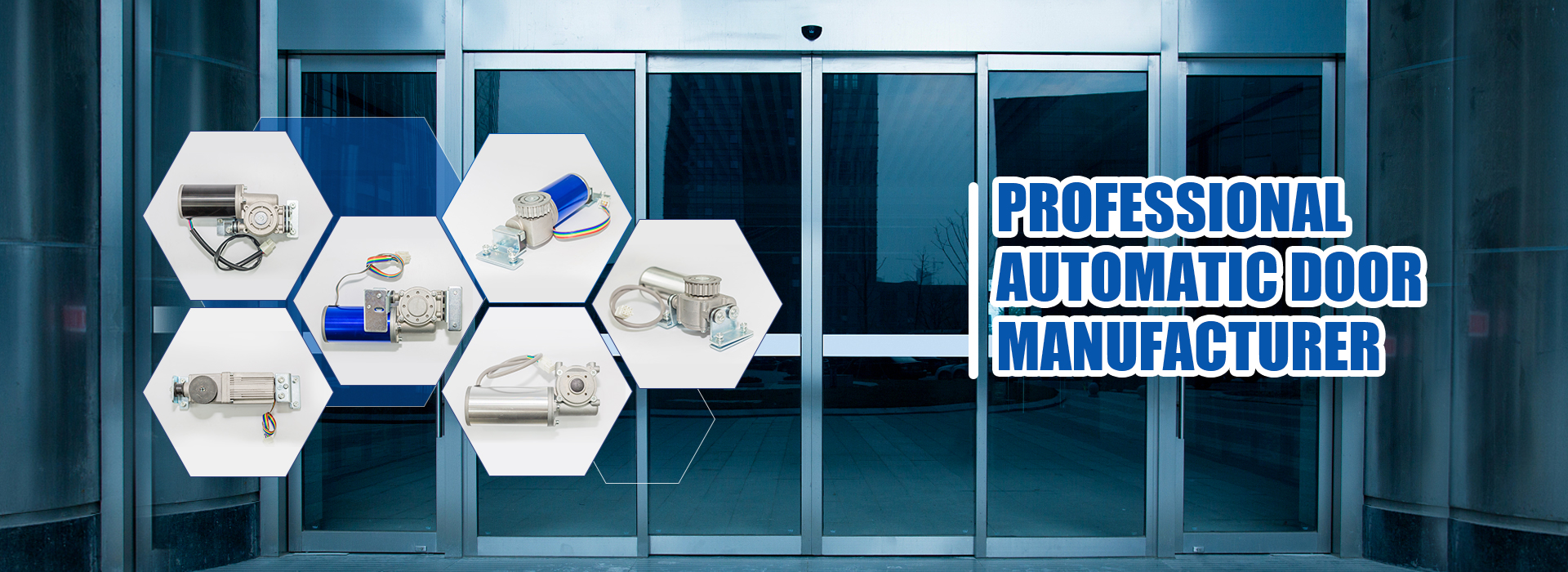
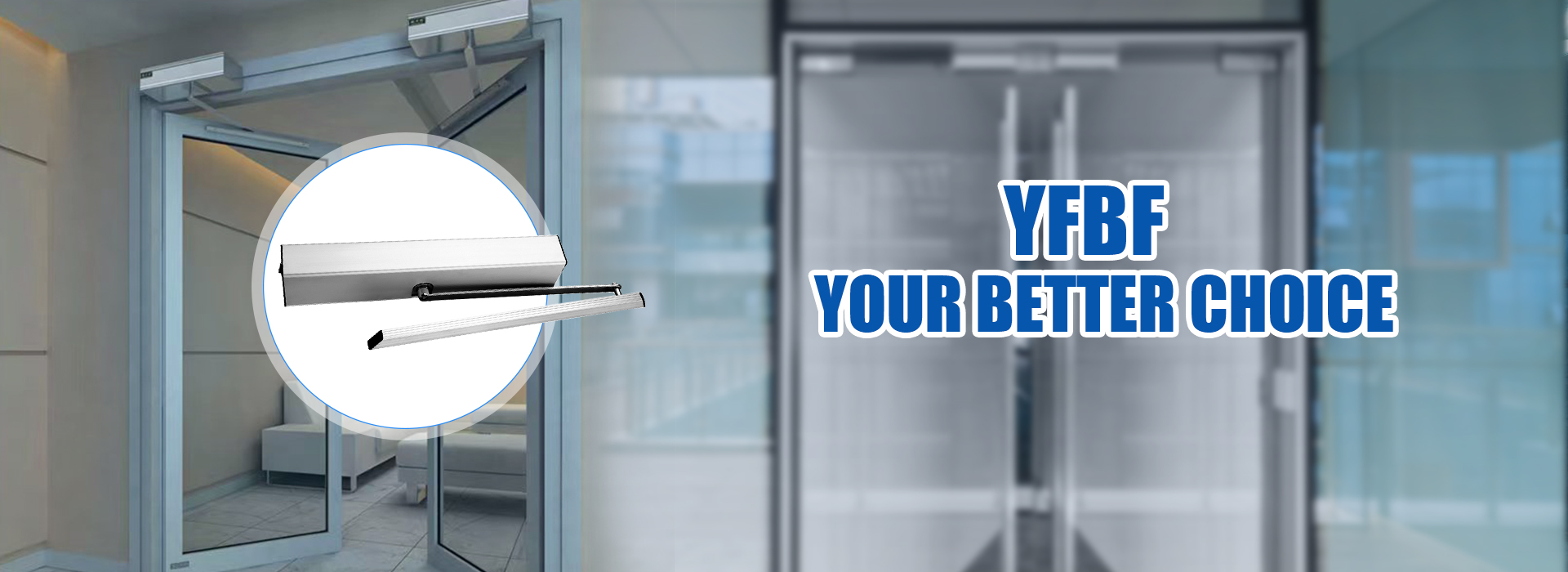
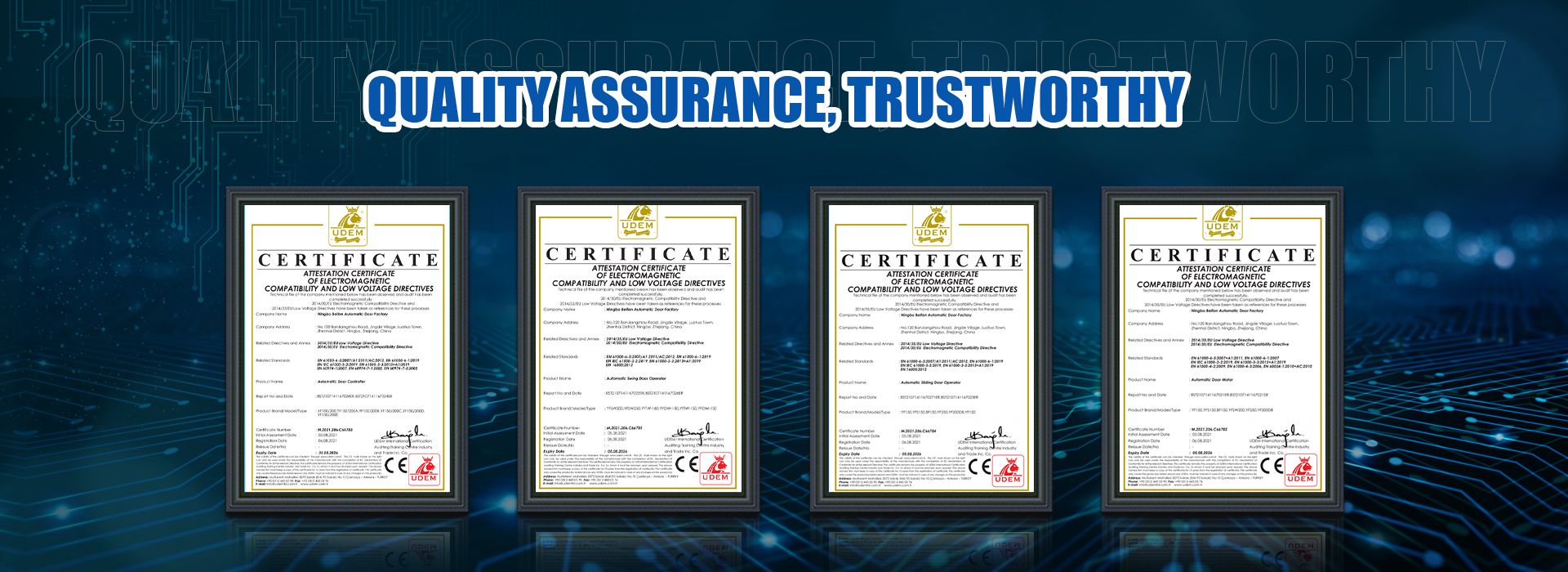
- The best automatic door components are chosen as a system: motor, sensor, controller, and accessories must match the door type and usage intensity.
- Sliding entrances are usually preferred for high-traffic commercial openings, while swing door systems fit tighter spaces and retrofit projects.
- Specification checks should focus on load rating, speed, sensing distance, duty cycle, and compatibility with access control and backup power.
- Maintenance outcomes depend heavily on spare-part availability and model compatibility, especially in repair and replacement scenarios.
- Accessibility and safety compliance should be verified early using recognized standards and site-specific installation constraints.
Automatic door components are the foundation of any reliable entrance system, and the selection process should start with the actual operating conditions, not the catalog headline. For example, accessibility guidance commonly references a minimum clear opening of 32 inches (813 mm) for many accessible routes, while commercial installations also need to consider traffic flow, door mass, and control logic under standards such as ISO 9386-1. In practice, buyers comparing automatic sliding door operators, automatic swing door operators, and door accessories should treat the motor, sensors, and mounting hardware as a coordinated package rather than separate line items.
Automatic Door Components: What the Core System Includes
The core of an automatic door system is the drive unit, but the drive unit alone does not make a complete entrance solution.
An automatic door setup typically includes the motor or operator, controller, activation sensors, transmission hardware, mounting brackets, safety devices, and optional access control modules. The motor provides torque, the controller interprets input signals, and the sensors decide when the door should open, slow down, hold, or close. Accessories such as tracks, arms, rollers, locks, and power supplies determine whether the assembly can be installed cleanly and maintained economically.
For buyers, the main mistake is assuming that a higher-power motor automatically means better performance. In reality, an oversized operator can create unnecessary wear, while an undersized unit can overheat, stall, or fail to meet cycle demands. A balanced configuration is the goal, especially in commercial entrances where uptime matters more than peak headline speed.
| Component | Main Function | What Buyers Should Verify | Typical Selection Risk |
|---|---|---|---|
| Motor / operator | Moves the door leaf or panel | Rated load, duty cycle, opening speed | Oversizing or underpowering |
| Sensor | Detects presence or activation | Detection field, false-trigger resistance | Missed detection in crowded areas |
| Controller | Coordinates motion and safety logic | Input/output options, timing logic | Poor access control integration |
| Accessories | Support installation and linkage | Compatibility, spare-part availability | Long repair delays |
Automatic Door Motors and Operators: The Drive Behind the Entrance
The motor is the mechanical heart of an automatic door, but the operator assembly defines the real usability of the system.
In industry language, a motor is the power source, while an operator or opener usually refers to a more complete module that combines drive, control, and linkage capability. That distinction matters because engineering teams often buy for an application, not for a single component. A commercial entrance may require soft-start and soft-stop logic, adjustable opening speed, and obstacle response settings that are controlled electronically rather than mechanically.
Motor selection depends on door type. Automatic sliding door systems are commonly used for wider openings and higher traffic volumes, while automatic swing door systems are often preferred where wall space, corridor geometry, or retrofit constraints make sliding tracks impractical. For transparent entrances, glass door automation requires careful attention to weight distribution, clamp strength, and closing accuracy because glass panels are visually sensitive and structurally unforgiving.
From a project standpoint, the most important motor-related metrics are load capacity, power reserve, operating temperature range, and cycle endurance. In accessibility-focused planning, automatic doors should also remain operable without excessive force in manual override conditions. That is why spec sheets should be read together with installation drawings, not in isolation.
| System Type | Best Fit | Typical Project Context | Selection Priority |
|---|---|---|---|
| Automatic sliding door | Wide, high-traffic entrances | Retail, hospital, lobby | Throughput and durability |
| Automatic swing door | Space-limited or retrofit sites | Office, clinic, corridor | Compact installation |
| Glass door automation | Commercial frontages | Showrooms, stores, lobbies | Appearance and safety |
For buyers building a spec shortlist, reviewing a dedicated automatic door operator page is often more useful than comparing generic motor listings because it shows the full functional package, not just the drive unit.
Automatic Door Sensors and Safety Devices: Why Detection Matters More Than Speed
Automatic door sensors are the safety gatekeepers of the system.
A sensor is not just an activation trigger; it is the layer that determines when the door should respond and when it should stop responding. In busy environments, the sensor’s detection range, mounting angle, and immunity to false triggers become critical. A well-tuned entrance must detect people, carts, wheelchairs, and baggage without opening repeatedly for irrelevant movement nearby.
Common sensor categories include motion sensors, presence sensors, beam sensors, and safety edges. Motion sensors are often used to activate opening, while presence devices help prevent premature closing. In healthcare, the priority is smooth access and low nuisance failure rates. In retail, the priority is rapid response and repeatable detection under high foot traffic. In office applications, integration with card readers and security systems is often the deciding factor.
The best installation practice is to separate activation logic from safety logic. Activation tells the door to open; safety prevents it from closing on a person or object. That separation reduces liability and improves resilience under real-world usage.
- Check detection width against the actual approach path, not just the doorway centerline.
- Position sensors to reduce reflections, cross-traffic interference, and weather exposure.
- Verify that safety beams or presence detection remain effective during low-light and glare conditions.
- Test every sensor after final alignment, not only during bench setup.
For accessibility and safe operation expectations, ISO 9386-1 is useful when evaluating power-operated lifting platforms and related access principles, while broader building accessibility expectations are commonly aligned with ISO 21542. Even when a project is not formally certified, these references help define good engineering practice.
Door Accessories and Automatic Door Parts: The Hidden Difference Between Easy Installation and Repeat Repairs
Door accessories often decide whether an automatic door is easy to maintain or expensive to own.
Many project delays are not caused by the operator itself but by small parts: brackets, rails, hangers, rollers, arms, locks, stops, controllers, and power modules. When these automatic door parts are standardized and available, installation is faster and repairs are simpler. When they are proprietary, the maintenance team may face longer downtime and higher replacement cost.
Accessories also define the practical boundary of the system. For example, a door lock may be required for nighttime security, a backup battery may be needed to support emergency behavior, and a remote control module may be requested by facilities staff. If access control is part of the project, the door must accept input from card readers, push buttons, motion triggers, or coded controllers without unstable timing conflicts.
The key lesson is that accessory compatibility should be checked before procurement, especially in retrofit projects where old frames or mixed hardware already exist.
| Accessory | Purpose | Why It Matters | Failure Impact |
|---|---|---|---|
| Mounting bracket | Fixes operator to structure | Alignment and load transfer | Noise, vibration, misalignment |
| Track or rail | Guides door movement | Stable travel path | Binding and uneven wear |
| Locking module | Supports security closure | After-hours protection | Unauthorized access risk |
| Backup power | Supports outage behavior | Continuity and safety | Service interruption |
When replacement speed matters, browsing automatic door accessories can help identify which parts are standardized, which are optional, and which are required for a complete installation.
How to Choose Automatic Door Components by Door Type, Traffic, and Space
The right automatic door system is chosen by application conditions, not by catalog preference.
A practical selection process starts with four questions: What is the door type, how heavy is the leaf or panel, how often will it cycle, and how much installation space is available? After that, the buyer should verify electrical supply, access control integration, and maintenance access. In high-traffic entrances, speed and endurance matter; in healthcare and office settings, smooth motion and reliable detection usually matter more than raw throughput.
Below is a simplified decision table that reflects common engineering logic in commercial entrance projects.
| Project Condition | Recommended Direction | Why | Typical Risk if Ignored |
|---|---|---|---|
| Wide entrance, heavy traffic | Automatic sliding door | Better throughput | Congestion and wear |
| Narrow side corridor | Automatic swing door | Less structural intrusion | Space conflict |
| Glass storefront retrofit | Glass door automation package | Cleaner integration | Poor aesthetics or weak fit |
| Security-linked lobby | Operator with access control inputs | Better coordination | Security gaps |
If the site will later expand into access control or touchless operation, it is smarter to select a controller with spare input capacity rather than to replace the entire operator later. That is one reason many project teams prefer a fuller automatic swing door opener or automatic sliding door opener instead of piecing together generic parts.

Commercial Entrance Scenarios: Hospital, Office, Retail, and Glass Door Retrofits
Commercial entrance use cases demand different priorities from the same product family.
In hospitals, clinics, and rehabilitation facilities, the focus is on smooth access, low failure rates, and easy passage for wheelchairs, stretchers, and caregivers. In offices, the door often needs to support visitor management, card access, and a polished front-of-house experience. In retail and shopping environments, the door must survive frequent daily cycles and fast opening patterns without becoming noisy or sluggish. In glass door retrofit projects, visual integration and structural compatibility are usually the hardest constraints.
These scenarios explain why automatic door components should not be chosen by price alone. A lower-cost sensor may be acceptable in a quiet office, but the same unit can be unreliable in a bright storefront with intense foot traffic. A compact operator may fit a narrow frame, yet fail early if the door is used hundreds of times per day.
- Hospital entrances need dependable activation and unobstructed passage.
- Office entrances need access control compatibility and predictable closing behavior.
- Retail entrances need cycle endurance and fast response.
- Glass retrofit projects need careful bracket fitment and clean visual lines.
For project teams comparing formats, the domain’s products overview and about page can help map system capability to deployment context without forcing the reader to guess the application boundaries.
Standards, Compliance, and the Real Meaning of Accessible Automatic Doors
Compliance is not an afterthought because automatic doors are part of the building access chain.
For accessible design, the most useful references are those that describe clear opening, maneuvering space, and safe operating behavior. The ISO 21542 standard addresses accessibility and usability of the built environment, while the U.S. Access Board guidance provides practical interpretations for accessible routes and door clearances. In many projects, a nominal 32-inch (813 mm) clear opening is a baseline planning number, but the real requirement depends on the full doorway geometry, hardware projection, and approach path.
Electrical and installation safety are equally important. Automatic doors should be installed with clear maintenance access, proper wiring practices, and a defined response to power interruption. In addition, safety sensors should be verified after final commissioning rather than assumed to work because the hardware is brand-new.
When a project includes powered motion and complex controls, engineers often review general machinery safety principles alongside building accessibility guidance. This is especially relevant when the door must operate in a healthcare or public-facing environment.
Common Automatic Door Problems and Maintenance Priorities
Most automatic door failures come from alignment, contamination, wear, or improper matching of parts.
Field service teams usually see the same patterns: doors that hesitate because the track is dirty, doors that reopen repeatedly because the sensor field is too wide, doors that close too hard because the speed profile is wrong, and doors that stop because the load is higher than the operator can sustain. The fix is rarely just one part. It is usually a combination of alignment, calibration, and part replacement.
Maintenance priority should follow failure frequency and replacement lead time. A spare sensor or belt may restore service quickly, while a specialized board or uncommon bracket may require more lead time. That is why spare-part planning is one of the most underrated parts of automatic door ownership.
- Inspect mechanical alignment first, because many “electrical” issues are actually mechanical.
- Clean sensors and guide rails before replacing control components.
- Verify load and usage intensity before selecting replacement hardware.
- Keep a compatibility list for high-risk spare parts.
For replacement planning, choosing standardized automatic door parts reduces downtime more effectively than buying the least expensive component with an uncertain fit.
Specification Checklist for Buying Automatic Door Components
A complete checklist prevents most purchasing mistakes.
Before approving a quotation, buyers should confirm door type, clear opening size, panel weight, daily cycle estimate, power supply, mounting method, safety devices, and access control requirements. In addition, they should ask for the spare-parts list, warranty conditions, and commissioning support scope. If the project is a retrofit, they should also verify frame strength and available headroom.
| Checklist Item | Why It Matters | Typical Evidence to Request |
|---|---|---|
| Door weight and width | Defines drive demand | Site survey or drawing |
| Cycle frequency | Determines endurance need | Traffic estimate |
| Safety sensor plan | Prevents collision and pinch risk | Layout and detection diagram |
| Accessory compatibility | Reduces repair delays | Parts list and model map |
| Access control inputs | Supports security workflow | Wiring and IO schedule |
If you want a practical starting point, review the system categories on the automatic door operator page, then cross-check accessories and installation constraints before committing to the order.
FAQ
What are the main automatic door components?
The main components are the motor or operator, controller, activation sensors, safety devices, mounting hardware, transmission parts, and optional access control accessories.
How do I choose between automatic sliding door and automatic swing door systems?
Choose a sliding system for wider, high-traffic entrances and a swing system when wall space is limited or the project is a retrofit with a swing-style door leaf.
What is the difference between an automatic door motor and an automatic door operator?
A motor is the power source, while an operator is usually a more complete unit that includes drive, control, and linkage functions.
Why are sensors so important in automatic door parts?
Sensors control when the door opens and help prevent closing on people or objects, so they directly affect safety and user experience.
What should I check before buying door accessories?
Check compatibility, spare-part availability, mounting method, and whether the accessory supports your access control or security workflow.
How do automatic door components affect maintenance costs?
Well-matched parts reduce downtime, while poor compatibility increases repair time, replacement complexity, and service interruptions.
Which standards are relevant for accessible automatic doors?
Useful references include ISO 21542 for accessibility in the built environment and U.S. Access Board guidance for practical route and doorway considerations.

David Chen
Post time: Aug-19-2026