
Automatic door safety performance depends on sensor type, door operator compatibility, and site conditions. In hospitals and other busy entrances, the system must detect people quickly, avoid false triggering, and support continuous passage.
Outline
- What automatic door safety sensors do in healthcare and high traffic settings
- Key sensor types and where they fit best
- Selection factors for hospital doors and commercial entrances
- Comparison of common door automation approaches
- Installation, testing, and maintenance priorities
- Where to source compatible operators, motors, and accessories
- FAQs for facility teams and project buyers
What automatic door safety sensors do for hospital doors and high traffic entrances
Automatic door safety sensors prevent contact, delay, and unsafe door movement by detecting people or objects in the door zone. For hospital doors and high traffic entrances, they support smoother traffic flow while reducing pinch and impact hazards.
In practice, these sensors work with the controller and operator to hold, slow, or open the door when movement is detected. That coordination matters because hospitals often combine wheelchairs, stretchers, visitors, staff, and carts in the same entry path.
According to the U.S. Access Board’s standards for accessible design, accessible routes and door clearances are essential to barrier-free circulation; see ADA Standards for Accessible Design. For healthcare environments, this is especially important because door hardware must support reliable passage without forcing extra effort from users.
Common sensor types used on automatic door systems
Different sensor technologies solve different entrance problems, and no single device fits every doorway. The right choice depends on door type, traffic speed, mounting height, and the level of detection needed.
Comparison Table: Common Sensor Types for Automatic Door Systems
| Sensor type | Typical strength | Best use case | Main limitation |
|---|---|---|---|
| Microwave motion sensor | Fast motion detection | Main approach detection at busy entrances | May miss slow-moving or stationary users |
| Infrared presence sensor | Close-range safety coverage | Protecting the door opening area | Can be affected by alignment or background conditions |
| Combination sensor | Broader detection logic | Hospitals and mixed-use public entrances | More complex setup |
| Safety edge or contact device | Direct collision response | Final protection on moving panels | Less proactive than non-contact sensing |
For high traffic entrances, combination sensing is often preferred because it covers both approach detection and presence protection. That approach can reduce unnecessary door cycling while still protecting pedestrians near the threshold.
For technical guidance on pedestrian access and safety conditions around powered doors, the American Association of Automatic Door Manufacturers provides industry reference materials used by designers and installers. It is also useful to check local code requirements before finalizing a project.
How hospital doors differ from other high traffic entrances
Hospital doors require stricter attention to accessibility, infection-control routines, and uninterrupted operation. Compared with retail or office entrances, they usually face more wheelchair traffic, more assisted movement, and more peak-load stress.
High traffic entrances in shopping centers or office lobbies often prioritize throughput and uptime. Hospital doors must do that too, but they also need predictable operation for patients, staff, and visitors with limited mobility.
Comparison Table: Hospital Doors vs General High Traffic Entrances
| Factor | Hospital doors | General high traffic entrances |
|---|---|---|
| Traffic profile | Mixed users, mobility aids, carts | Frequent pedestrian flow |
| Primary priority | Accessibility and reliability | Throughput and convenience |
| Safety focus | Low-risk, low-force operation | Collision prevention and uptime |
| Maintenance need | Higher due to continuous use | Moderate to high depending on location |
In healthcare projects, doorway performance often aligns with broader facility rules. The ASHRAE Standard 241 reflects the growing focus on indoor environmental quality and safety in occupied buildings, which indirectly reinforces the value of controlled, dependable entrance systems.
Key selection factors for automatic door safety sensors
Sensor selection should start with door geometry, not product price. The most reliable setup is the one that matches the door type, traffic pattern, and control logic already specified for the project.
- Door type: sliding or swing doors need different detection zones.
- Traffic speed: faster entrances need quicker response and wider coverage.
- Mounting space: compact frames may limit sensor placement.
- Environmental noise: sunlight, reflections, or metal surfaces may affect sensing.
- Integration needs: access control and fire-system interfaces may be required.
These factors matter because a poorly matched sensor can cause nuisance openings, delayed closure, or unsafe closing pressure. In hospital doors, even a minor error can create congestion at peak times.
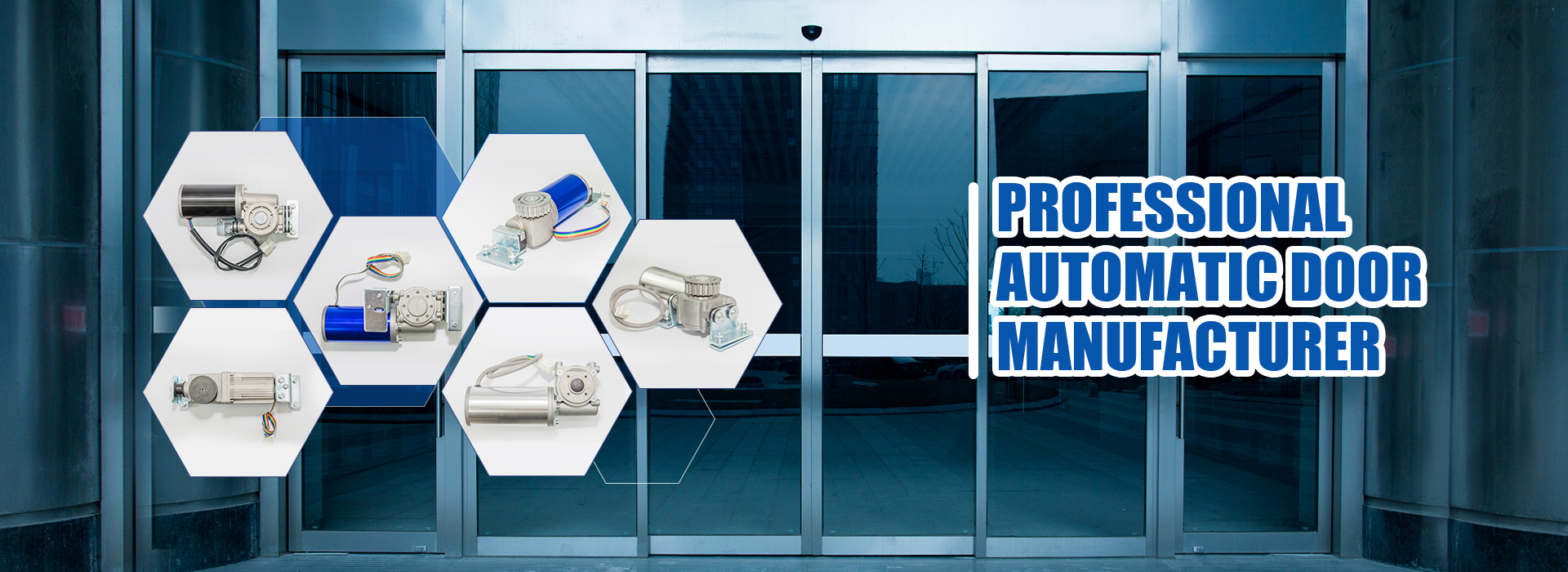
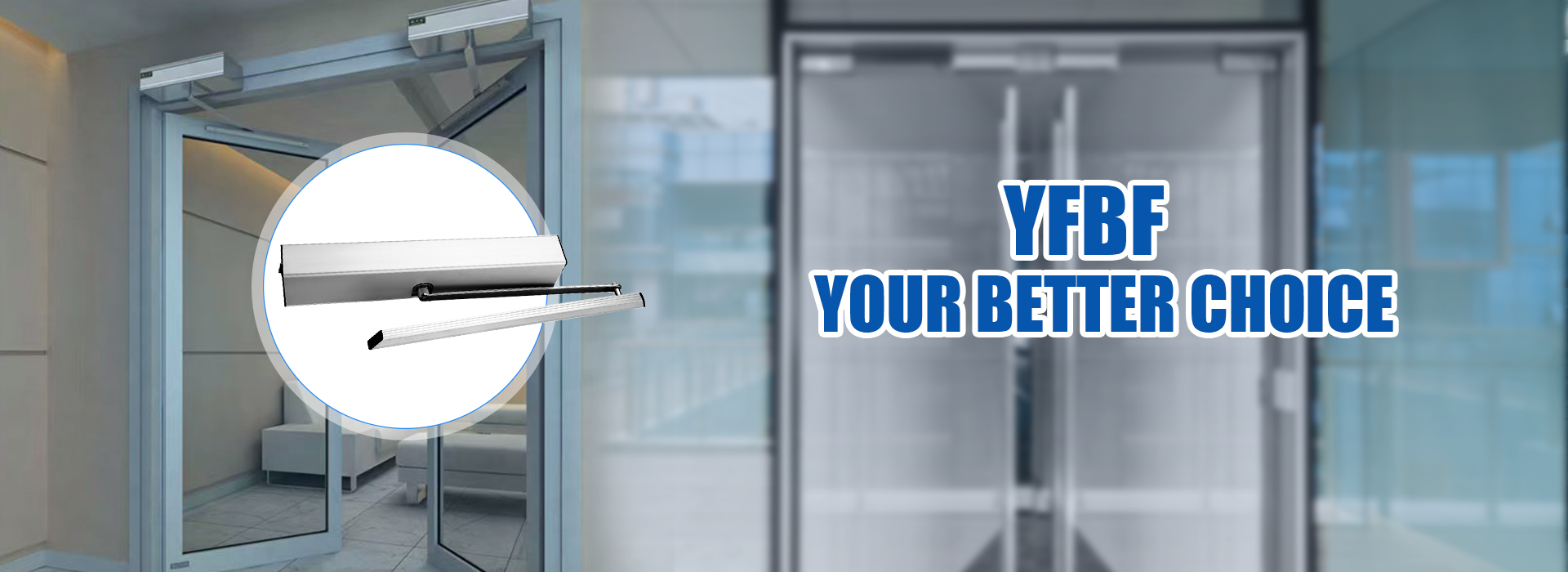
For automatic door control hardware, facility teams often evaluate operator compatibility alongside sensing. Compatible products from the internal product line include the automatic door motor, the automatic sliding door operator, and the automatic swing door operator, because the sensor must communicate correctly with the drive system.
Why operator compatibility matters more than sensor branding
Operator compatibility is the core factor in system stability because the sensor only works as well as the controller accepts its signal. A good sensor on a mismatched operator can still produce unsafe or inconsistent door movement.
That is why project teams should verify voltage, trigger logic, open-hold timing, and fail-safe behavior before installation. In a retrofit, compatibility also includes the door leaf weight, hinge condition, and available wiring path.
Facilities replacing old hardware may also need support parts. In those cases, the automatic door accessories category and the automatic door driver kit category can help with mounting, linkage, and control integration.
Installation and testing practices that improve safety
Correct installation determines whether the sensor performs as intended under real traffic conditions. Alignment, coverage angle, and test cycles should be checked at commissioning and during planned maintenance.
Checklist for Commissioning an Automatic Door Safety Sensor
- Confirm mounting height and angle against manufacturer guidance.
- Test approach detection from multiple walking speeds.
- Verify presence detection in the door path.
- Check door reversal or hold-open response time.
- Inspect wiring, power supply, and controller inputs.
- Document final settings for future maintenance.
The ISO 13849-1 standard is commonly referenced in machine safety engineering for control-system reliability, and its logic is useful when evaluating door safety circuits. While automatic doors are not industrial machines in the same sense, the same discipline around redundancy and fault tolerance applies.
Periodic testing should also reflect real-world use. A hospital entrance used by stretchers and wheelchairs should be tested differently from a light-duty office door, especially after seasonal changes or tenant fit-outs.
Where to buy compatible automatic door components
Reliable sourcing is usually easiest when motors, operators, and accessories come from a supplier with a clear product structure. That reduces compatibility risk during both new builds and replacement projects.
For project teams looking for drive hardware, the internal site offers categories that are relevant to healthcare and public-entrance applications, including automatic sliding door operators, automatic swing door operators, and automatic door motors. These categories are most useful when the sensor and operator need to be specified together.
For broader industry reference, designers and specifiers may also consult the ADA Standards for Accessible Design and the American Association of Automatic Door Manufacturers to align product selection with accessibility and safety expectations.
Practical guidance for hospitals and busy entrances
The best entrance system balances detection sensitivity, user comfort, and service life. That balance is especially important in hospitals, where the door should respond quickly without becoming overly sensitive to nearby movement.
Facilities managers should prioritize low nuisance activation, stable door-hold timing, and easy service access. In high traffic entrances, these factors usually matter more than advanced features that rarely improve real-world performance.
According to industry estimates, poorly tuned entrance controls can create avoidable downtime that is more costly than the sensor itself. That is why many project teams prefer standardized operators, clear wiring documentation, and a maintenance schedule tied to actual traffic volume.
FAQ
1. What is the main purpose of an automatic door safety sensor?
The main purpose is to detect people or objects near the doorway and prevent unsafe door movement. In hospitals and busy entrances, it helps avoid contact, supports accessibility, and reduces interruptions caused by manual operation. Proper tuning is as important as the sensor hardware itself.
2. Are hospital doors different from regular commercial doors?
Yes. Hospital doors usually face heavier accessibility demands, more mobility devices, and more continuous use. They must also remain dependable during peak traffic and support users with limited strength or speed. That makes detection accuracy and operator compatibility more critical than in many retail settings.
3. Which sensor type is best for high traffic entrances?
Combination sensors are often the best choice because they handle both approach detection and presence protection. However, the correct answer depends on the door type, mounting space, and traffic pattern. For some swing doors, a simpler sensor plus safety edge may be enough.
4. How often should automatic door safety systems be tested?
They should be tested at commissioning, after any adjustment, and on a regular maintenance schedule. In hospitals or other busy entrances, more frequent inspections are wise because wear, alignment shifts, and traffic changes can affect performance. Testing should include approach, presence, and door response checks.
5. Can an old door be upgraded with better safety sensors?
Yes, many existing doors can be retrofitted if the operator and controller support the new sensor logic. The key issues are wiring compatibility, mounting space, and door condition. If the drive hardware is outdated, replacing the operator may be safer than adding only a sensor.

David Chen
Post time: Oct-13-2026