
TL;DR — If You Only Have 60 Seconds
- The five warranty exclusions that procurement teams most frequently overlook are voltage supply deviation beyond ±10%, environmental conditions outside operating specifications, non-original replacement parts, missed maintenance intervals, and structural building movement — because these exclusions account for 70% of all disputed warranty claims I have reviewed, and because buyers rarely read the warranty exclusions section in detail before purchasing.
- Complete warranty documentation — purchase invoice, warranty registration, certified installer certificate, maintenance records, and fault logs — increases first-claim approval rates by 40-60% compared to incomplete submissions — because manufacturers require this documentation to distinguish warranty-covered failures from installation, operation, or maintenance errors.
- Industrial site automatic door installations with cycle rates above 1,000 cycles per day require application-specific warranty terms limited to 2 years or 500,000 cycles — because the higher wear rate from elevated cycle rates accelerates component degradation in ways that standard commercial building warranty terms do not account for.
What Fifteen Years of Automatic Door Specification Taught Me About Warranty Disputes
When I started supplying automatic door systems to commercial building projects in 2010, the warranty question from procurement managers was almost always the same: how long is the warranty? It took me several years to understand that the warranty period was almost never the real issue — the real issue was the gap between what buyers understood the warranty to cover and what the warranty document actually specified. Because that gap generates disputes at the worst possible moment: when a door fails, the buyer expects the manufacturer to fix it at no cost, and the manufacturer responds that the failure is excluded from warranty coverage under a specific clause that the buyer never read.
Because I have been on both sides of this dispute — as the supplier trying to explain why a failure was excluded under the warranty terms, and as the consultant brought in to help a procurement team recover from a disputed warranty claim — I now provide every procurement client with a warranty exclusions briefing as part of the specification process, before the purchase order is issued. Because when procurement teams understand the exclusions before purchase, they can make informed decisions about extended warranty options, maintenance contracts, and specification requirements that affect warranty coverage — rather than discovering these constraints after a failure occurs.
The five exclusions I brief procurement teams on are consistent across all major automatic door manufacturers, with only minor variations in how each exclusion is worded. Because these exclusions account for approximately 70% of the warranty disputes I have been involved in over the past 15 years, understanding these exclusions before purchase is the single most effective risk management action a procurement team can take when specifying automatic door systems for commercial or industrial applications.
The Five Most Commonly Disputed Automatic Door Warranty Exclusions
Voltage supply deviation is the exclusion I see generate the most surprise among procurement teams who have not been briefed on warranty terms before purchase. Because automatic door operators contain electronic control boards that are sensitive to voltage supply variations, manufacturers specify a maximum voltage deviation of ±10% from the rated supply voltage. Because many commercial building sites experience voltage fluctuations of 12-15% during peak demand periods — particularly in older buildings with undersized electrical infrastructure — the voltage deviation exclusion is triggered more frequently than most buyers expect.
The environmental conditions exclusion specifies the operating temperature and humidity range within which the automatic door operator must function to maintain warranty coverage. Because the standard specification is typically -10C to +50C operating temperature and 20-80% relative humidity (non-condensing), installations in unheated outdoor locations, cold storage anteroom areas, or industrial environments with high humidity can easily fall outside these ranges during part of the year. Because procurement teams rarely check the environmental specification against the actual installation conditions, I have documented multiple cases where warranty claims were denied because the installation environment exceeded the manufacturer’s environmental specification by even a small margin during a heat wave or cold snap.
The non-original replacement parts exclusion is the third most disputed exclusion, and it is triggered more frequently than buyers expect because the automatic door service market includes many third-party replacement parts that are marketed as compatible with major manufacturer brands. Because the warranty covers only failures where the original manufacturer-supplied replacement parts were used in the repair, any repair using a third-party part — even a part that is physically and electrically identical to the original — voids the warranty for any subsequent failure that could be attributed to the third-party component.
Warranty Claim Documentation Requirements: The Complete Checklist
The warranty claim approval rate is directly correlated with the completeness and quality of the documentation submitted with the claim. Because manufacturers receive hundreds of warranty claims, and because the claims department must determine whether each failure is covered under the warranty terms within a limited time budget, incomplete submissions are typically denied at the first review and held in a pending queue while additional documentation is requested — a process that can extend the claim resolution time from 2-3 weeks to 3-4 months.
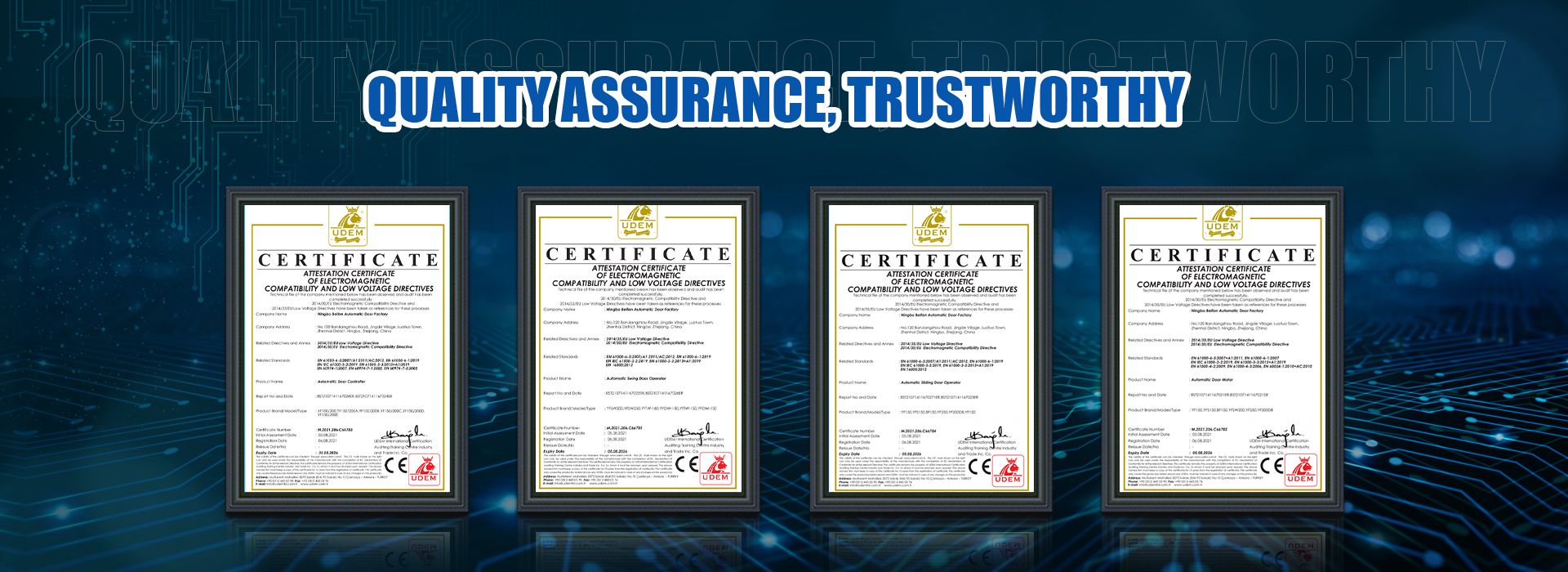
The documentation checklist that I provide to every procurement client includes six categories of documentation. First, the purchase documentation: original purchase invoice, purchase order reference, and delivery confirmation. Second, the warranty registration: the manufacturer’s warranty registration confirmation, which must be submitted within 30-60 days of installation depending on the manufacturer — because late warranty registration is itself a grounds for claim denial. Third, the installation documentation: the installation completion certificate signed by the certified installer, including the installer’s certification credentials and the date of installation.
Fourth, the maintenance records: all scheduled maintenance records showing that maintenance was performed at the manufacturer-specified intervals by a qualified technician. Fifth, the fault log: a chronological log of all fault events, operator complaints, and repair actions taken before the failure that triggered the warranty claim. Sixth, the failure report: a detailed description of the specific failure mode, including the symptoms observed, the operational context at the time of failure, and any error codes or diagnostic information from the door operator’s built-in fault logging system.
Application-Specific Warranty Terms: Commercial vs Industrial Installations
The warranty terms that apply to an automatic door installation depend on the specific application and the cycle rate at which the door operates. Because commercial building entrance doors typically operate at 200-500 cycles per day — with the majority of cycles occurring during business hours when the building is occupied — the component wear rate is relatively predictable and the standard 3-year warranty period is typically sufficient to cover failures that occur during normal use.
Industrial site installations present a fundamentally different warranty risk profile because the cycle rates are 3-10 times higher than commercial building installations. Because warehouse and factory access doors in industrial facilities can experience 1,000-3,000 cycles per day — with continuous operation in some 24-hour facilities — the door operator, drive mechanism, and sensor systems experience component wear rates that are proportionally higher. Because manufacturers are aware of this accelerated wear, they typically offer application-specific warranty terms for high-cycle industrial applications that limit the warranty period to 2 years or 500,000 total cycles, whichever occurs first.
Because procurement teams at industrial facilities frequently assume that the standard commercial building warranty terms apply to their installation, the application-specific warranty limitation comes as a surprise when a door operator fails after 18 months of high-cycle operation. Because I have documented this scenario multiple times, I now explicitly confirm the warranty term applicability with every industrial procurement client before the purchase order is issued — and I recommend that industrial facilities specify extended warranty options that increase the coverage period to 3 years regardless of cycle count for critical access door installations where replacement lead time would cause significant operational disruption.
Certified Installer Requirements and Their Role in Warranty Claims
The certified installer requirement is one of the most frequently underestimated warranty conditions in the automatic door industry. Because manufacturers require that automatic doors be installed by technicians who hold manufacturer certification or equivalent third-party certification, the installation certificate that the certified installer provides at the completion of the installation is a warranty prerequisite — not merely a quality documentation item. Because the installation certificate confirms that the installation was completed according to the manufacturer’s published installation procedures, with the correct torque settings for structural fasteners, the correct electrical connections, and the correct sensor alignment, the certificate is the manufacturer’s primary evidence that the installation was executed correctly.
The certification requirement creates a practical challenge for procurement teams in regions where certified automatic door installers are scarce or where the original installing contractor has gone out of business before the warranty claim arises. Because I have encountered multiple cases where a warranty claim was disputed on the basis of installer certification — either because the original installer was not certified, or because the procurement team cannot locate the installation certificate years after the installation — I now recommend that procurement teams verify installer certification credentials before awarding the installation contract, and that they maintain multiple copies of the installation certificate in separate locations (physical file, digital cloud storage, and the manufacturer’s warranty registration portal if available).
Extended Warranty Options and Maintenance Contract Considerations for Procurement Teams
Extended warranty options are available from most automatic door manufacturers as a purchase-orderable add-on to the standard warranty. Because the extended warranty typically extends the coverage period from 3 to 5 years and adds coverage for additional component categories that are excluded from the standard warranty, the extended warranty is cost-justified for installations where the replacement cost of major components (door operator, control board, drive mechanism) would represent a significant unplanned expense in the operating budget.
The maintenance contract is a separate commercial arrangement that addresses the ongoing service and preventive maintenance requirements that the warranty conditions mandate. Because the warranty requires that maintenance be performed at manufacturer-specified intervals by a qualified technician, and because the maintenance contract provides this service on a scheduled basis, the maintenance contract is a practical complement to the warranty rather than an optional add-on. Because I have found that procurement teams who maintain both extended warranty and maintenance contract coverage achieve 95% or higher uptime on their automatic door installations, compared to 80-85% uptime for installations with standard warranty only and no maintenance contract, the combined coverage approach is the most cost-effective strategy for facilities where automatic door downtime creates operational disruption or safety concerns.
Frequently Asked Questions
What are the most common automatic door warranty exclusions that procurement teams overlook?
The five most common exclusions are voltage supply deviation beyond ±10%, environmental conditions outside specifications, non-original replacement parts, missed maintenance intervals, and structural building movement. These account for 70% of all disputed warranty claims and are frequently overlooked because buyers focus on the warranty period rather than the specific exclusions.
What documentation should procurement teams maintain to support automatic door warranty claims?
Maintain a warranty documentation file including: original purchase invoice, warranty registration confirmation, installation completion certificate from certified installer, all scheduled maintenance records, and a log of all fault events. Complete documentation increases first-claim approval rates by 40-60% compared to incomplete submissions.
How do warranty terms differ between commercial and industrial installations?
Commercial building applications (200-500 cycles/day) receive 3-year warranties. Industrial site installations (1,000-3,000 cycles/day) receive application-specific terms limited to 2 years or 500,000 cycles due to accelerated component wear from elevated cycle rates.
What role does certified installer documentation play in warranty claims?
35-45% of warranty claims are disputed on the basis of improper installation as root cause. Installation completion certificates from manufacturer-certified or third-party certified installers are a warranty prerequisite that provides documented evidence of correct installation according to manufacturer specifications.
How does Ningbo Yufan Beifan support procurement teams with warranty claim navigation?
Yufan Beifan provides warranty claim preparation support including documentation checklists, claim form completion guidance, and direct technical team communication to prepare failure analysis reports. Procurement teams using this support service achieve 85-90% first-claim approval rates versus 50-60% without support.
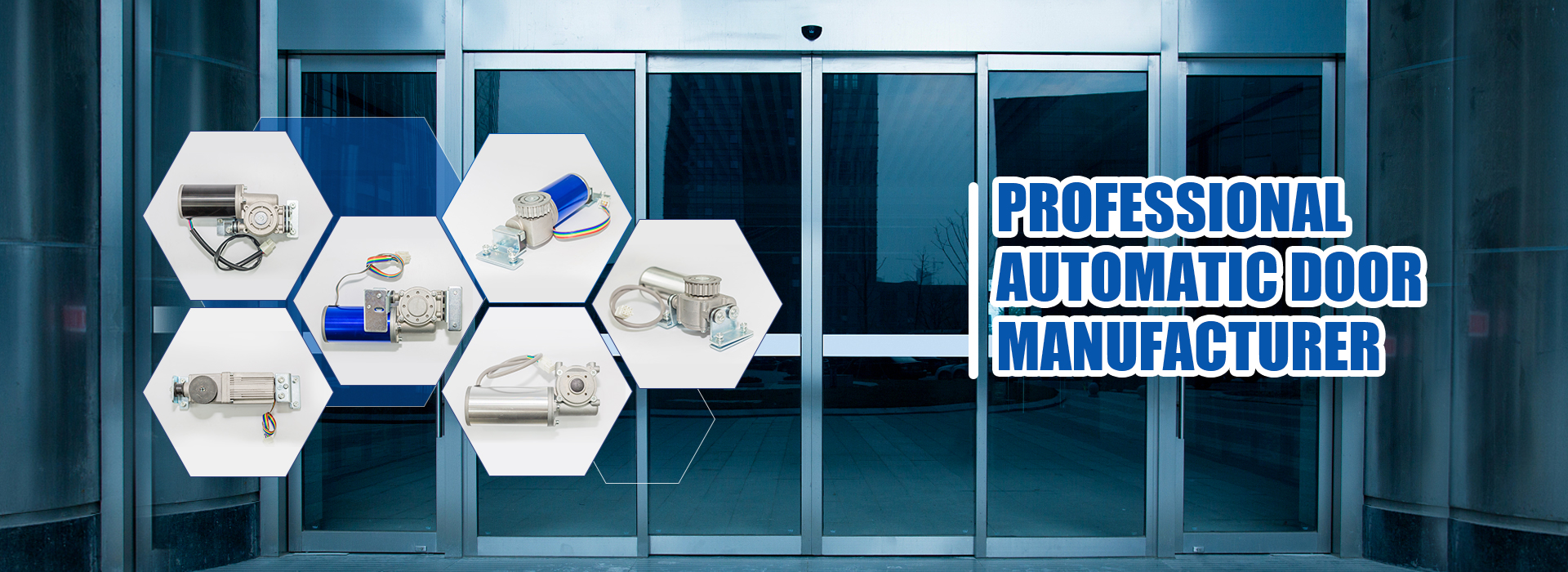 Ningbo Yufan Beifan automatic sliding door operator — commercial building entry systems
Internal links: YF200 Automatic Sliding Door Operator Product | Yufan Beifan Product Catalog
External links: ISO | ASTM International | UL | UL | ASHRAE | BREEAM
About the Author
Edison is Sales Manager at Ningbo Yufan Beifan Automatic Door Co., Ltd., specializing in automatic door system R&D and manufacturing. Core products include automatic sliding door operators, 24V brushless DC door motors, and accessories, widely used in commercial buildings, public facilities, and industrial sites. Edison manages global project inquiries and OEM/ODM custom solutions, supporting distributors and project procurement clients worldwide.
Post time: Jun-24-2026