
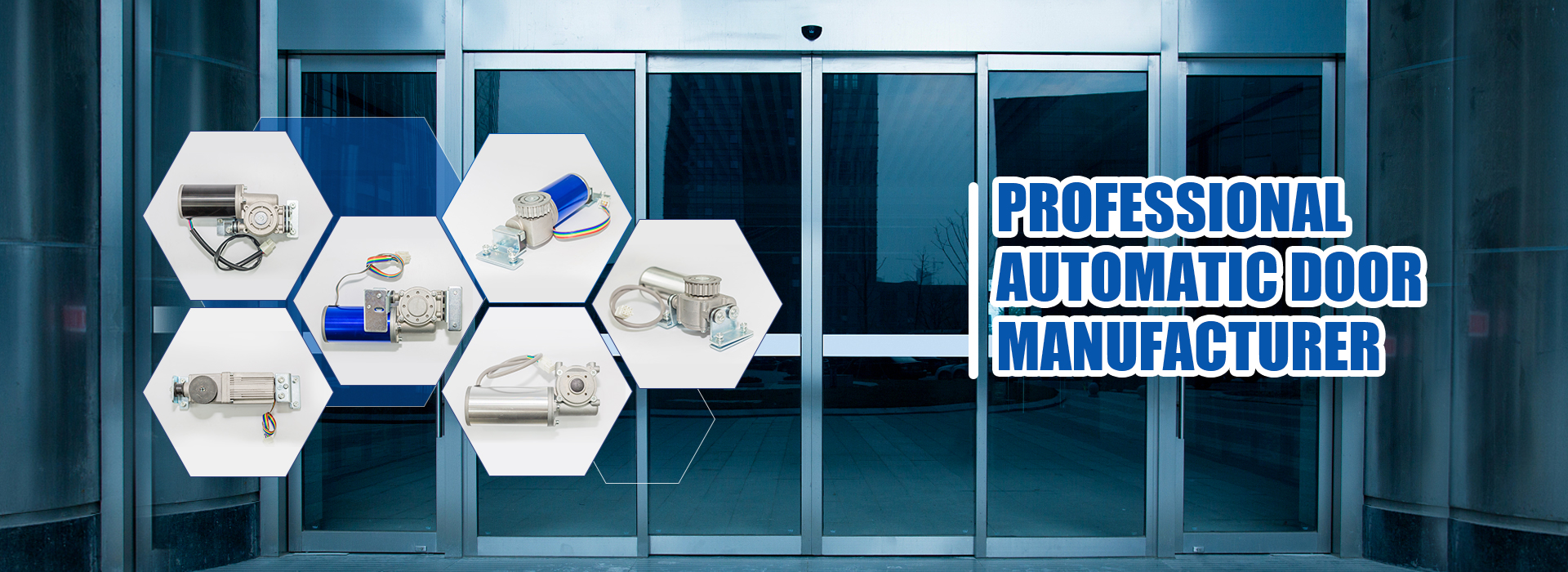
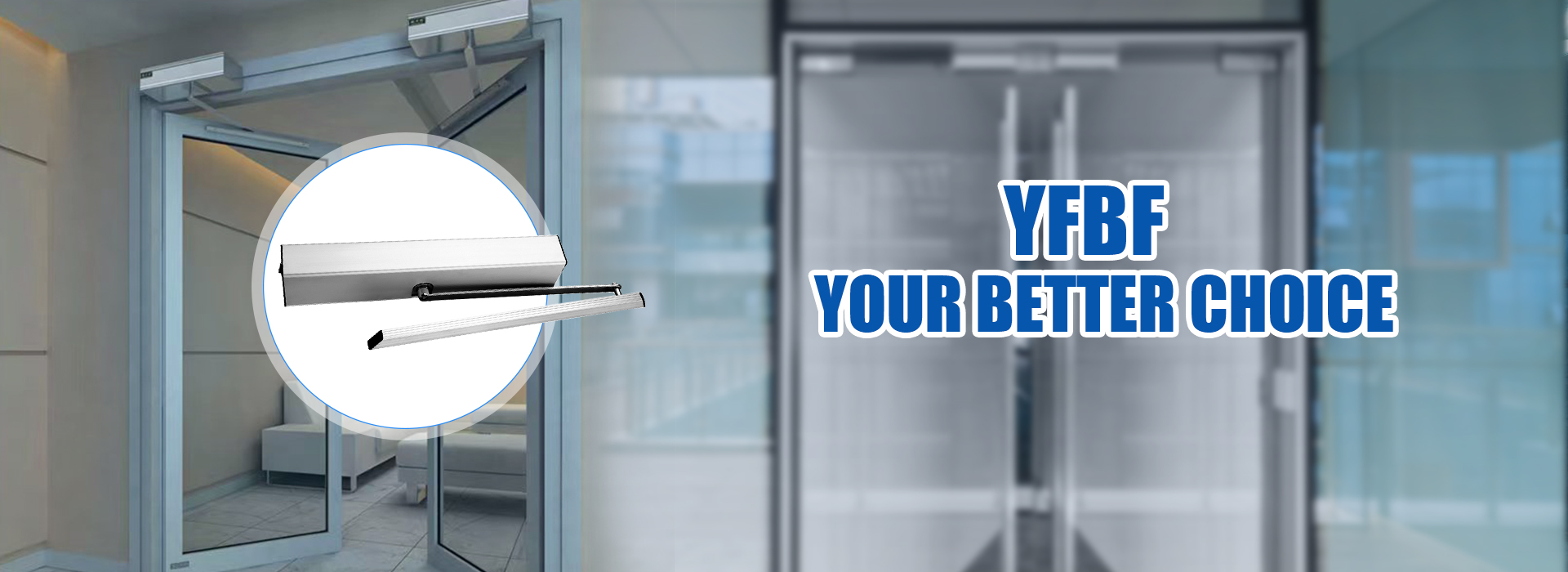

- Automatic doors improve retail flow by reducing entry bottlenecks and making access more intuitive.
- Sliding doors suit high-traffic retail entrances; swing doors suit tighter spaces or existing hinged openings.
- Good selection depends on door weight, width, traffic frequency, and integration with access control.
- Standards-based detailing helps support accessibility, safety, and long-term maintenance.
- Retail teams should plan for installation, sensor tuning, and spare parts availability from the start.
Automatic doors for retail stores matter because the entrance is not just a passage point; it is a measurable part of the customer experience, queue behavior, and accessibility strategy. In public-facing buildings, door clear opening, approach space, and maneuvering room influence whether visitors enter smoothly or hesitate at the threshold, and guidance such as ADA Chapter 4 and ISO 21542 helps define what “easy access” should mean in practice. For retail operators, the best automatic door is the one that balances speed, safety, visibility, and reliable duty cycle without creating a bottleneck at peak hours.
Automatic doors in retail stores: why customer flow starts at the entrance
Automatic doors influence the first 5 to 10 seconds of a store visit, which is when customers decide whether the entry feels welcoming or awkward. A retail entrance door with hands-free operation reduces contact friction, supports shoppers carrying baskets or packages, and improves accessibility for older adults and wheelchair users.
Retail flow is also operational flow. If the entrance opens slowly, closes too soon, or conflicts with foot traffic, staff often end up compensating with manual intervention. That creates inconsistent customer experience and can increase wear on the door system over time.
In high-traffic commercial buildings, the entrance should be treated as a throughput system. That means sizing the door for expected peak arrivals, tuning the sensor zone, and aligning the opening mode with the store layout. For retail projects, an automatic sliding door is usually the first option when daily traffic is heavy and the doorway is wide, while an automatic swing door is often used where the opening must fit into an existing hinged frame or where side clearance is limited.
| Retail entrance factor | Why it matters | Typical planning value |
|---|---|---|
| Clear opening width | Controls passage comfort and congestion | 36 in minimum accessibility reference in many guidelines |
| Door response | Prevents hesitation at the threshold | Sensor activation and open cycle tuned to traffic pattern |
| Hold-open timing | Affects carts, wheelchairs, and group entry | Adjusted by site conditions, not one fixed value |
| Traffic frequency | Determines duty-cycle demand | Low, medium, or high-use classification |
For a retail team comparing options, the right starting point is to review automatic sliding door operator, automatic swing door operator, and glass door automation kit pages side by side with the store’s actual doorway dimensions and traffic patterns.
Automatic doors, retail entrance doors, and customer flow solution design
The best customer flow solution is the one that fits the building, not the one that looks most advanced. Retail entrances are typically influenced by door width, available side space, facade design, and the type of shoppers using the store.
Automatic sliding doors work well when shoppers enter in waves and need a generous opening. Their practical advantage is simple: the leaves move out of the path of travel, so the entrance remains intuitive even when people are carrying items. Automatic swing doors are more suitable when the entrance must preserve a conventional hinged look or when retrofitting is constrained by structure.
Glass door automation is a major retail retrofit category because it preserves storefront visibility while removing the effort of manual opening. This matters in showrooms, boutiques, pharmacies, and convenience stores where transparency and quick access both affect the perceived quality of the space.
| Door type | Best retail use | Strength | Constraint |
|---|---|---|---|
| Automatic sliding door | High-traffic storefronts | Fast throughput and broad clear opening | Needs adequate lateral space |
| Automatic swing door | Tight retrofits | Fits existing hinged layouts | Requires swing arc clearance |
| Glass door automation kit | Showrooms and boutiques | Preserves visual merchandising | Depends on glass weight and frame condition |
| Access-controlled entrance | Staff-only or premium zones | Supports security integration | Needs coordinated control logic |
When a store operator plans the entrance as a customer flow solution, the decision is usually less about the door itself and more about system fit. That includes operator torque, sensor placement, opening duration, and how the door behaves when a customer approaches with a cart or stroller.
For deeper product comparison, the product catalog and applications page can be used to map retail, office, and healthcare use cases to the correct door architecture.
Accessibility, safety, and standards for retail automatic doors
Accessibility is a core performance requirement, not an optional add-on. In retail, the entrance must work for first-time visitors, people with limited strength, and shoppers who cannot easily manipulate a manual handle.
The U.S. Access Board guidance for entrances and doors explains practical requirements for maneuvering clearances, accessible opening force, and usable door width in public buildings. Likewise, ISO 21542 addresses accessibility and usability of the built environment, including door-related conditions that affect independent access.
Safety is equally important. Automatic doors need presence detection, obstacle response, and proper hold-open behavior to reduce pinch and impact risk. In real projects, poor sensor alignment can cause false closes or delayed opening, both of which damage confidence at the entrance.
For retail operators, a robust automatic door system usually includes these elements:
- Motion or presence sensor coverage at the approach area
- Operator logic that prevents premature closure
- Manual override or emergency access strategy
- Maintenance access for rollers, belts, or arms
- Compatible access-control interface when needed
Many stores also need integration with security systems. A door linked to card readers, code pads, or remote release modules can support restricted entry before opening hours or controlled access to back-of-house zones. For a technical overview of commercial door automation components, see automatic door operator and access control.
| Standards or guidance | Scope | Retail relevance | Why it matters |
|---|---|---|---|
| ADA guidance | Public accessibility | Store entrances, route access, usable opening | Supports independent customer entry |
| ISO 21542 | Built environment accessibility | Clearances, usability, circulation | Useful for project specification |
| NIST energy resources | Building performance and codes | Facade and operational efficiency context | Helps frame whole-building design choices |
How to choose an automatic entrance door for retail stores
The right automatic entrance door is selected by engineering fit first and aesthetics second. Retail teams often start with appearance, but the doorway must still handle daily cycles, door mass, and real traffic peaks.
Selection should begin with five variables: door weight, clear opening width, expected traffic frequency, available installation space, and power/control requirements. If those are not aligned, even a premium operator can feel slow or unreliable in use.
For practical planning, high-traffic retail sites usually need a sliding system with durable track and drive components, while smaller storefronts may benefit from a swing operator that can be retrofitted with fewer structural changes. Stores with oversized glass panels should verify whether the hardware can handle the actual leaf mass and whether the frame is stiff enough to avoid drift.
| Selection factor | What to verify | Risk if ignored |
|---|---|---|
| Door weight | Leaf mass and glass thickness | Slow movement or premature wear |
| Door width | Clear opening and overall span | Congestion at peak entry times |
| Traffic frequency | Daily opening count | Undersized operator duty cycle |
| Installation space | Header depth and lateral clearance | Retrofit complications |
| Control logic | Sensor, access, and safety inputs | Unstable or confusing entry behavior |
In retail maintenance planning, compatibility matters as much as performance. A standard model naming structure helps contractors identify what is suitable for a given door type, which can reduce downtime during replacement and make spare parts easier to source. For example, operators, sensors, and accessories should be selected as a system rather than as isolated parts.
To support this approach, many integrators use product pages such as automatic door parts and door sensors to build a complete bill of materials before ordering.
Retail use cases: where automatic doors improve experience the most
Automatic doors create the strongest value in retail formats where entry friction directly affects conversion, comfort, or brand perception.
In convenience stores, the priority is quick entry and exit. Customers often enter for short purchases, so a responsive door helps avoid bottlenecks and improves perceived service speed. In grocery and pharmacy settings, shoppers may carry bags, carts, or medical supplies, so hands-free access reduces effort and supports accessibility.
In boutiques and showrooms, the main benefit is visual continuity. A glass entrance that opens smoothly reinforces a premium image without interrupting the storefront display. In shopping centers and larger retail complexes, automatic doors help control queues during peak periods and reduce pressure on staff who would otherwise manually assist visitors.
Healthcare-adjacent retail, such as optical shops or clinics with attached storefronts, often needs lower-fuss access and more reliable operation. In those settings, a door that remains stable under frequent use is more valuable than a door with a flashy movement profile.
Typical retail scenarios and matching door logic are shown below.
| Retail scenario | Customer need | Best-fit door logic | Operational focus |
|---|---|---|---|
| Convenience store | Fast in-and-out flow | Responsive sliding entry | Cycle speed and durability |
| Pharmacy | Accessible, calm entry | Smooth opening and hold-open | Reliability and usability |
| Boutique | Premium storefront feel | Glass automation retrofit | Visibility and aesthetics |
| Shopping mall unit | Peak-hour throughput | Heavy-use sliding system | Traffic handling |
Retail operators who want to compare formats can also review retail applications and commercial building applications for installation context.
Installation, commissioning, and maintenance for retail automatic doors
Installation quality determines whether an automatic door feels dependable or frustrating in daily use. Even a well-chosen operator can underperform if the header is misaligned, the sensors are poorly aimed, or the commissioning is rushed.
A proper commissioning process should verify leaf travel, obstacle response, opening speed, closing force, and fail-safe behavior where applicable. Retail environments are unforgiving because the door is used constantly, often by people who never read a sign or wait for instructions.
Maintenance should focus on the parts that create motion and sensing. That includes rollers, tracks, belts, arms, fasteners, and sensor lenses. For swing systems, arm condition and mounting stability are key. For sliding systems, cleanliness in the track and consistency in drive action are essential.
Retail sites should also stock replacement components based on expected wear. This is especially important for high-volume stores where a short downtime window can affect sales and customer satisfaction.
- Verify the actual door dimensions and leaf weight before ordering.
- Confirm sensor coverage at the approach zone and the exit zone.
- Test opening and closing behavior during peak foot-traffic conditions.
- Document spare parts, wiring, and control settings for future servicing.
- Schedule preventive checks before seasonal traffic spikes.
When the entrance is treated as a serviceable system rather than a one-time installation, the store gains both better customer flow and lower lifecycle risk. That is why many contractors prefer a modular approach using matched operators and accessories from the same system family.
Quantitative benchmarks that help retailers compare automatic door options
Quantitative planning helps prevent overspecification and underspecification. Retail teams do not need the most complex door; they need the door that fits the duty cycle and use case.
Public accessibility guidance often uses a 36 in minimum clear opening reference in many contexts, which is a practical baseline for comfortable passage. In engineering terms, the bigger issue is not just opening width but usable width under real traffic behavior, because a wide opening still fails if the door opens too slowly or closes too quickly.
Door operators are also evaluated against repeat-use durability and response consistency. In commercial practice, many automatic door systems are expected to support frequent daily cycles while maintaining stable sensor response, which is why system commissioning and preventive maintenance are essential.
| Metric | Retail planning use | Common reference |
|---|---|---|
| Clear opening width | Accessibility and flow | 36 in minimum reference in many guidelines |
| Door leaf mass | Operator sizing | Project-specific, based on frame and glass |
| Traffic frequency | Duty-cycle selection | Low, medium, or high-use classification |
| Control response | Entry comfort | Sensor tuning at site commissioning |
For stores evaluating supplier documentation, the most useful product pages are usually the ones that list application fit, door type, and accessory compatibility clearly. That is why a structured catalog such as automatic swing door operator, automatic sliding door operator, and products overview can save time during procurement and contractor review.
FAQ about automatic doors for retail stores
1. What type of automatic door is best for a retail store entrance?
Automatic sliding doors are usually best for high-traffic retail entrances because they support faster throughput and wider clear openings, while automatic swing doors are better when space is limited or the store is retrofitting an existing hinged opening.
2. Do automatic doors really improve customer flow?
Yes, because they remove the manual step of opening the door, which reduces hesitation at the threshold and helps groups, shoppers with carts, and mobility-impaired customers move through the entrance more smoothly.
3. What standards should retail automatic doors follow?
Retail entrances should be planned with accessibility and safety in mind, using guidance such as ADA accessibility guidance and ISO 21542 for usable access and circulation.
4. Can automatic doors be added to existing glass retail doors?
Yes, glass door automation is a common retrofit path, but the frame condition, leaf weight, and available installation space must be checked before choosing the operator.
5. How do I choose the right operator for my store?
Start with door weight, clear opening width, daily traffic volume, and installation space, then match those requirements to a sliding or swing operator designed for that duty cycle.
6. What maintenance do retail automatic doors need?
Preventive maintenance usually includes sensor cleaning, track or arm inspection, fastener checks, and verification of open/close timing before peak business periods.
7. Why is access control important for retail automatic doors?
Access control allows the entrance system to support staff-only zones, after-hours security, and coordinated entry with card readers, keypads, or remote release modules.

David Chen
Post time: Aug-20-2026