
Selecting the right automatic hermetic door supplier is one of the most consequential decisions a hospital planner, infection control officer, or procurement manager makes during operating room (OR) construction or renovation. A door that fails to maintain pressure cascade integrity or is incompatible with HEPA filtration infrastructure can compromise surgical outcomes, breach accreditation standards, and create costly remediation scenarios. This article provides a comprehensive technical guide to what a hospital-grade hermetic door must deliver — and how to evaluate whether a supplier’s products genuinely meet the demands of modern surgical environments.
Why Operating Room Air Pressure Integrity Matters
Hospital operating rooms operate under positive pressure relative to surrounding corridors, a design principle called the pressure cascade. The goal is to ensure that whenever a door opens, air flows outward from the OR into adjacent spaces rather than allowing contaminated air from hallways or non-sterile zones to infiltrate the sterile surgical field. According to the American Institute of Architects (AIA) guidelines and the Facilities Guidelines Institute (FGI) “Guidelines for Design and Construction of Hospitals”, operating rooms must maintain a minimum positive pressure differential of 2.5 Pa (0.01 inches water gauge) at all times during active use.
A properly specified automatic hermetic door supplier must demonstrate that their product maintains this seal under dynamic conditions — not just when the door is closed, but throughout thousands of open-close cycles over the door’s operational life. When pressure cascade is compromised, aerosolized pathogens, surgical smoke, or airborne particulates can migrate freely, increasing the risk of surgical site infections (SSIs). Research published in the Journal of Hospital Infection has documented SSI rates correlating directly with OR air quality lapses, underscoring why the sealing performance of an automatic hermetic door is not a peripheral concern but a core infection control variable.
Understanding Air-Tight Seal Pressure Specifications
When evaluating an automatic hermetic door supplier, the first technical specification to scrutinize is the door’s air-tight seal pressure rating. This is typically expressed in Pascals (Pa) or inches of water gauge (in.wg), and sometimes converted to mmHg for medical contexts.
A hospital-grade hermetic door for operating rooms should achieve:
- Seal pressure rating: ≥ 50 Pa (≈ 0.2 in.wg or ≈ 0.375 mmHg) under static (door-closed) conditions
- Leakage rate: ≤ 0.5 m³/(m·min) at 50 Pa differential per EN 1026:2000 or equivalent testing standards
These figures represent performance well above standard commercial door thresholds. A typical automatic sliding door used in retail or office environments might achieve 10–15 Pa sealing — adequate for energy efficiency and weather resistance, but wholly insufficient for a surgical environment where the consequences of pressure loss can be measured in patient infections.
Leading hermetic door manufacturers subject their products to rigorous testing protocols. For European-manufactured doors, EN 1026 (Windows and doors — Air permeability — Test method) and EN 12427 (Windows and doors — Air permeability — Classification) provide standardized test procedures. In the United States, ASTM E283 (Standard Test Method for Determining Rate of Air Leakage Through Exterior Windows, Curtain Walls, and Doors Under Specified Pressure Differences Across the Specimen) serves a similar role.
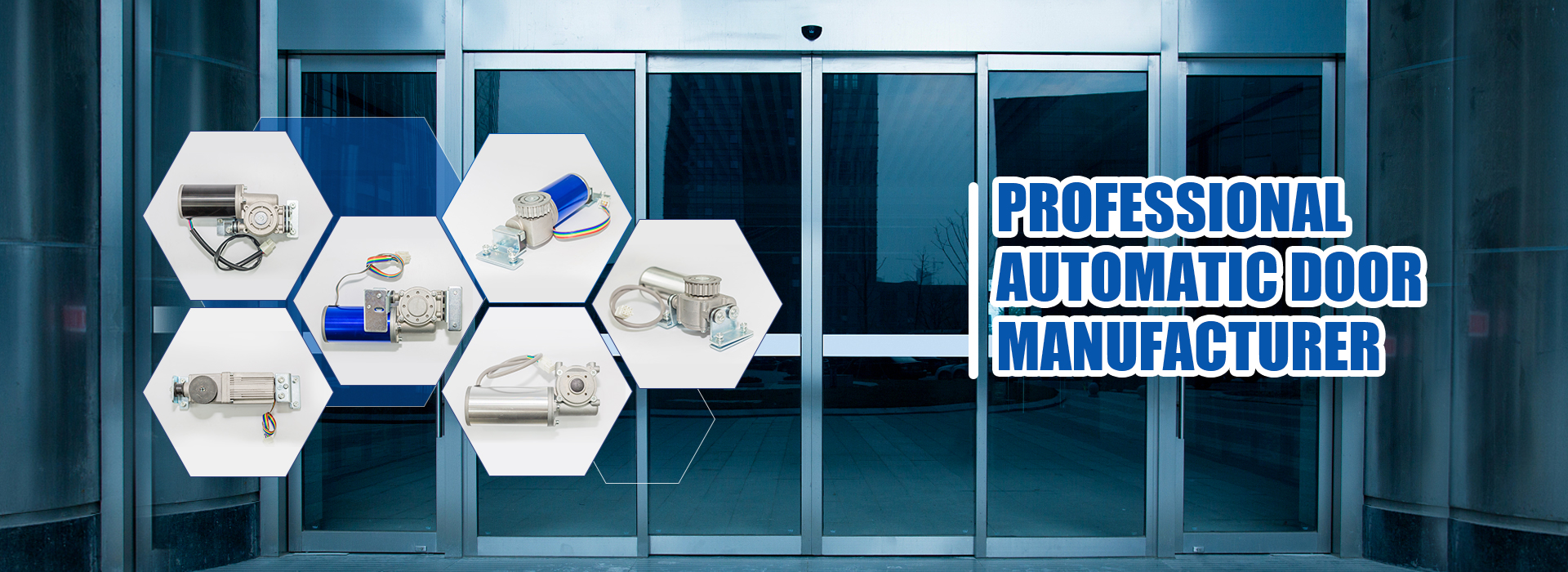
Ningbo Yufan Beifan Automatic Door Co., Ltd. specializes in the manufacture of automatic hermetic door systems engineered for these demanding applications. Their product line includes automatic sliding door operators and 24V brushless DC door motors that form the mechanical backbone of hermetic door assemblies in healthcare facilities worldwide. When reviewing a hermetic door manufacturer’s technical data sheets, look specifically for test pressure differential values, measured leakage rates per unit length of seal, and the number of test cycles completed before the measurement was taken.
The Cycling Durability Factor
A specification that is frequently overlooked is the door’s cycling durability — the number of open-close cycles the hermetic seal maintains its rated performance. Hospital doors are high-traffic components. A busy OR suite might see 50–100 door cycles per day during peak surgical schedules. Over a 10-year operational lifespan, that translates to 150,000–300,000 cycles.
ANSI/BHMA A156.10 (American National Standard for Power Operated Pedestrian Doors) establishes minimum cycle requirements, but hospital-grade hermetic doors often exceed these by a significant margin. Look for suppliers who certify their doors to 500,000 cycles or more at full seal pressure, with third-party independent testing verification. Doors that degrade significantly in sealing performance after 100,000 cycles represent a hidden liability — the seal appears intact visually, but pressure monitoring may reveal progressive leakage that goes undetected until it becomes a compliance issue.
HEPA Filter Compatibility: More Than a Filter Attachment Point
High-Efficiency Particulate Air (HEPA) filters are specified to capture 99.97% of particles ≥ 0.3 microns in size. In modern hospital ORs, HEPA filtration is integrated into the HVAC supply system, and the room’s air changes per hour (ACH) — typically 20–25 ACH for Class B ORs and 40+ ACH for Class A/ISO 5 environments — are maintained through continuous air supply and exhaust systems.
The connection between an automatic hermetic door and HEPA filter compatibility is indirect but critical: the door’s sealing performance directly affects the room’s ability to maintain the airflow volumes that make HEPA filtration effective. If the door leaks, the pressure cascade weakens, the supply HEPA system must work harder to maintain positive pressure, and filter lifecycle shortens due to increased volumetric load. In severe cases, an improperly sealed hermetic door can create negative pressure in the OR — effectively pulling contaminated air through the HEPA filter’s bypass pathways or through gaps in the door frame itself.
HEPA filter compatibility for a hermetic door assembly also includes considerations for:
Door surface materials: The door panel itself should be constructed from materials compatible with hospital-grade disinfectants, including hydrogen peroxide vapor (HPV) and vaporized hydrogen peroxide (VHP) fogging protocols used for terminal cleaning and OR turnover. Surfaces must be non-porous, smooth, and resistant to corrosion. Stainless steel (SS 304 or SS 316L grade) or powder-coated aluminum are standard choices. An automatic hermetic door supplier should provide documented compatibility data for the major hospital sterilization agents.
Seal material outgassing: The elastomeric seals used in hermetic door perimeters must meet ISO 14644-1 cleanliness standards for particle emissions. Off-gassing from low-quality seal materials can introduce volatile organic compounds (VOCs) into the surgical environment, complicating air quality compliance. Suppliers should provide outgassing test certificates per ASTM D5116 or equivalent methodology.
Integration with room pressure monitoring systems: Modern hospital ORs are equipped with continuous room pressure monitors (Differential Pressure Monitors, or DPMs) that log pressure data in real-time and trigger alerts when the cascade falls below threshold. The best automatic hermetic door suppliers design their doors with auxiliary contacts or digital output signals that integrate directly with building automation systems (BAS) such as BACnet or Modbus. This allows the door’s status (open/closed/locked) to be correlated with pressure readings, providing a forensic record if pressure events occur during surgery.
Hospital HVAC Standards and ISO 14644 Compliance
ISO 14644-1:2015 (Cleanrooms and associated controlled environments — Part 1: Classification of air cleanliness by particle concentration) establishes the air cleanliness classifications for hospital clean environments. Operating rooms are typically classified as ISO Class 7 (Class 10,000) as a minimum, with many modern facilities targeting ISO Class 5 (Class 100) for the immediate surgical zone.
To maintain ISO classification compliance, the OR’s ventilation system must deliver the specified air change rate while the room pressure remains positive relative to adjacent spaces. Any doorway — whether manual or automatic — represents a disruption to the pressure seal. The cumulative effect of poorly sealed doors in a surgical suite can prevent a facility from achieving its target ISO classification during audits, with direct consequences for accreditation.
ASHRAE 170 (Ventilation of Health Care Facilities) provides detailed ventilation requirements that complement ISO 14644. The standard specifies outdoor air supply rates, filtration stages, temperature and humidity ranges, and pressure relationships. An automatic hermetic door supplier whose products are not validated against ASHRAE 170 and ISO 14644 criteria presents a compliance risk that may not become apparent until a regulatory inspection or accreditation survey.
When evaluating a hermetic door manufacturer, request:
- Independent laboratory test reports showing air leakage rates at differential pressures of 25 Pa, 50 Pa, and 100 Pa
- Cycling durability test results with post-cycle leakage measurements
- ISO 14644 particle emission classification for door component materials
- Integration documentation for common hospital BAS platforms
Infection Control Requirements: What Standards Mandate
Hospital infection control is governed by overlapping regulatory frameworks that vary by country but share common objectives. In the United States, CMS (Centers for Medicare & Medicaid Services) Conditions of Participation for Hospitals (42 CFR Part 482) require that operating rooms maintain positive pressure. The Joint Commission, through its IC.02.02.01 standard, mandates that the hospital manages risks related to infection prevention.
In Europe, EN 13790-1 (Ventilation for buildings — NON-RESIDENTIAL BUILDINGS — Performance requirements for ventilation and room conditioning) and national appendices (such as Germany’s VDI 6022 for hygiene in ventilation and air conditioning) set specific requirements. In Asia, China’s GB 51039-2014 (Code for fire protection design of buildings) and YY 0567-2016 (Medical electrical equipment — Particular requirements for safety and essential performance of surgical lamps) address related aspects.
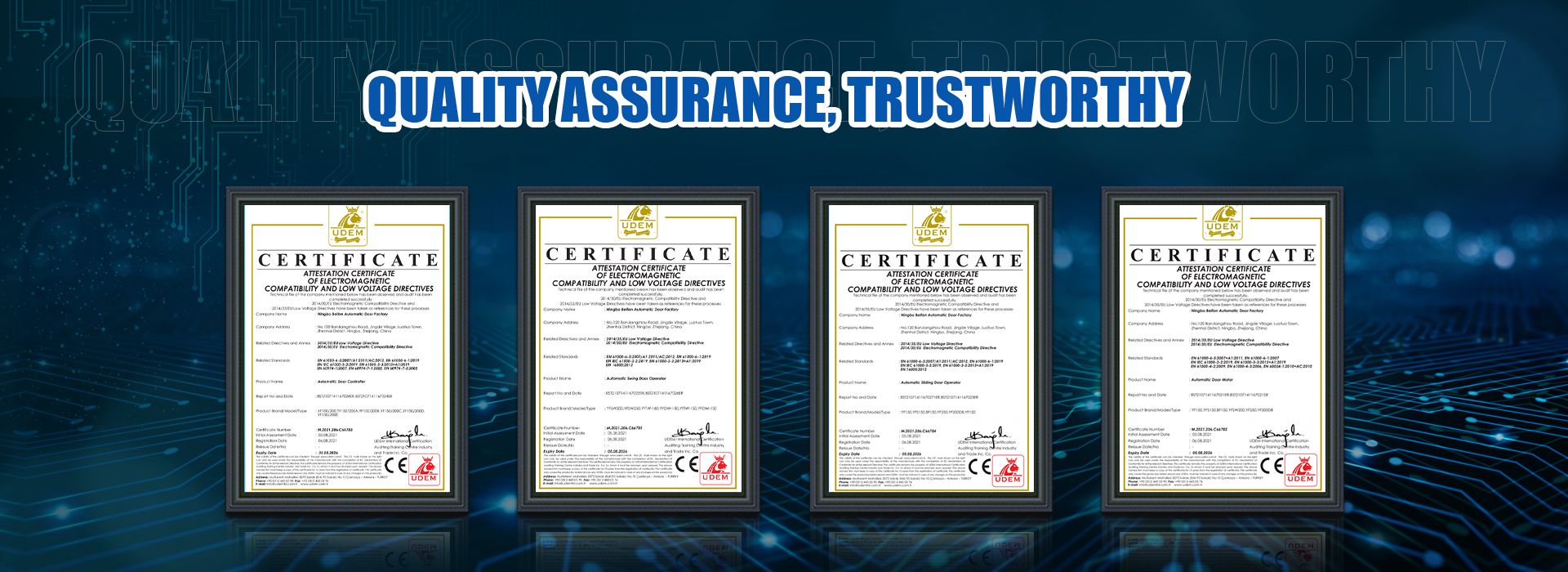
The practical implication for procurement managers is that any automatic hermetic door supplier seeking to serve the hospital market must produce documentation that maps their product’s performance to these standards. A supplier who provides only a CE marking but no application-specific test data for healthcare environments is a red flag. The documentation package should include:
- Air leakage test reports from an accredited third-party testing laboratory
- Fire resistance rating (typically E 90 or E 120 for hospital corridor doors, per EN 1634-1)
- Acoustic performance rating (STC 35 minimum for OR doors to reduce sound transmission between rooms)
- Electrical safety certification per IEC 60601-1 for medical device electrical safety
The Automatic Hermetic Door Specification Checklist for Procurement Teams
Armed with the technical understanding above, procurement teams and hospital planners can use the following checklist when evaluating an automatic hermetic door supplier for operating room applications:
Seal Performance
- Static seal pressure: ≥ 50 Pa (verify with third-party test report)
- Air leakage rate: ≤ 0.5 m³/(m·min) at 50 Pa differential
- Leakage rate at 100,000 cycles: report same or better than initial value
- Leakage rate at 500,000 cycles: document retention of ≥ 90% of initial sealing performance
HEPA and HVAC Integration
- Door status output signal for BAS integration (dry contact, RS485, or IP-based)
- Compatibility with VHP/H₂O₂ fogging protocols (documented test data)
- Seal material outgassing certificate per applicable standard
Standards Compliance
- ISO 14644-1 cleanroom classification support documentation
- ASHRAE 170 compliance mapping
- EN 1026 / EN 12427 or ASTM E283 air leakage test reports
- IEC 60601-1 electrical safety certification
Operational Durability
- Certified cycle life: ≥ 500,000 cycles at rated seal pressure
- Motor: 24V DC brushless motor (for low heat emission and reliability)
- Mean time between failures (MTBF): ≥ 100,000 hours for the operator unit
Supplier Credentials
- Documented experience supplying hospitals or surgical centers
- OEM/ODM capability for custom sizing and integration
- Technical support and on-site commissioning capability
Surgical Room Automatic Door Design Considerations
Beyond the technical specifications, there are practical design considerations that affect the performance of automatic hermetic doors in surgical settings.
Door clear opening width: Operating rooms must accommodate the movement of hospital beds, imaging equipment, and surgical instrument tables. The door opening must meet minimum width requirements per FGI guidelines — typically a minimum clear opening width of 1220 mm (48 inches) for general ORs. Hermetic door assemblies with insufficient clear opening create bottlenecks that delay case turnover and increase door cycling frequency.
Activation and sensing systems: The automatic door’s motion sensor and activation system must function reliably in the presence of surgical staff in sterile gowns, anesthesia equipment, and equipment booms. Standard infrared motion sensors can experience false activations or failure to detect personnel approaching from certain angles. Many hospital-grade automatic hermetic doors use a combination of active infrared sensors, floor mat sensors, and RFID-based staff badges to ensure reliable activation while preventing accidental door cycling during procedures.
Manual override capability: Fire codes and hospital safety regulations require that doors in egress pathways be manually openable without power. For hermetic doors maintaining pressure cascade, this manual override must not compromise the seal when returned to the closed position. Fail-safe mechanisms that automatically open the door during power loss (common in commercial doors) are generally not acceptable in OR applications — the door should remain closed during power loss and be operable manually via a fails-manual mechanism.
Acoustic performance: OR acoustics are critical for communication during surgery. The door assembly should provide acoustic attenuation of at least STC 35, preventing sound transmission from corridors that could distract surgical teams or allow conversations to be overheard outside the room.
Ningbo Yufan Beifan: Capabilities and Product Range
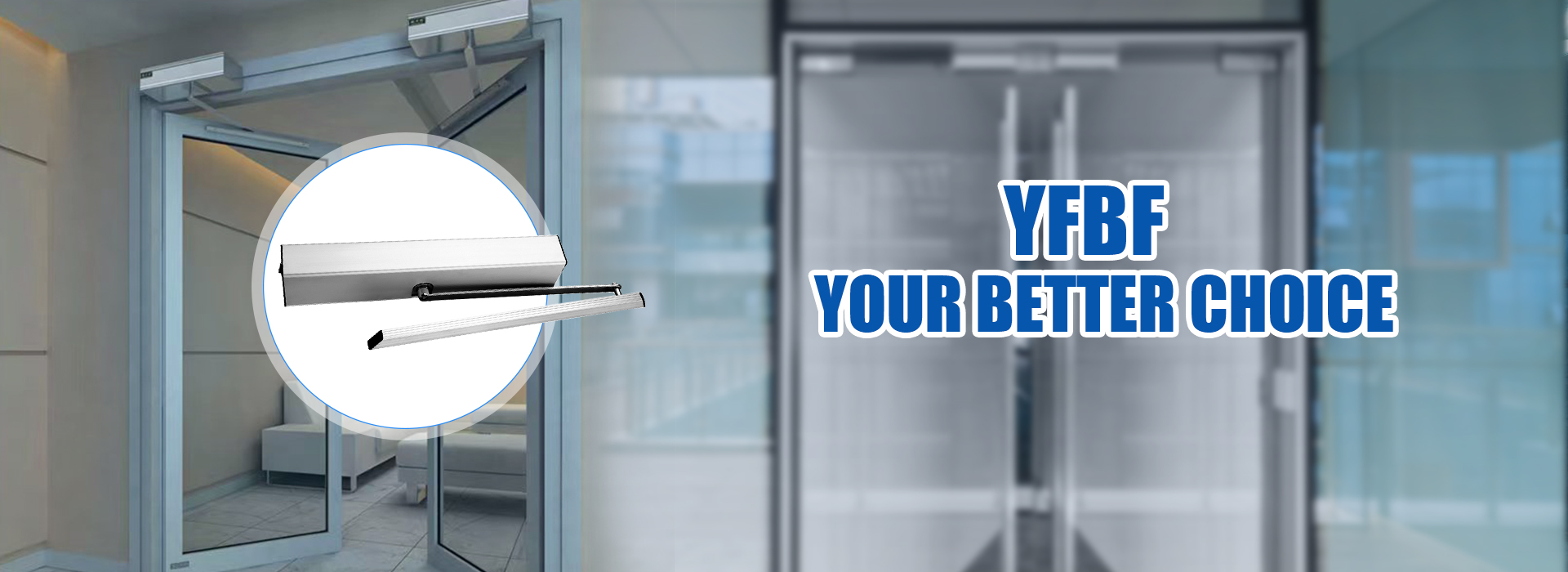
Ningbo Yufan Beifan Automatic Door Co., Ltd. brings specialized expertise in automatic door system research, development, and manufacturing to the hospital operating room market. Their core product portfolio for healthcare applications includes:
- Automatic hermetic door assemblies designed for air-tight seal performance in excess of 50 Pa differential pressure
- Automatic sliding door operators incorporating 24V brushless DC motors engineered for high-cycle durability
- Door motor and sealing accessories for system integration and replacement parts
- OEM and ODM custom solutions enabling hospital architects and specifiers to configure door dimensions, seal configurations, and integration interfaces to match specific project requirements
The company’s global project inquiry and OEM/ODM services support hospital project procurement clients worldwide, with a track record of supplying automatic door systems for commercial, public facility, and industrial applications alongside specialized healthcare projects.
For project procurement clients seeking a reliable automatic hermetic door supplier for hospital operating room applications, Yufan Beifan’s combination of manufacturing expertise, high-performance motor technology, and custom engineering capability positions them as a qualified candidate for healthcare door system sourcing.
How to Engage a Hospital-Grade Hermetic Door Supplier
The procurement process for hospital-grade hermetic doors differs from standard commercial door purchasing. The following steps constitute best practice for engaging an automatic hermetic door supplier:
- Define the specification: Before soliciting quotes, establish the seal pressure requirements, cycle life expectations, integration requirements (BAS protocol, monitoring system), and applicable standards (ASHRAE 170, ISO 14644, IEC 60601-1) in written form.
- Request a technical data package: A qualified supplier should provide third-party test reports, material certificates, integration documentation, and installation guidelines as part of the standard quotation package. Be skeptical of suppliers who provide only promotional literature without accompanying test documentation.
- Verify third-party testing: All air leakage, cycling durability, and fire resistance claims should be backed by reports from accredited laboratories. Ask for the laboratory name, accreditation body (such as ISO 17025), and report reference numbers.
- Conduct a reference check: Request three to five healthcare project references from the supplier, including project name, location, door specification delivered, and installation date. Follow up with the facility’s infection control or biomedical engineering team.
- Clarify commissioning and after-sales support: Hospital-grade hermetic door installation requires commissioning by factory-trained technicians who understand the integration with HVAC and BAS systems. Confirm that the supplier provides on-site commissioning, operator training, and a spare parts inventory program for the expected 10–15 year operational life of the door.
Common Mistakes When Selecting a Hermetic Door Supplier
Despite the high stakes, several recurring procurement mistakes compromise hospital OR hermetic door performance:
Selecting based on price alone: Low-cost hermetic doors frequently use lower-grade elastomeric seals, less robust motor assemblies, and lack the third-party testing verification that validates long-term performance. The cost of a failed hermetic door in an OR — measured in accreditation risk, infection liability, and replacement expense — far exceeds any initial procurement savings.
Assuming standard commercial door certifications apply: CE marking and general commercial door certifications are necessary but not sufficient. Hospital applications require application-specific test data that most general commercial door suppliers cannot provide.
Overlooking seal degradation over time: Initial seal performance and sustained performance after 100,000+ cycles are different specifications. Always review the cycling durability test data, not just the initial performance numbers.
Failing to coordinate with the HVAC design team: The hermetic door’s performance is interdependent with the HVAC system’s ability to maintain pressure cascade. The door specification should be developed in coordination with the mechanical engineer of record, not in isolation.
Neglecting integration with existing building systems: A door that cannot communicate its open/closed status to the building automation system creates a blind spot in the hospital’s room pressure monitoring. Verify BAS integration capability before finalizing the specification.
The Future of Hospital Hermetic Door Technology
Hospital design and infection control practices are evolving rapidly, and hermetic door technology is keeping pace. Several trends are shaping the next generation of hospital-grade automatic hermetic doors:
Smart door monitoring: Integrated sensors that measure seal pressure in real time and report degradation before it becomes a compliance issue are moving from concept to production. These predictive maintenance capabilities reduce unplanned downtime and provide continuous documentation of OR pressure integrity.
Touchless activation refinement: Post-pandemic demand for touchless interfaces has accelerated research into voice-activated, gesture-controlled, and advanced radar-based activation systems for hospital doors, reducing the risk of contact transmission without compromising reliable operation.
Antimicrobial surface coatings: New generations of door surface materials incorporating antimicrobial agents (such as copper-based coatings, which have demonstrated continuous antimicrobial efficacy per EPA registration) are being incorporated into hermetic door panels to provide an additional layer of infection control at the room boundary.
Energy recovery integration: Some advanced hermetic door frame assemblies now incorporate heat recovery elements in the door frame perimeter, reducing the HVAC load associated with maintaining OR temperature and humidity setpoints — a meaningful efficiency gain for high-ACH surgical spaces that operate 24/7.
Conclusion: The Supplier Relationship as a Long-Term Partnership
Selecting an automatic hermetic door supplier for hospital operating rooms is not a transactional procurement decision — it is the beginning of a long-term partnership that directly affects patient safety, regulatory compliance, and operational efficiency. The most successful hospital procurement programs treat their hermetic door suppliers as engineering partners, engaging them early in the design phase to optimize door specification, integration, and commissioning.
Ningbo Yufan Beifan Automatic Door Co., Ltd. offers the technical depth, manufacturing capability, and global service infrastructure that hospital project procurement clients require. Whether you are equipping a new surgical suite, renovating an existing OR to meet updated ISO 14644 and ASHRAE 170 standards, or sourcing a reliable OEM/ODM partner for a multi-facility hospital program, Yufan Beifan’s automatic hermetic door solutions are engineered to meet the most demanding air-tight seal pressure and HEPA filter compatibility requirements of modern hospital operating rooms.
Author: Edison
Title: Sales Manager, Ningbo Yufan Beifan Automatic Door Co., Ltd.
Bio: Edison — Sales Manager, Ningbo Yufan Beifan Automatic Door Co., Ltd. Ningbo Yufan Beifan Automatic Door Co., Ltd. specializes in automatic door system R&D and manufacturing. Core products include automatic sliding door operators, 24V brushless DC door motors, and accessories, widely used in commercial buildings, public facilities, and industrial sites. Edison manages global project inquiries and OEM/ODM custom solutions, supporting distributors and project procurement clients worldwide.
Contact: https://www.yfbfautomaticdoor.com/contact-us/
Product Links:
Post time: Jun-03-2026