
- Choose a supplier by application fit, not by motor wattage alone.
- High-traffic entrances usually need a complete operator, not a single drive unit.
- Compatibility with access control and spare parts availability affects total ownership cost.
- Verified standards and test methods matter more than sales claims.
- Global buyers should request installation limits, cycle ratings, and service documentation before ordering.
For buyers comparing an automatic door supplier, a China door manufacturer, and an automatic door factory, the key question is whether the system can meet the site’s real operating load. Commercial entrance automation often relies on precise control and repeatable motion, and in motion systems, accuracy and durability are not marketing terms but measurable requirements. For reference, ISO 230-1:2022 defines test conditions for machine tool positioning accuracy, while building-access applications typically focus on cycle life, response speed, and safe force limits. This guide explains how to evaluate products, read specifications, and avoid the most common sourcing mistakes.
What an automatic door supplier should really deliver
The best supplier delivers a complete entrance system, not only a box of parts.
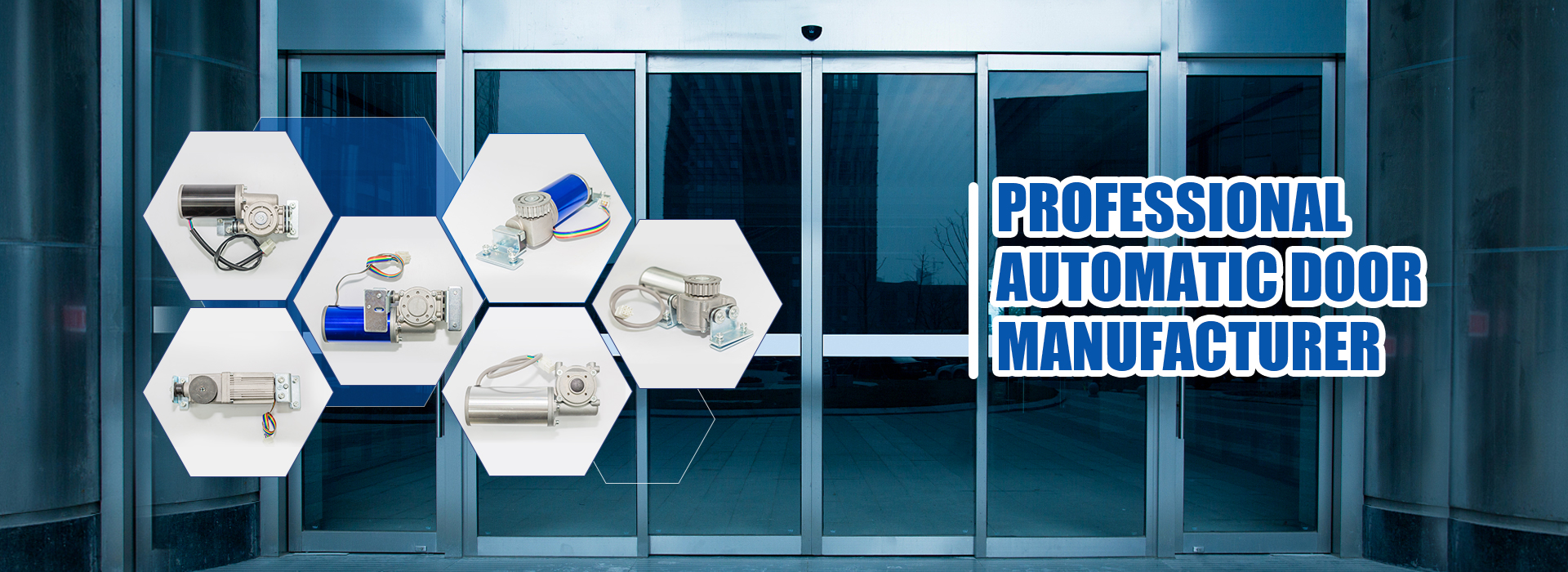
In commercial procurement, buyers often focus on the motor first, but an automatic door system works as a coordinated set: drive unit, controller, sensor, rail or arm, power interface, and safety logic. That distinction matters because an automatic door motor alone cannot define performance if the controller logic and sensing package are weak. A complete automatic door operator is usually the better fit for engineering projects because it reduces integration risk and shortens commissioning time.
This is especially important in glass door retrofit projects, where the door leaf weight, hinge condition, opening angle, and mounting space all affect feasibility. In office lobbies, clinics, and retail stores, the goal is smooth movement, stable response, and fewer service calls. Buyers should ask for door type compatibility, maximum leaf weight, opening width, duty cycle, and accessory options before comparing quotations.
| Buyer question | Why it matters | What to request |
|---|---|---|
| Is it a motor or a full operator? | Integration risk changes cost and schedule | Controller, sensor, rail, arm, and wiring details |
| What door type is supported? | Sliding and swing systems have different mechanics | Sliding, swing, glass retrofit, or access-control package |
| What is the service plan? | Downtime drives lifetime cost | Spare parts list, lead time, and installation guide |
Automatic door supplier selection for sliding, swing, and glass retrofits
Door type is the first filter in supplier selection.
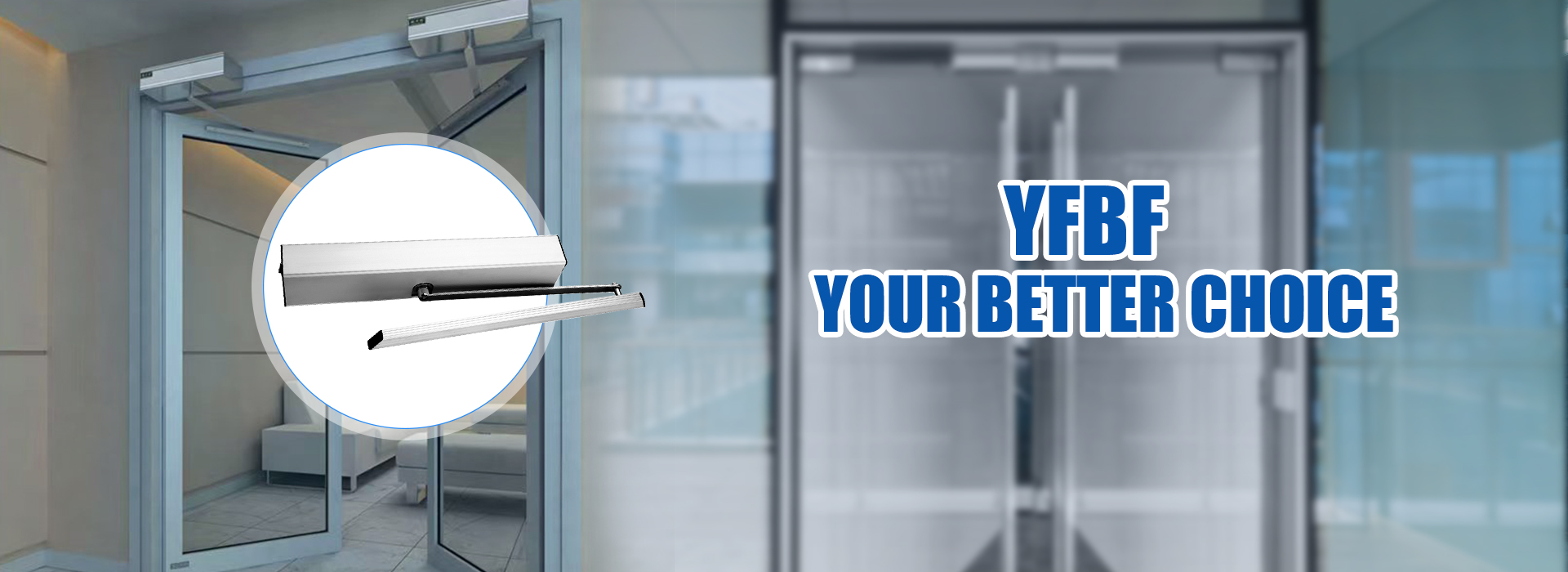
An automatic sliding door is typically the right choice for high-traffic entrances with wider openings, such as hospitals, supermarkets, and office towers. Sliding systems are favored because they keep the path clear and can handle repeated cycles with good traffic flow. An automatic swing door is more suitable when the entrance space is limited or the existing door structure is already hinged. For interior corridors, clinics, and smaller offices, swing automation may be easier to install and maintain.
Glass door automation retrofit sits between these categories. The door already exists, so the question is not only movement but compatibility. The supplier must confirm mounting method, load capacity, door thickness, and safety sensor coverage. Buyers who skip this step often face unstable opening behavior, noisy operation, or repeated rework after installation.
For this reason, it is helpful to review dedicated pages such as automatic sliding door operator, automatic swing door operator, and glass door automation when mapping project requirements to product structure.
| Door type | Best use case | Typical project risk | Decision signal |
|---|---|---|---|
| Sliding door | High traffic, wider entrances | Track alignment and sensor tuning | Choose when throughput matters most |
| Swing door | Limited space, interior access | Arm geometry and opening clearance | Choose when retrofit space is tight |
| Glass retrofit | Retail, office lobby, showroom | Compatibility with existing glass leaf | Choose when appearance and access are both critical |
Technical specifications that global buyers should verify
Specifications only matter when they map to the actual site load.
When a supplier lists opening speed, torque, or power, those values should be tied to the door size and use case. A commercial entrance in a hotel or hospital may require frequent cycling, while a small office entrance may prioritize quiet operation and smooth deceleration. Buyers should request the tested opening force, leaf weight range, opening speed, and power input, then compare those values against the project’s traffic profile.
Where standards apply, the documentation should also be clear about test methods. For example, ASTM C1364 covers glass block units, which is relevant when evaluating glazed entrance assemblies, and NIST Building Technology provides access to research on building performance and safety-related measurement methods. For access and egress design, American buyers often also review the general life-safety framework in local codes, but product procurement still depends on verifiable product data from the supplier.
| Specification item | What to verify | Why it matters |
|---|---|---|
| Opening speed | Measured in m/s or seconds per open cycle | Affects user flow and perceived responsiveness |
| Duty cycle | Cycles per day or continuous usage rating | Determines suitability for retail or hospital traffic |
| Load range | Door leaf weight and width limits | Prevents premature wear and poor alignment |
| Power input | Voltage, frequency, and current | Impacts installation and regional compatibility |
In practice, the most valuable numbers are not the highest numbers but the ones that stay stable under repeated use. If a supplier cannot explain how a product performs at peak cycle demand, the quotation is incomplete.
Why access control integration changes the buying decision
Access-control compatibility is now a core requirement for most commercial entrances.
Automatic doors are rarely sold as isolated devices in office and medical buildings. They are usually part of a wider entrance ecosystem that includes card readers, push buttons, sensors, keypad access, remote control modules, and emergency release logic. That is why a buyer should assess whether the supplier supports door operator integration with access control rather than treating it as an optional add-on.
In offices, integration affects visitor flow and security. In hospitals and clinics, it also affects hygiene and accessibility. In retail, it influences open-close timing and customer convenience. A supplier that can provide compatible accessories often reduces commissioning time and lowers the risk of field improvisation.
For project teams, this is where accessory pages matter. Review automatic door accessories and access control system to confirm whether the system can support your site architecture, including readers, sensors, and fail-safe behavior.
How to compare a China door manufacturer on quality, not price alone
Price comparison without verification usually produces the wrong winner.
International buyers often see many similar quotations from a China door manufacturer, but low unit price can hide weak documentation, inconsistent accessory supply, or poor post-sale support. A better comparison model is to review technical completeness, packaging, lead time, spare parts strategy, and installation guidance. The cheapest product can become the most expensive if it causes rework or repeated service visits.
A practical sourcing review should include at least four checks. First, confirm whether the product family is standardized or custom-built. Second, verify whether the supplier can provide drawings, wiring diagrams, and installation notes. Third, ask for spare part availability by model. Fourth, test response quality on a sample or pilot unit before placing a full order.
- Request product drawings and electrical diagrams before payment.
- Confirm the exact door type and door leaf limit.
- Ask for recommended sensors and control options.
- Check spare part lead time and replacement policy.
- Run a pilot installation if the project is high value or high traffic.
For buyers searching an automatic door factory, the best signal is consistency across the product family, not a single impressive sample.
Standards, safety, and the details that reduce liability
Safety documentation is part of product quality.
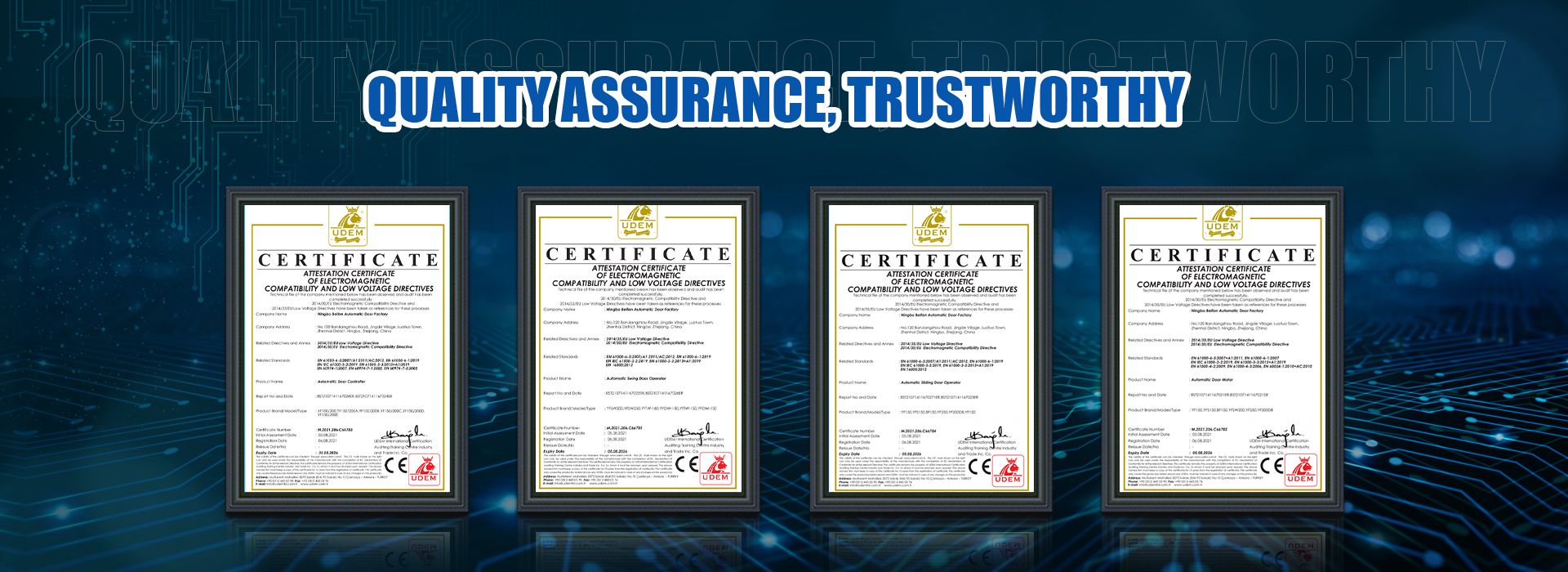
Automatic door systems affect people movement, so the supplier should be able to explain sensing, deceleration, obstruction response, and emergency behavior. The most persuasive technical files are not promotional brochures but clear evidence of tested behavior and standard references. For motion and test discipline, buyers can use ISO 13850 as a reference for emergency stop principles in machinery, and OSHA walking-working surfaces as a reminder that entrances must support safe passage and slip-aware design. If the project includes glazed assemblies, the supplier should also explain the door edge protection and sensor coverage strategy.
The point is not that every automatic door project must follow one single standard set. The point is that buyers should insist on a standards-aware answer when asking about safety, force limitation, obstruction reaction, and maintenance access. If the answer is vague, the installation risk is usually higher than the quotation suggests.
| Safety topic | Buyer check | Risk if ignored |
|---|---|---|
| Obstruction response | Does the door stop or reverse? | Pinch risk and complaints |
| Sensor coverage | Is the detection zone mapped? | Late opening or accidental closing |
| Emergency behavior | Manual escape path and fail-safe logic | Non-compliance and liability exposure |
Maintenance, spare parts, and downtime economics
Maintenance strategy often decides the real cost of ownership.
In entrance automation, a product with strong spare-part support can outperform a cheaper alternative over time. That is particularly true in hospitals, retail stores, and office towers where downtime directly affects user experience and operating cost. Buyers should ask how quickly consumables, sensors, controllers, belts, and operators can be replaced, and whether the same model family shares parts across multiple configurations.
This is one reason model standardization matters. If a supplier uses clear naming, project teams can match the product to the correct door type faster and reduce the chance of ordering the wrong replacement. A standardized page structure also helps after installation, when the maintenance team needs to identify compatible components quickly.
In most commercial settings, the most expensive failure is not the part itself but the disruption caused by waiting for the part.
- Keep a list of wear components by model.
- Track installation date and cycle intensity.
- Check sensor cleaning intervals in dusty or humid sites.
- Store the wiring diagram with the site handover file.
For after-sales planning, visit automatic door opener and company profile to understand how product structure and service documentation are organized across the site.
How global buyers should evaluate an automatic door factory
The factory audit should focus on repeatability, documentation, and service readiness.
When buyers visit or evaluate an automatic door factory, the goal is not to admire machinery; the goal is to verify whether the factory can produce consistent units, support technical questions, and ship the correct accessories with each order. A capable factory should be able to explain product segmentation, show model differences, and provide installation guidance that a contractor can use in the field.
Useful questions include whether the company offers complete door operators, whether it has separate pages for applications and accessories, and whether product families are organized by door type. A supplier that communicates clearly across product, project, and maintenance use cases is usually easier to work with for international procurement teams.
One practical sign of maturity is whether the supplier’s content architecture matches real buying behavior: model pages, application pages, accessory pages, and support pages. That structure reduces confusion for engineers, distributors, and end users alike.
Common mistakes global buyers make when sourcing automatic door systems
The most common mistake is selecting on catalog appearance instead of field requirements.
Another frequent mistake is ordering the operator before confirming the door weight, installation space, and access-control needs. A third mistake is ignoring spare parts until after commissioning. These errors usually show up later as noise, unstable opening speed, poor sensor sensitivity, or repeated service calls. The way to avoid them is to treat the sourcing process as a system-design task, not a simple procurement event.
- Do not buy before confirming door type and load.
- Do not assume a motor-only listing equals a complete solution.
- Do not skip spare parts and wiring documentation.
- Do not forget to verify local voltage and installation conditions.
If the project is a retrofit, include the existing door condition in the evaluation. If it is a new build, include traffic profile and maintenance access in the specification. These are small details, but they have large consequences.
Frequently asked questions about China automatic door supplier sourcing
What should I ask an automatic door supplier before placing an order?
Ask for door type compatibility, weight limits, opening width range, control options, accessory list, wiring diagram, and spare parts lead time.
Is an automatic door motor enough for a commercial project?
No. Most commercial projects need a complete operator with controller, sensors, mounting components, and integration guidance.
Which door type is best for hospitals and clinics?
Sliding doors are often preferred for high traffic and wider openings, while swing systems are useful where space is limited.
How do I compare two China door manufacturers?
Compare documentation quality, product standardization, accessory availability, service support, and sample performance rather than only price.
What is the biggest risk in glass door automation retrofit?
The biggest risk is compatibility with the existing glass leaf, mounting space, and sensor coverage.
Why does access control matter in automatic door projects?
Because it affects security, traffic flow, and the way the door behaves during daily operation and emergency use.
How can I reduce maintenance downtime?
Choose standardized models, keep spare parts on site, and ensure the supplier provides clear service documentation and wiring details.
Final buying advice for global procurement teams
The best automatic door sourcing decision is the one that matches application, not the one that simply looks cheapest.
If your project needs a reliable entrance for a retail store, office lobby, clinic, or commercial building, focus on the full system: operator, control logic, safety sensing, access integration, and spare-part support. A strong automatic door supplier should help you reduce installation uncertainty and long-term downtime. That is the real value behind a capable China door manufacturer or automatic door factory.
For buyers building a shortlist, the most useful pages are the product pages, the application pages, and the support pages. When those three layers align, purchasing becomes faster, installation becomes cleaner, and maintenance becomes easier to manage.

David Chen
Post time: Aug-11-2026