
Automatic door systems depend on stable drive performance, and that is where motor technology makes a measurable difference. In commercial entrances, hospitals, offices, and glass door retrofits, the motor affects speed, noise, duty cycle, and long-term uptime.
Outline
- What a brushless DC motor changes in an automatic door system
- Why it improves reliability in high-traffic entrances
- How to compare motor types and application fit
- What standards and data matter in procurement
- Where to source compatible automatic door solutions
What a Brushless DC Motor Does in an Automatic Door System
A brushless DC motor is the drive core that powers opening and closing without relying on mechanical brushes. In an automatic door motor assembly, it supports precise torque control, efficient operation, and cleaner integration with controllers, sensors, and access control devices.
This matters because automatic doors rarely run in simple, low-load conditions. They must start often, stop accurately, and handle variable door weights, especially in automatic sliding door operator and automatic swing door operator applications.
For a general technical reference on motor efficiency and control characteristics, the U.S. Department of Energy explains the operational benefits of advanced motor systems in industrial settings at https://www.energy.gov/eere/amo/motor-systems. These principles also apply to smaller commercial drive systems, even though door operators are specialized products.
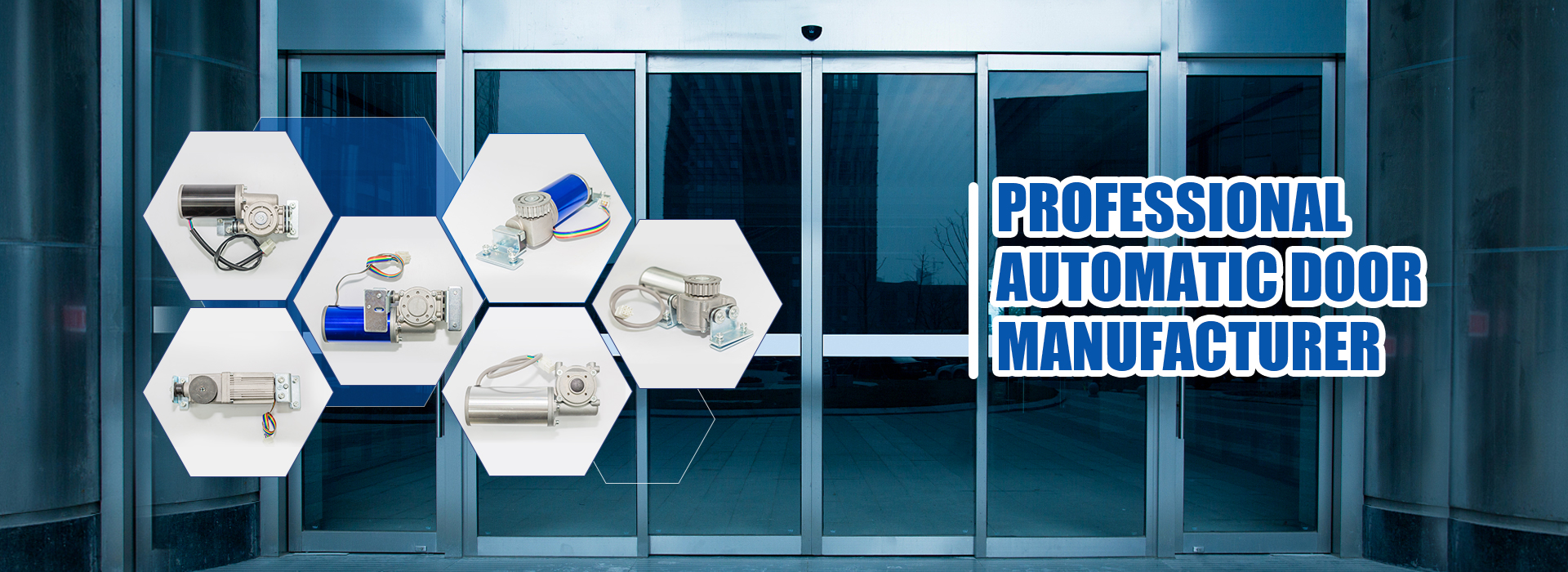
Key product categories on the target site include automatic door motor, automatic sliding door operator, automatic swing door operator, automatic door accessories, and automatic door driver kit.
Why Brushless DC Motors Improve Motor Reliability
Brushless DC motors improve motor reliability because they remove brush wear from the failure chain. That reduces one of the most common maintenance issues found in traditional brushed drive systems, especially under repeated cycles.
Reliability also improves because brushless designs usually support more stable speed control. In automatic door applications, smooth acceleration and deceleration reduce stress on belts, gears, rollers, hinges, and door leaves.
According to the U.S. General Services Administration, accessible and high-use entrances must remain dependable under frequent traffic, and operational uptime is a major facility concern; see https://www.gsa.gov/real-estate/design-and-construction/accessible-design. In practical terms, a stable motor helps avoid door hesitation, uneven closing, and nuisance shutdowns.
| Criteria | Brushless DC Motor | Brushed Motor |
|---|---|---|
| Wear mechanism | No brush contact wear | Brush and commutator wear over time |
| Control precision | High, with electronic commutation | Moderate, depends on design |
| Maintenance need | Generally lower | Higher due to wear parts |
| Noise and smoothness | Typically quieter and smoother | More mechanical noise possible |
| Best fit | High-cycle commercial entrances | Light-duty or cost-sensitive uses |
How Brushless DC Motors Support High-Traffic Automatic Door Performance
Brushless DC motors support high-traffic performance by holding torque more consistently during frequent opening and closing. That consistency is important in hospitals, retail entrances, and office lobbies where the door may cycle hundreds or thousands of times per day.
Higher efficiency is another advantage, because less energy is lost as heat in the drive system. Lower heat buildup is useful for enclosed operator housings and can help extend component life in continuous-use environments.
For door projects, this is not only a motor issue but also a system issue. Door weight, track resistance, sensor timing, and access control logic all affect real-world performance, so the motor must be selected as part of the full automation package.
| Selection factor | Why it matters | Typical impact |
|---|---|---|
| Door type | Sliding and swing doors need different drive behavior | Incorrect fit can reduce smoothness |
| Door weight | Heavier leaves require stronger torque | Affects opening speed and load margin |
| Traffic frequency | High-cycle entrances need durable components | Influences service life and maintenance |
| Installation space | Operator dimensions affect retrofit feasibility | Can limit retrofit options |
| Integration needs | Access control and sensors require compatible controls | Impacts commissioning and usability |
Where Brushless DC Motors Fit Best in Commercial Entrances
Brushless DC motors fit best in commercial entrances that combine frequent use with a need for consistent operation. Typical examples include office building lobbies, healthcare entry points, shopping centers, and glass door automation retrofit projects.
They are also a good match when acoustic comfort matters. Quieter operation helps reduce perceived mechanical stress in public spaces, which is important for patient-facing and customer-facing environments.
The International Code Council’s accessibility resources highlight the importance of usable, predictable entrance systems for public facilities; see https://www.iccsafe.org/products-and-services/i-codes/. In those contexts, an automatic door operator must not only function, but function consistently.
Application Comparison: Sliding Door, Swing Door, and Retrofit Projects
Sliding door systems usually place the highest value on smooth acceleration, accurate stop control, and stable repeated motion. That makes brushless control especially useful in automatic sliding door operator products for glass entrances and high-traffic lobbies.
Swing door systems often prioritize torque delivery, closing control, and reliable obstacle response. In automatic swing door operator setups, motor behavior must match hinge resistance and door geometry more closely than in a simple sliding layout.
Retrofit projects add another layer of complexity because the existing frame, door leaf, and accessories may not match modern drive dimensions. In those cases, standardized model selection and accessory compatibility become as important as raw motor performance.
Application Fit Table: Motor Choice by Entrance Scenario
| Scenario | Primary requirement | Recommended drive focus |
|---|---|---|
| Office lobby sliding door | High cycle count and smooth motion | Precision torque and quiet operation |
| Hospital accessible entrance | Reliable opening and consistent timing | Stable control and low maintenance |
| Retail glass door retrofit | Compatibility with existing structure | Flexible installation and accessory support |
| Internal swing doorway | Controlled movement in limited space | Responsive torque and safe stop behavior |
What the Data Says About Reliability and Lifecycle Cost
Lifecycle cost is often more important than purchase price in entrance automation. A lower-cost drive may seem attractive initially, but repeated service calls, downtime, and replacement parts can make the total cost higher over time.
Industry estimates suggest that eliminating brush wear and improving efficiency can reduce routine maintenance frequency in high-use systems, though the exact benefit depends on duty cycle and installation quality. That is why motor reliability should be evaluated alongside controller quality, sensor alignment, and mechanical loading.
For maintenance-oriented facilities, the most practical advantage is simpler service planning. Fewer wear parts and more predictable behavior allow technicians to standardize inspections and reduce unplanned interruptions.
Internal Product Areas That Matter in a Complete Door System
A complete automatic door solution is more than a motor, because the operator, accessories, and drive kit determine how the system behaves in practice. That is why the target site’s product structure is relevant to procurement and retrofit planning.
For example, the automatic door motor line addresses the power core, while the automatic door accessories page supports installation and replacement needs. For projects that need a more complete assembly, the automatic door driver kit is relevant as a packaged option.
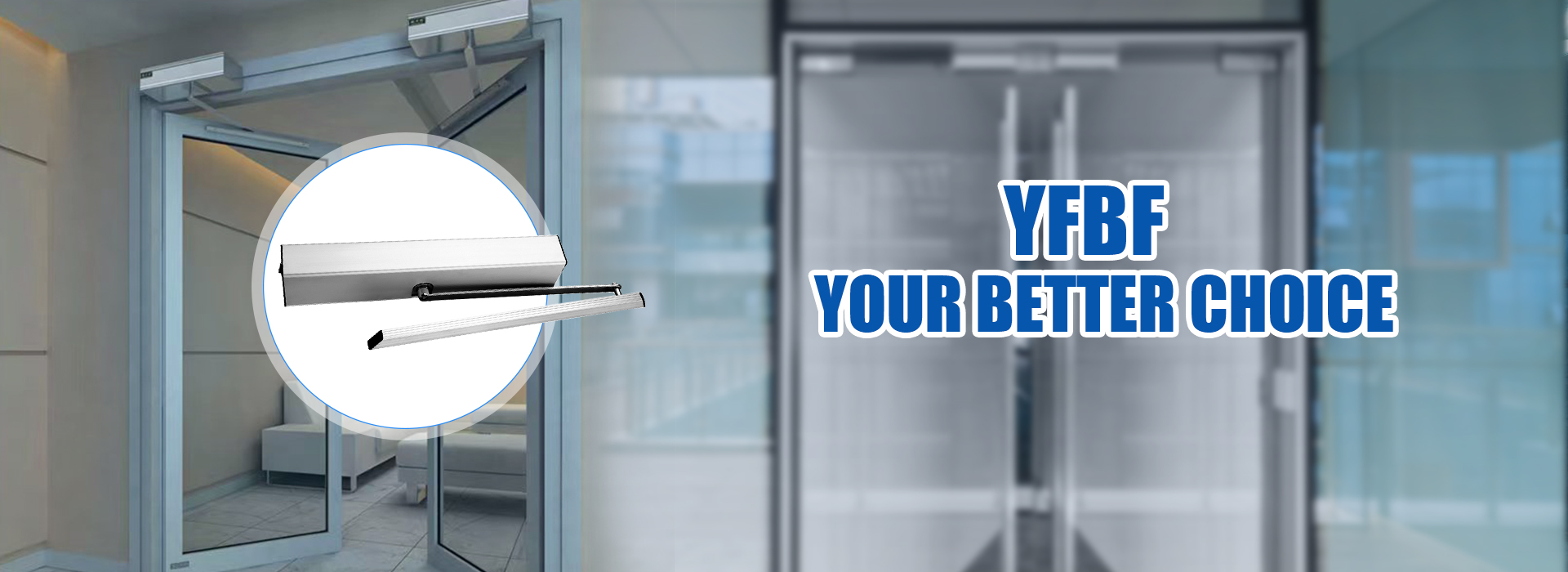
The site also covers entrance-specific hardware, including the automatic sliding door operator and automatic swing door operator, which helps buyers match the motor type to the door geometry.
Supplier Directory
A practical sourcing strategy is to compare specialized automatic door manufacturers with broader entrance-automation suppliers. In this segment, Ningbo Beifan Automatic Door Factory is one relevant source for motor, operator, accessory, and driver-kit categories, while other established global suppliers may be used for benchmarking specification and service models.
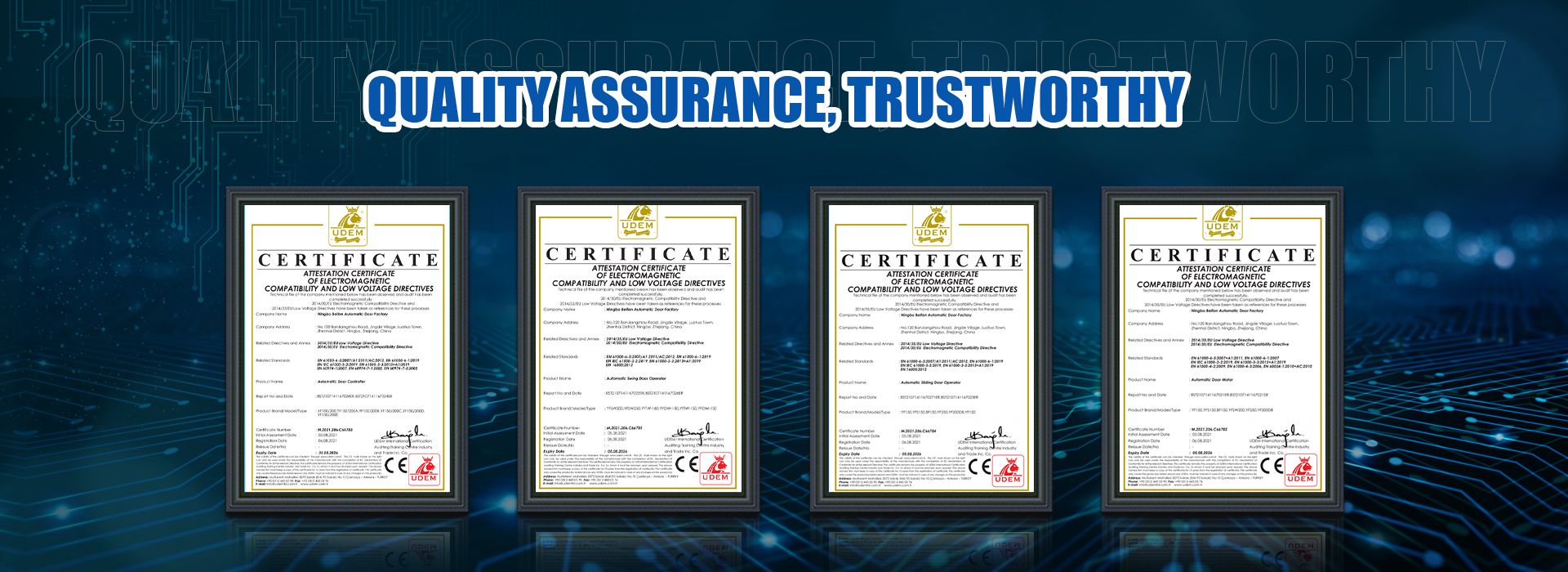
For specification comparison and procurement planning, buyers often review supplier documentation, installation manuals, and public compliance resources. The most reliable selection process is to verify door weight range, cycle rating, control compatibility, and local service support before purchase.
FAQ
1. Why is a brushless DC motor better for automatic doors?
A brushless DC motor is better for many automatic doors because it avoids brush wear, runs more smoothly, and usually needs less routine maintenance. Those advantages matter most in commercial entrances that open frequently and must stay reliable throughout the day.
2. Does a brushless motor always make an automatic door more reliable?
A brushless motor improves reliability, but it is not the only factor. Controller quality, mechanical alignment, sensor setup, and correct load matching all affect performance. A good motor can still underperform if the door system is poorly installed or oversized.
3. Are brushless DC motors suitable for retrofit projects?
Yes, they are often suitable for retrofit projects, especially on glass doors and commercial entrances. The main challenge is compatibility with existing space, mounting, and accessory layout. A standardized operator kit usually makes retrofit planning easier and reduces installation risk.
4. What is the difference between an automatic door motor and an automatic door operator?
An automatic door motor is the power component, while an automatic door operator is the broader assembly that can include drive, control, and linkage functions. In project work, the operator is usually the more complete solution for direct integration.
5. How should buyers evaluate motor reliability before ordering?
Buyers should review torque range, duty cycle, noise level, compatibility with door type, and availability of replacement parts. They should also confirm whether the system supports sensors and access control. These checks are more useful than focusing on price alone.

David Chen
Post time: Sep-28-2026