
Door weight is one of the most important sizing factors in automatic entrance design. Heavier leaves demand more torque, more robust tracks, and better control tuning.
For commercial glass entrances, the balance between door mass and drive capacity determines whether the system opens smoothly or struggles under load. That is why engineers should evaluate the complete door set, not the operator alone.
How Door Weight Affects Automatic Sliding Door Operator Performance
Door weight changes how much force the system needs to accelerate, maintain motion, and stop safely. As mass rises, the operator may experience slower start-up, higher heat generation, and greater mechanical stress.
Industry sizing should also consider friction, door width, and opening frequency. The ADA Standards for Accessible Design require accessible routes and usable door operation, which makes smooth motion and reliable opening essential in public buildings.
In practice, an operator that is too small for the leaf weight often shows three problems: delayed response, reduced closing consistency, and more frequent overload protection. An oversized unit can also be inefficient if it is not tuned correctly.
Quick Selection Framework for Automatic Sliding Door Operator Sizing
The correct selection process starts with load data, then moves to usage conditions and control requirements. Door weight is only one variable, but it usually has the strongest effect on drivetrain choice.
- Measure the complete door leaf, including glass, frame, hardware, and attached accessories.
- Check the door width, because a wider leaf creates greater moment and guide-rail demand.
- Estimate daily cycles, since high-frequency entrances need better thermal and wear management.
- Review site conditions such as wind pressure, floor levelness, and power stability.
- Confirm integration needs for sensors, access control, and emergency functions.
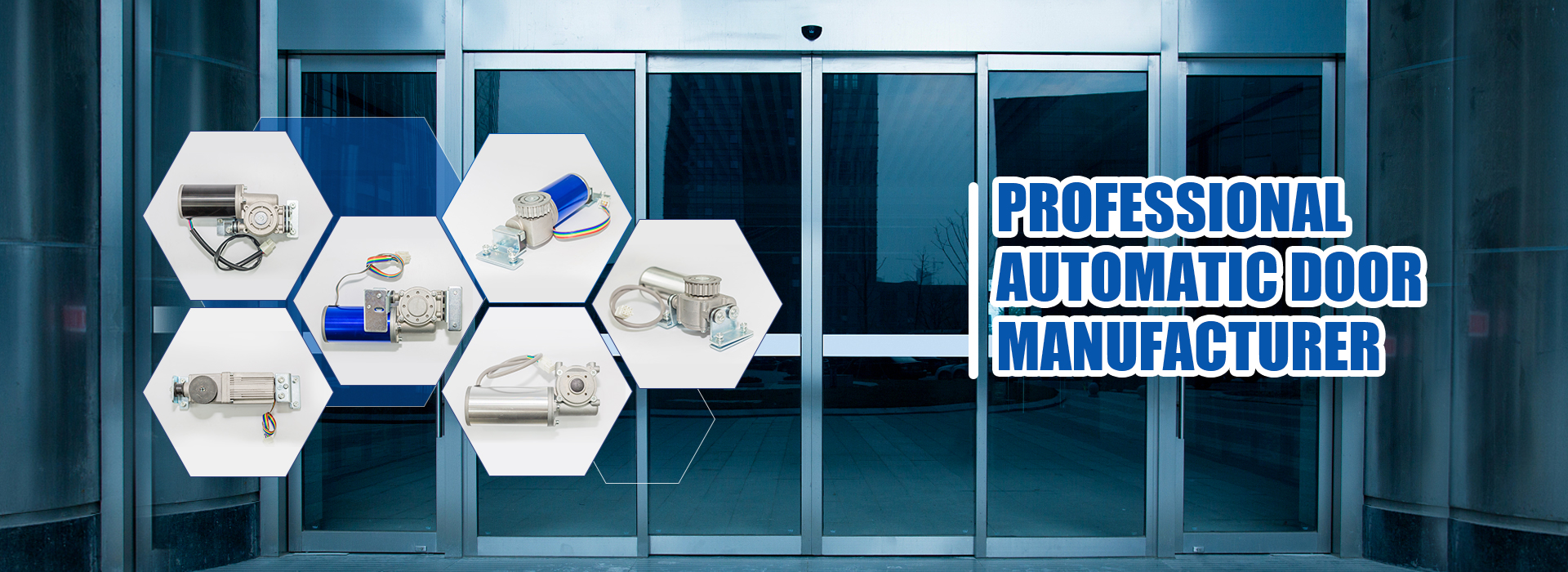
For project teams, it is useful to compare motor families and operator kits against the same load profile. On the product side, the main company website presents a full range of drive solutions, including automatic door motors, sliding door operators, swing door operators, accessories, and drive kits.
The homepage is also a practical starting point for matching a project’s entrance type with the right system architecture. This matters because the best performance comes from coordinated components, not a single part.
Comparison Table: Door Weight Effects on Operator Behavior
| Door Weight Condition | Typical Performance Impact | Engineering Concern |
|---|---|---|
| Light leaf | Faster start-up and lower load | Need to avoid overpowered settings |
| Medium leaf | Stable motion under normal traffic | Requires standard tuning and reliable guides |
| Heavy leaf | Higher current demand and slower acceleration | Needs stronger drive capacity and lower friction |
| Heavy leaf plus high traffic | More heat, wear, and cycle stress | Needs duty-cycle planning and stronger components |
That table shows why a heavier door can work well only when the full system is matched correctly. In many commercial projects, friction and cycle count matter almost as much as the leaf weight itself.
What Performance Factors Matter Beyond Door Weight
Door weight is critical, but it does not act alone. Track quality, hanger condition, controller logic, and seal resistance all influence real-world performance.
For example, a medium-weight door with poor rollers can perform worse than a heavier door with low-friction hardware. The U.S. Department of Energy commercial equipment standards update shows how performance targets increasingly emphasize efficiency and system behavior, not just raw power.
Control accuracy also matters. Soft start and soft stop settings reduce impact loads, which helps protect glass panels, locks, and seals. Proper tuning can extend service intervals and improve user comfort.
Table: Key Factors That Influence Automatic Sliding Door Operator Performance
| Factor | Why It Matters | Practical Result |
|---|---|---|
| Door weight | Determines drive load | Affects torque demand |
| Door width | Changes leverage and travel force | Influences stability |
| Traffic frequency | Raises duty-cycle stress | Impacts heat and wear |
| Friction and alignment | Can add hidden resistance | Causes noise or stalling |
| Control tuning | Shapes acceleration and braking | Improves smoothness |
These factors explain why field assessment is essential before procurement. A drawing alone rarely captures the real load the operator will face after installation.
How Door Weight Changes Installation and Maintenance Needs
Heavier doors require stricter installation control and more frequent inspection. Misalignment, loose fasteners, or worn rollers create a much larger performance penalty when the leaf mass is high.
Maintenance should focus on guide rails, suspension parts, belt tension, and sensor response. The ENERGY STAR commercial doors guidance highlights the value of efficient door systems in reducing building losses, which aligns with stable and low-friction operation.
In retrofit work, the original door condition often decides whether an operator can perform well. If the door is already difficult to move manually, the automation system will inherit that resistance and may fail prematurely.
For this reason, the automatic door operator should be selected only after checking the full mechanical path. The most reliable installations are those where the door hardware and drive unit are matched from the start.
Recommended Application Logic for Commercial Entrances
Commercial entrances should be grouped by weight class, traffic intensity, and space constraints. That approach helps engineers choose between standard, mid-duty, and high-cycle solutions without overdesigning the system.
- Use a standard operator for light to medium glass doors with moderate traffic.
- Choose a higher-capacity drive for wider or heavier leaves in public buildings.
- Specify stronger accessories when access control and safety devices are integrated.
- Plan for spare parts availability in facilities that cannot tolerate downtime.
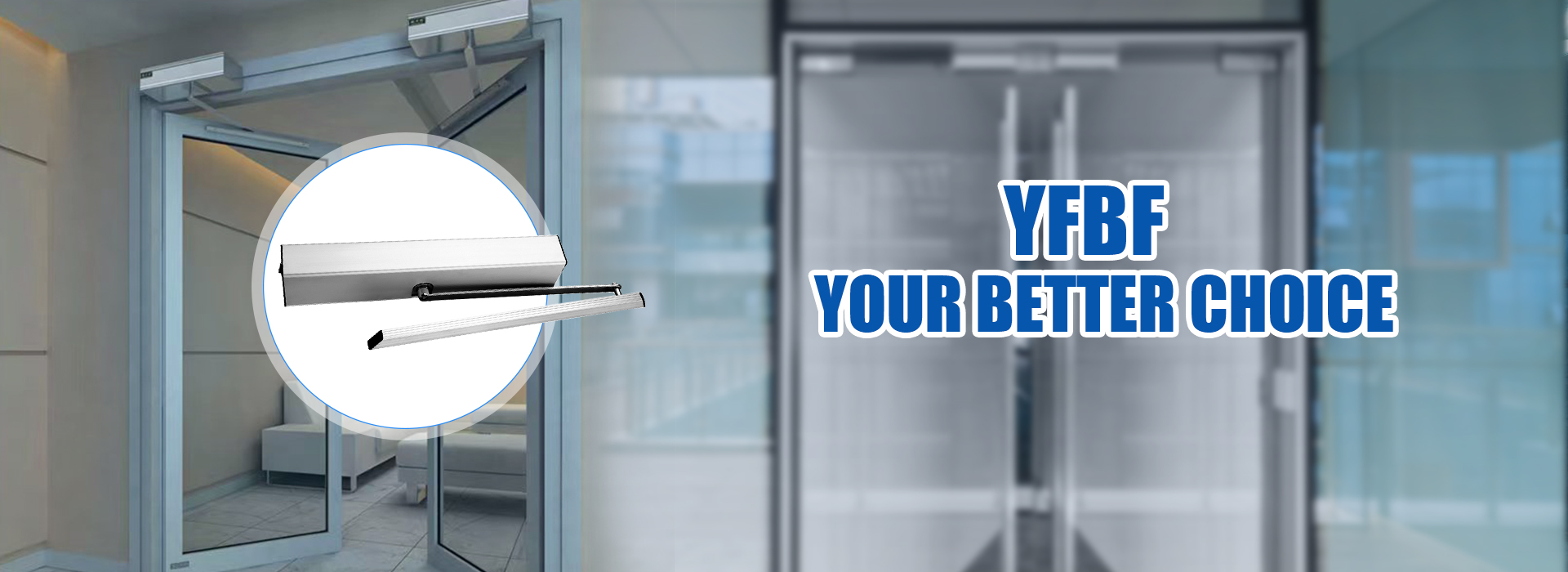
For mixed project portfolios, suppliers that cover both motors and complete operator kits offer easier compatibility management. Beifan’s product structure includes automatic door motors, automatic sliding door operators, automatic swing door operators, automatic door accessories, and automatic door drive kits, which is useful for project matching and replacement work.
Industry standards also shape the selection process. The BS EN 16005 overview describes safety requirements for power-operated pedestrian doors, which is relevant when selecting and tuning automated entrances in public spaces.
Supplier Directory and Where to Buy
If the project requires a complete product set, the most practical approach is to compare the main manufacturer’s catalog with other established entrance-automation suppliers. That helps confirm load range, accessory compatibility, and local service support.
For a consolidated product range, start with the company homepage and the related product family pages for sliding door operators, swing door operators, door motors, accessories, and drive kits. For specification benchmarking, compare them with documented solutions from other recognized automatic entrance manufacturers and regional distributors.
This method is especially useful for hospital entrances, office lobbies, retail doors, and glass retrofit projects, where door weight and cycle count can change the selected model. A short supplier list is usually better than comparing dozens of incompatible options.
Practical Rules for Better Operator Performance
The best performance comes from balancing load, control, and installation quality. In most cases, that means treating door weight as the starting point, not the final decision.
Keep the door as friction-free as possible, choose a controller with enough reserve capacity, and verify that sensors and access-control devices do not delay motion. A well-matched system should open consistently, close securely, and run quietly under repeated use.
When a project includes glass door automation, the margin for error is smaller because alignment and impact control are more visible. That is why careful specification usually saves more money than later repair work.
FAQ
1. Does a heavier door always need a stronger automatic sliding door operator?
A heavier door usually needs more drive capacity, but not every project requires the highest-power unit. Door width, friction, traffic frequency, and hardware quality can change the final choice. The correct solution is the one that matches total operating load, not mass alone.
2. Why does a door feel slow even when the operator is new?
Slow motion often comes from excessive friction, poor alignment, or incorrect control settings rather than motor age. If the operator is undersized, the issue becomes more obvious under load. A proper inspection should check rollers, rails, seals, and controller tuning before replacement.
3. Can a standard operator work on a glass door retrofit project?
Yes, if the leaf weight, width, and cycle demand fit the unit’s rated range. Retrofit projects need special attention because the existing door structure may add hidden resistance. Compatibility should be verified with the full door assembly, not only the glass panel specification.
4. What maintenance matters most for heavy automatic sliding doors?
Alignment, roller condition, rail cleanliness, and fastener tightness matter most. Heavy doors amplify small defects, so minor wear can quickly affect speed and noise. Regular inspection also helps maintain safe operation and prevents overload conditions that shorten component life.
5. How do access-control devices affect operator performance?
Access-control devices do not usually increase door weight, but they can change the opening sequence and operating cycle. Delays from sensors, locks, or controllers can make the system feel less responsive. Good integration keeps motion smooth while preserving security and safety functions.

David Chen
Post time: Sep-20-2026