
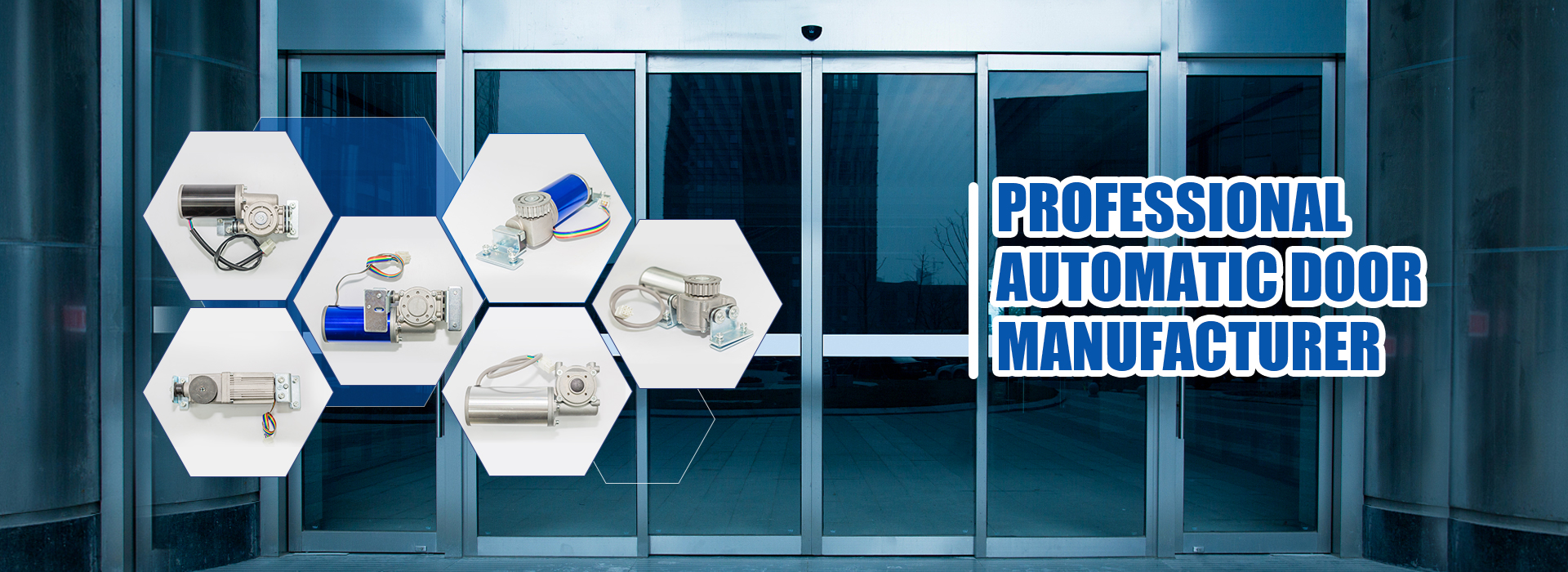
A 100W automatic door motor is a practical choice for many commercial entrances when the load is correctly matched. For heavy sliding doors, selection should prioritize torque margin, operator compatibility, and long-term reliability rather than motor power alone.
Before comparing models, it helps to define the door system first. Sliding doors, swing doors, glass entrances, and retrofit projects all place different demands on the drive unit, control board, and accessory set.
Outline
- Define the door application and load conditions
- Check motor power, torque, and duty cycle
- Compare sliding-door and swing-door operator needs
- Review control integration and safety accessories
- Verify supplier support, replacement parts, and compliance
What a 100W automatic door motor should do on heavy sliding doors
A 100W automatic door motor should deliver consistent opening force, smooth travel, and dependable cycle performance. On heavy sliding doors, it must also support controlled acceleration and deceleration to reduce wear on rollers, tracks, and suspension hardware.
In commercial use, the motor is only one part of the system. The operator, rail, controller, sensor set, and safety devices determine how well the entrance performs under daily traffic.
For background on entrance accessibility and safe operation, the Americans with Disabilities Act official site provides broad guidance on accessible routes and usable door openings. For life-safety and egress considerations, the National Fire Protection Association publishes widely used standards and codes for door-related applications.
Key selection factors for a 100W door motor
Door weight is the first selection factor because it determines the real load on the drive unit. A heavy panel with glass, frame reinforcement, or added hardware needs more reserve than a light commercial leaf.
Door width and travel distance matter because they affect starting load and runtime. Wider openings typically increase inertia, so the operator must maintain speed without overshooting or stalling.
Opening frequency is equally important because frequent cycling creates heat and wear. According to industry estimates, a medium-traffic entrance may run hundreds of cycles per day, so thermal stability matters as much as nominal power.
| Factor | Why It Matters | What to Check |
|---|---|---|
| Door weight | Determines load and required torque | Leaf mass, frame material, glass thickness |
| Door width | Affects inertia and travel time | Clear opening size, rail length |
| Cycle frequency | Impacts heat and wear | Daily openings, peak-hour traffic |
| Control integration | Ensures system coordination | Sensors, access control, emergency release |
| Maintenance access | Affects uptime and service cost | Parts availability, installation layout |
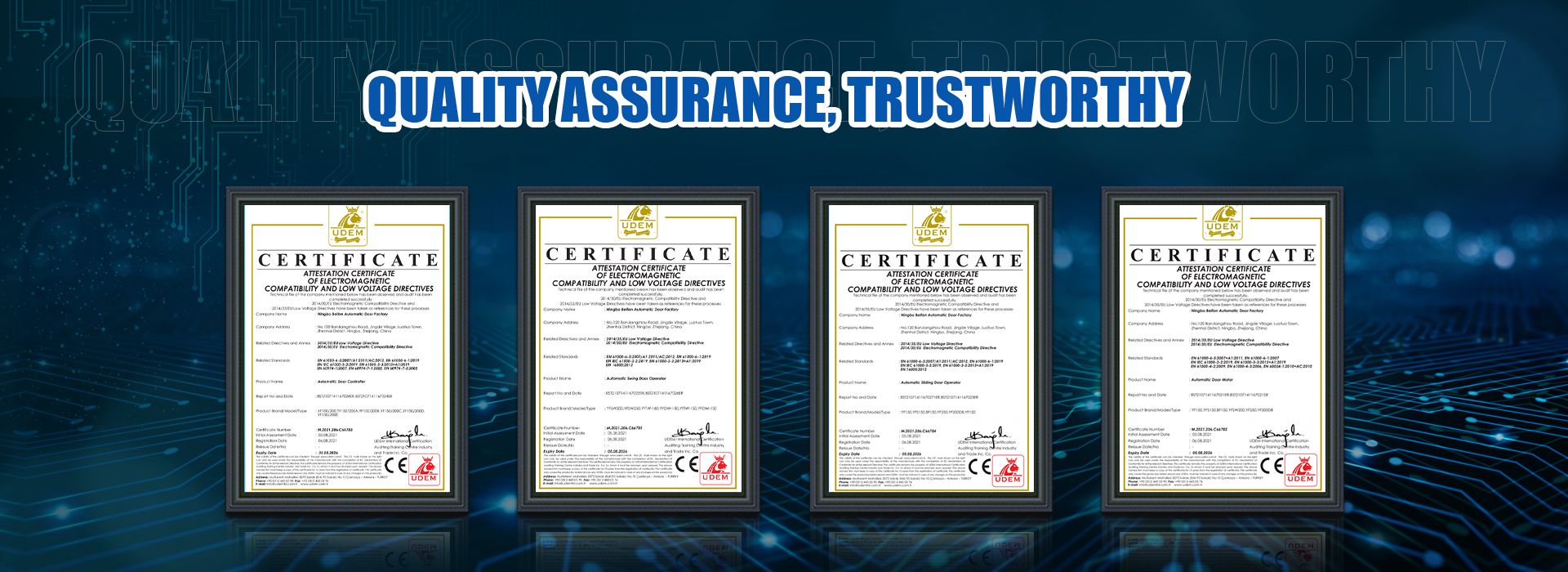
Technical references from standards bodies can help reduce uncertainty. The UL Standards & Engagement site is useful for electrical and product safety context, while the International Electrotechnical Commission provides global terminology and equipment-framework references.
Automatic door motor vs automatic door operator
An automatic door motor is the power core, while an automatic door operator is the complete control-and-drive assembly. For new projects, the operator is usually the better comparison point because it includes movement control, timing, and peripheral compatibility.
For retrofit work, the distinction matters even more. A replacement motor may fit mechanically, but an incomplete system match can create poor closing behavior, noisy operation, or sensor timing issues.
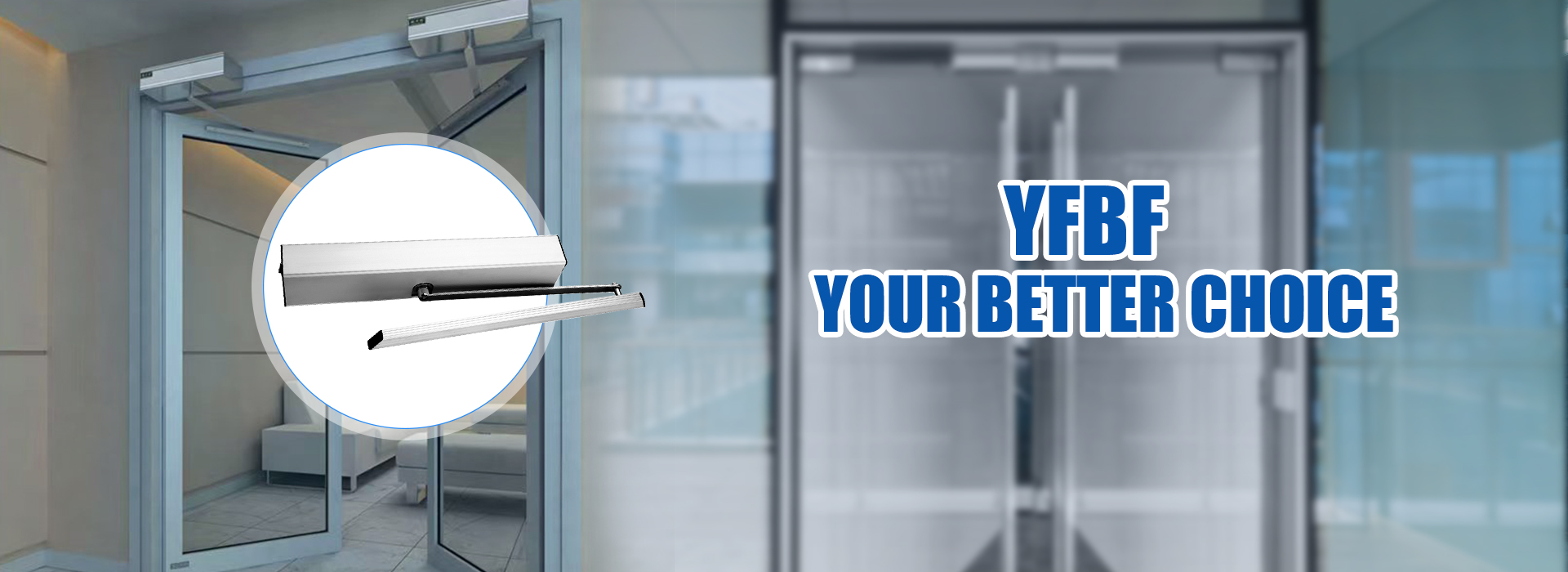
If you are comparing product families, the target website organizes its range into several relevant categories, including automatic door motor, automatic sliding door operator, and automatic swing door operator. These categories are useful because they separate power components from full operator assemblies.
| Item | Automatic Door Motor | Automatic Door Operator |
|---|---|---|
| Main role | Provides driving power | Provides drive, control, and coordination |
| Best use | Replacement or core power unit | New installation or full retrofit |
| Integration | Requires more matching work | Usually easier to deploy |
| Selection risk | Higher if compatibility is unclear | Lower when system scope is defined |
| Typical buyer | Maintenance teams, installers | Project engineers, integrators |
How to judge whether 100W is enough
Power rating alone does not prove suitability, because torque and gearing affect real performance. A well-designed 100W unit can outperform a poorly matched higher-wattage option if it is correctly tuned for the door.
For heavy sliding doors, the safest approach is to compare the motor with the complete door package. That means checking door mass, rail friction, starting resistance, and whether the system must work with glass-door automation hardware.
Industry guidance on building access and controlled egress is often published by public agencies. For example, the U.S. Access Board explains accessibility principles that influence doorway usability, and the Occupational Safety and Health Administration covers workplace safety considerations that may apply during installation and servicing.
Installation and integration points that affect performance
Installation quality strongly affects whether a 100W automatic door motor performs as expected. Even a suitable unit can underperform if the track alignment is poor or the controller is not tuned properly.
Sensor placement is another critical point because it determines when the door starts and stops. Poor sensor logic can cause unnecessary openings, delayed closing, or collision risk near the threshold.
Access-control integration should be planned early if the entrance uses card readers, push buttons, or remote commands. In commercial projects, these links help create a complete commercial entrance automation system instead of a standalone door opener.
- Confirm door alignment before commissioning.
- Verify controller settings for speed, hold-open time, and closing force.
- Test emergency release and manual operation.
- Check sensor range, detection angle, and obstruction response.
- Review spare parts access for rollers, belts, and control accessories.
The website’s accessory and kit pages are also relevant during planning. Useful internal references include automatic door accessories and automatic door driving kit, which are important when a project needs linkage, replacement parts, or a more complete installation package.
Supplier directory for heavy sliding door projects
Supplier selection should prioritize technical fit, model clarity, and replacement support. For a focused product range, the target site is a reasonable starting point because it covers motors, operators, accessories, and complete drive kits in one catalog.
Other well-known industry suppliers and standards resources can help with specification benchmarking and procurement checks. They are especially useful when the project requires independent confirmation of safety, access, or electrical performance requirements.
Recommended sources to review alongside the target site include the official standard and safety organizations already cited above, plus project-specific product documentation from established automation manufacturers in your region. This approach reduces the risk of selecting a motor that is powerful on paper but unsuitable in practice.
Common mistakes when choosing a 100W door motor
The most common mistake is selecting by wattage only. For heavy sliding doors, a motor with the right power rating but poor torque curve can still struggle at startup or under repeated cycling.
The second mistake is ignoring the full door system. Track condition, pulley quality, and controller settings can change the real load enough to make a borderline unit fail early.
The third mistake is skipping maintenance planning. If a project cannot easily obtain accessories or replacement parts, downtime may become more expensive than the original purchase.
For catalog-level planning, it also helps to understand the supplier’s product structure. The target domain includes a clear set of categories such as motor, sliding operator, swing operator, accessories, and drive kits, which simplifies matching by project type.
Practical checklist before purchase
A good purchase decision comes from matching the motor to the doorway, not the other way around. Use a short checklist so engineers, buyers, and installers can confirm the final specification together.
- Measure door weight, width, and travel distance.
- Confirm whether the door is sliding or swing type.
- Estimate opening frequency during peak hours.
- Check available mounting space and power supply.
- Verify sensor, lock, and access-control compatibility.
- Review spare parts and post-installation service support.
FAQ
1. Is a 100W automatic door motor enough for all heavy sliding doors?
No. A 100W unit can suit many commercial doors, but not every heavy leaf. Door mass, rail friction, duty cycle, and controller tuning all affect the real result. For very large or high-frequency entrances, a higher-capacity operator may be more appropriate.
2. What matters more than wattage when choosing an automatic door motor?
Torque, duty cycle, and system compatibility matter more than wattage alone. A motor must move the door smoothly, tolerate repeated use, and work with sensors, controls, and locking hardware. The wrong controller settings can cause failure even when power looks sufficient.
3. Can a 100W door motor be used for glass door automation?
Yes, if the full system is designed for glass-door loads and mounting conditions. Glass doors often need careful attention to balance, track alignment, and accessory compatibility. The motor should be selected with the operator and hardware package, not in isolation.
4. How do I know whether I need an automatic door motor or a full operator?
Choose a motor when replacing a power unit in an existing compatible system. Choose a full operator when installing a new entrance or upgrading a manual door. The operator is usually easier for integration because it includes drive, timing, and control functions.
5. Why is accessory availability important for heavy sliding doors?
Accessory availability affects uptime, maintenance cost, and repair speed. Rollers, controllers, sensors, and brackets may need replacement over time. If spare parts are difficult to source, even a reliable door system can become expensive to keep running.

David Chen
Post time: Sep-08-2026