
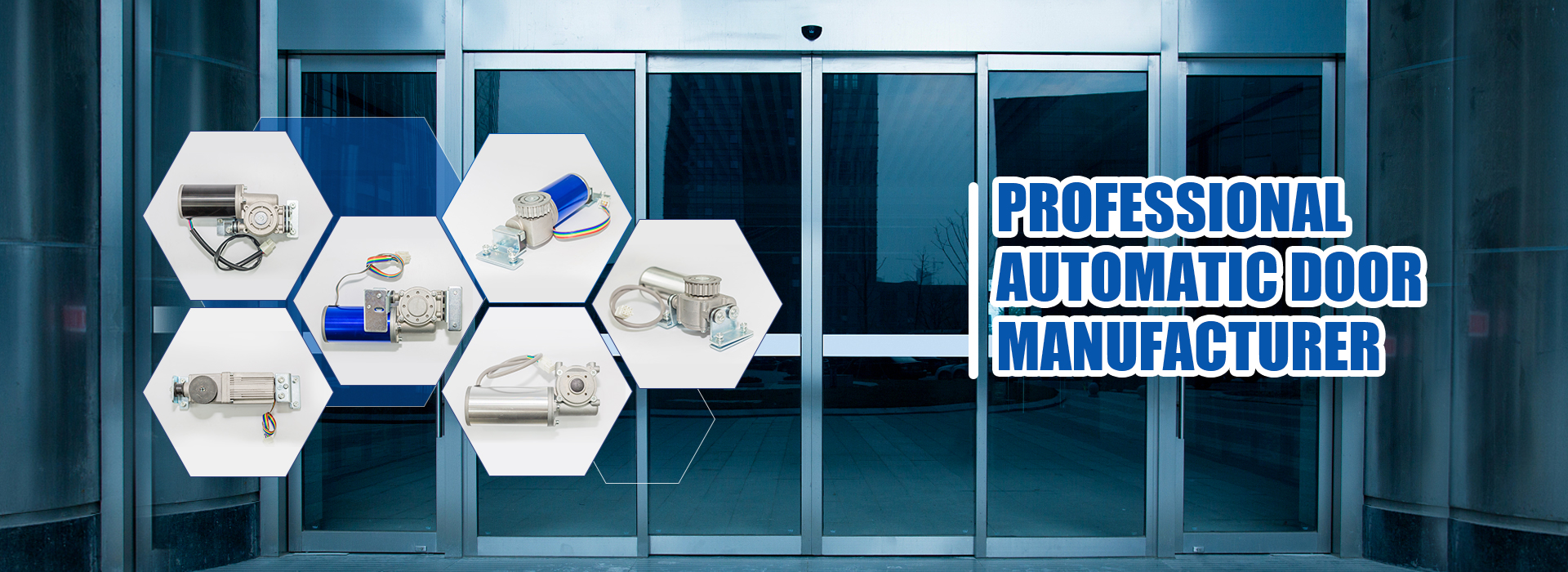
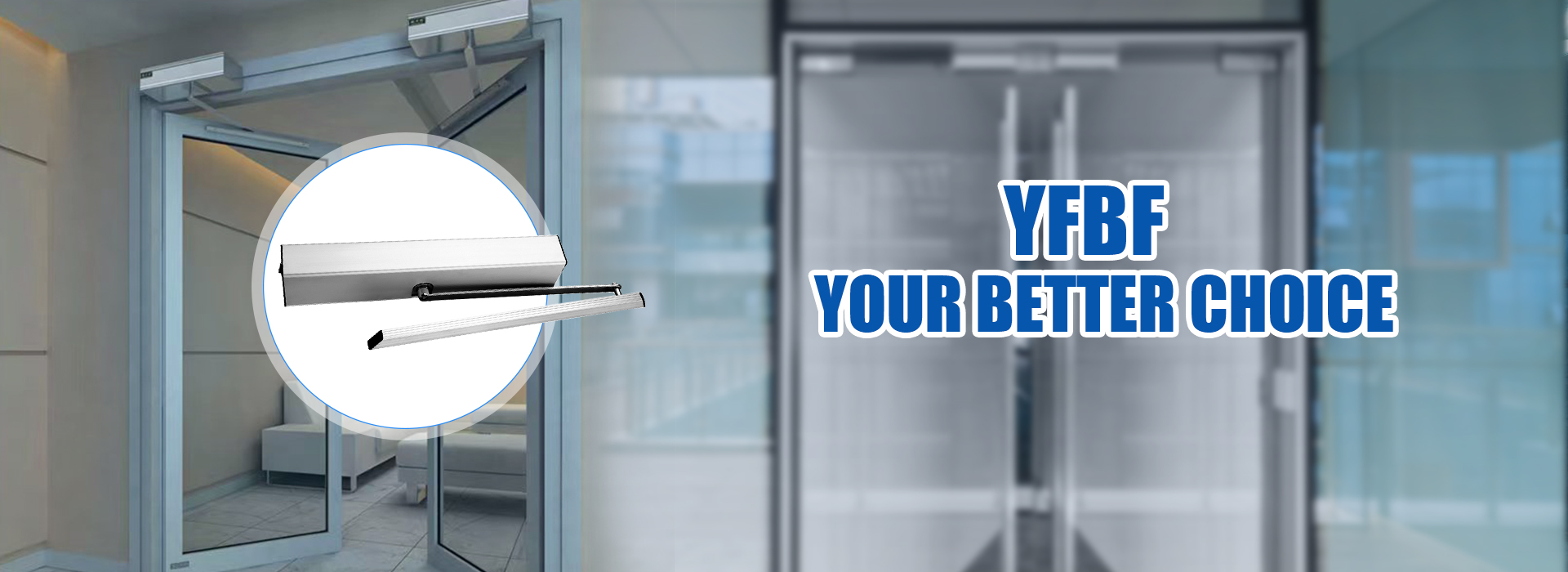
- Door weight, width, and opening mode determine whether you need a sliding or swing operator.
- Power, control wiring, and sensor placement should be verified before drilling or mounting.
- Safety devices and access control integration are not optional in commercial entrance projects.
- Maintenance access, spare parts availability, and serviceability affect total downtime.
An automatic door motor is the driving core of an automatic door system, but installation success depends on the full package: door structure, controller, sensors, access control, and hardware alignment. In commercial entrances, commissioning usually starts with load and geometry checks, because an operator that is undersized for the door mass or duty cycle will wear faster and create unstable motion. For reference, ISO 21542:2021 sets accessibility expectations for built environments, while ISO 13849-1:2015 is widely used for safety-related control system design. In day-to-day projects, that means you should verify fit, safety, and service access before the first screw is fixed.
Automatic Door Motor Installation Checklist: What to Verify First
The first verification step is always site suitability, because a motor cannot compensate for a poor door match. Measure the leaf weight, opening width, clearances, and mounting surface condition before selecting the operator. If the door is a high-traffic commercial sliding entrance, the duty expectation is very different from a low-use office swing door. Many projects also fail because the installer assumes the motor alone will solve friction, warped framing, or weak power supply. It will not.
| Check item | Why it matters | Typical verification method |
|---|---|---|
| Door weight and size | Determines drive load and operator selection | Measure leaf mass, width, and panel construction |
| Opening type | Sliding and swing systems use different mechanics | Confirm sliding track or hinge-based motion |
| Mounting space | Insufficient clearance causes interference | Check header depth, side clearance, and ceiling height |
| Power supply | Prevents nuisance shutdowns and electrical stress | Confirm voltage, grounding, and circuit capacity |
| Traffic frequency | Affects cycle life and heat load | Estimate peak daily openings and occupancy flow |
For commercial entrances, traffic frequency is a design driver, not a secondary detail. A retail or clinic entrance can see hundreds or thousands of cycles per day, so the motor, gearbox, and controller must be sized for repeated starts and stops. If you are comparing product families, review automatic sliding door opener options for wider, high-traffic entrances and automatic swing door opener options for tighter spaces or interior access points.
How Door Type Affects Automatic Door Motor Selection
Door type is the fastest way to narrow the correct automatic door motor, because sliding and swing systems solve different spatial problems. Sliding doors are the standard choice for wide commercial entries with frequent traffic, while swing doors work better where the architecture already uses hinged leaves or where side clearance is limited. The wrong choice can create force spikes, poor sealing, or unsafe movement patterns. In practice, the operator should match the existing door motion rather than forcing a structural compromise.
| Door type | Best use case | Main installation concern | Typical project advantage |
|---|---|---|---|
| Automatic sliding door | Retail, lobby, hospital, high-flow entrance | Track alignment and header space | Efficient passage for wide openings |
| Automatic swing door | Office, clinic, internal corridor | Hinge load and swing clearance | Works in constrained spaces |
| Glass door automation retrofit | Showroom, storefront, reception area | Glass thickness and frame compatibility | Upgrades appearance without full rebuild |
Glass door retrofits deserve special attention because the operator must respect the glass construction, clamp hardware, and safety requirements. For storefronts and lobbies, the visual result matters almost as much as the movement quality. If the project is a retrofit rather than a new build, verify compatibility with glass door automatic opener solutions before specifying accessories or drilling points.
Power, Control, and Safety: The Technical Checks That Prevent Rework
Electrical compatibility is one of the most common causes of rework, because a mechanically correct installation can still fail if the control logic or supply is wrong. Check voltage, grounding, cable routing, and controller space before the operator is mounted. The control unit should also be coordinated with sensors, locks, emergency release, and access control modules. When these elements are treated as separate products instead of one system, commissioning becomes slower and fault tracing becomes harder.
Safety design should be handled as a system-level task, not as an accessory decision. ISO 14119:2013 addresses interlocking devices associated with guards, and NIST accessibility guidance is useful when designing user interaction points in public-facing installations. For entrances that must serve wheelchair users, parents with strollers, or patients with mobility limitations, the door opening, activation zone, and closing force must be tested together. Accessibility is not just a compliance issue; it directly affects user confidence and injury risk.
| System element | Installation question | Failure if ignored |
|---|---|---|
| Controller | Is it compatible with the motor and accessories? | Unstable motion or non-start faults |
| Sensors | Do detection zones cover the entry path? | False triggering or late opening |
| Electric lock | Is it synchronized with door motion? | Door drag, latch damage, or stuck leaf |
| Emergency release | Can the door be opened during power loss? | Safety and evacuation risk |
If the project includes access control, treat it as part of the core design. A card reader, keypad, motion sensor, or remote switch should be integrated before the final cable terminations are sealed. For projects that need tighter entry management, see access control compatible door operator options, because door control logic and authentication logic must be timed correctly to avoid premature opening or lock conflict.
Installation Space, Structure, and Mounting: The Hidden Constraints
Installation space often decides the final operator choice more than the catalog does. Header depth, side room, ceiling obstruction, and wall strength all influence whether the motor can be mounted cleanly and serviced later. A technically suitable operator can still be a poor choice if the enclosure blocks lighting, sensors, or future maintenance access. Before installation, inspect the substrate, because weak masonry, hollow partitions, or uneven lintels can create long-term vibration and alignment drift.
Structural stiffness matters because repeated door cycles transfer load into the mounting points. If the wall or header flexes, the system may begin to misread positions or create abnormal wear on rollers, hinges, and belts. In field terms, that means the operator may look fine on day one but start to drift after several weeks of high-cycle use. For this reason, an installation checklist should include fastener type, reinforcement location, and the path for future access to the drive unit.
- Confirm the mounting surface is level and structurally sound.
- Check that the operator housing can be opened for service.
- Verify that cable routing avoids pinch points and moving parts.
- Leave enough clearance for sensor tuning and belt or track inspection.
Commercial Entrance Use Cases: Matching the Motor to the Environment
Use case determines the performance priority, and that is why a hospital entrance is not specified like a back-office door. Hospitals and clinics usually need low-fault operation, predictable opening behavior, and easy passage for stretchers, wheelchairs, and staff movement. Offices usually prioritize image, controlled access, and smooth visitor flow. Retail and mall entrances often need durability and fast repeated cycles under heavy daily traffic. The automatic door motor should be selected around the most demanding real-world scenario, not the average one.
For medical and accessible public buildings, the design target should include low resistance, reliable activation, and easy emergency operation. For retail, the biggest problem is usually wear from repeated use and poor alignment caused by frequent traffic. For office lobbies, the practical issue is often how the door integrates with visitors, intercoms, and security workflows. If the project is a larger commercial entrance package, review commercial entrance automation solutions so the operator, sensors, and access logic are planned together.
| Application | Primary priority | Common mistake | Result |
|---|---|---|---|
| Hospital or clinic | Reliability and accessibility | Choosing an undersized operator | Interrupted patient flow |
| Office lobby | Security and appearance | Poor access control timing | Visitor confusion or delays |
| Retail storefront | Durability and cycle endurance | Ignoring traffic peaks | Higher wear and downtime |
| Showroom retrofit | Visual integration | Ignoring glass hardware limits | Poor finish and service issues |
What the Standards Say About a Safer Automatic Door System
Standards are useful because they turn vague expectations into testable requirements. ISO 21542:2021 focuses on accessibility and usability in the built environment, which is directly relevant when an automatic door must support inclusive access. ASTM F2200 is widely referenced for automatic pedestrian door systems in safety planning. Together, these references remind installers that the goal is not just motion, but safe and usable motion.

In practical terms, a good installation checklist should ask three questions: can the door open reliably, can it close safely, and can users understand the interaction without confusion? If the answer to any of these is uncertain, the commissioning process is not finished. The best field result is a door that feels simple to use because the technical complexity was handled upstream.
Common Installation Mistakes to Avoid
Most avoidable failures come from skipping verification, not from product defects. The most common mistake is choosing the operator by door appearance instead of measured load and opening geometry. Another common issue is leaving sensor placement until after the final wiring, which forces compromises in detection coverage. A third mistake is ignoring maintenance access, which makes routine inspection expensive and slow.
- Do not assume all glass doors can accept the same hardware.
- Do not mount the operator before confirming the supply and grounding.
- Do not treat access control as a later add-on if the door is already in scope.
- Do not close the housing until the opening and closing cycle has been tested repeatedly.
Compatibility also matters during replacement projects, where downtime is expensive and part matching is critical. If a project involves repair or upgrade rather than a new build, review door operator parts early so you can confirm that belts, arms, controllers, or sensors are available before the old unit is removed.
Decision Guide: What to Check Before You Buy
The best buying decision is the one that avoids installation surprises. Use the checklist below before you place an order, because it captures the most important field constraints in one pass. This is especially useful for engineers, contractors, property managers, and procurement teams who need a fast but defensible selection process.
| Decision question | Why it matters | Pass condition |
|---|---|---|
| Is the door sliding or swing? | Determines operator architecture | Motion type is clearly identified |
| What is the estimated leaf weight? | Prevents undersizing | Measured or documented weight available |
| How many cycles per day? | Shapes duty requirement | Peak usage estimate completed |
| Is there enough header or side space? | Affects mountability | Clearance confirmed on site |
| Will access control be integrated? | Impacts wiring and logic | System integration planned |
| How will maintenance be performed? | Affects downtime and service cost | Service access is preserved |
If you want the final system to be easier to install and maintain, compare the product family with the job scope instead of forcing one model into every project. In many cases, the right choice is not the most powerful operator but the one that matches the site constraints cleanly.
FAQ About Automatic Door Motor Installation Checklist
What should you check first before installing an automatic door motor?
Check door type, leaf weight, opening width, available space, and power supply first, because these determine whether the operator can be mounted and commissioned safely.
Do you need a different operator for sliding and swing doors?
Yes, because sliding and swing doors use different motion mechanics, loading patterns, and installation clearances.
Why is traffic frequency important for an automatic door system?
Traffic frequency affects cycle life, heat load, and wear, so a high-use entrance needs a more durable and better-matched operator.
Should access control be planned before installation?
Yes, because card readers, keypads, remote switches, and safety logic should be integrated before final wiring and commissioning.
What is the most common installation mistake?
The most common mistake is selecting the motor before measuring the door load, space, and use case.
How do standards help in installation planning?
Standards such as ISO 21542:2021, ISO 13849-1:2015, and ASTM F2200 provide safety and accessibility benchmarks that improve design reliability.
When should you consider replacement parts?
Consider spare parts and replacement compatibility early in retrofit projects, because downtime is reduced when belts, controllers, and accessories are readily available.

David Chen
Post time: Jul-23-2026