

Which Is Better: Automatic Sliding or Swing Door Operator?
The better operator is the one that fits the entrance, not the one with the higher specification. Sliding systems usually suit wider commercial openings and continuous traffic, while swing systems are often simpler for retrofit projects and narrower corridors.
How the Two Door Operators Work
Automatic Sliding Door Operator
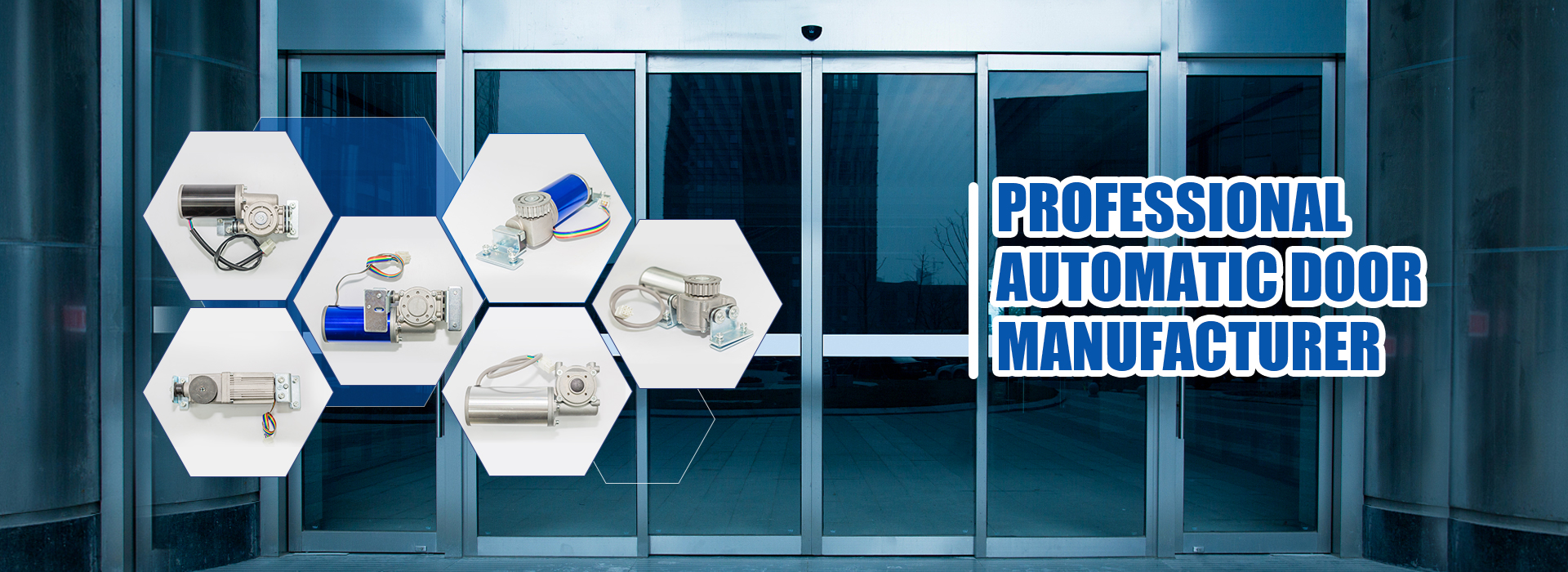
An automatic sliding door operator moves the leaf horizontally along a track, so it needs side clearance but little swing space. This layout is common in lobbies, retail fronts, hospitals, and glass-door entrances where traffic flow matters.
Automatic Swing Door Operator for Glass Door
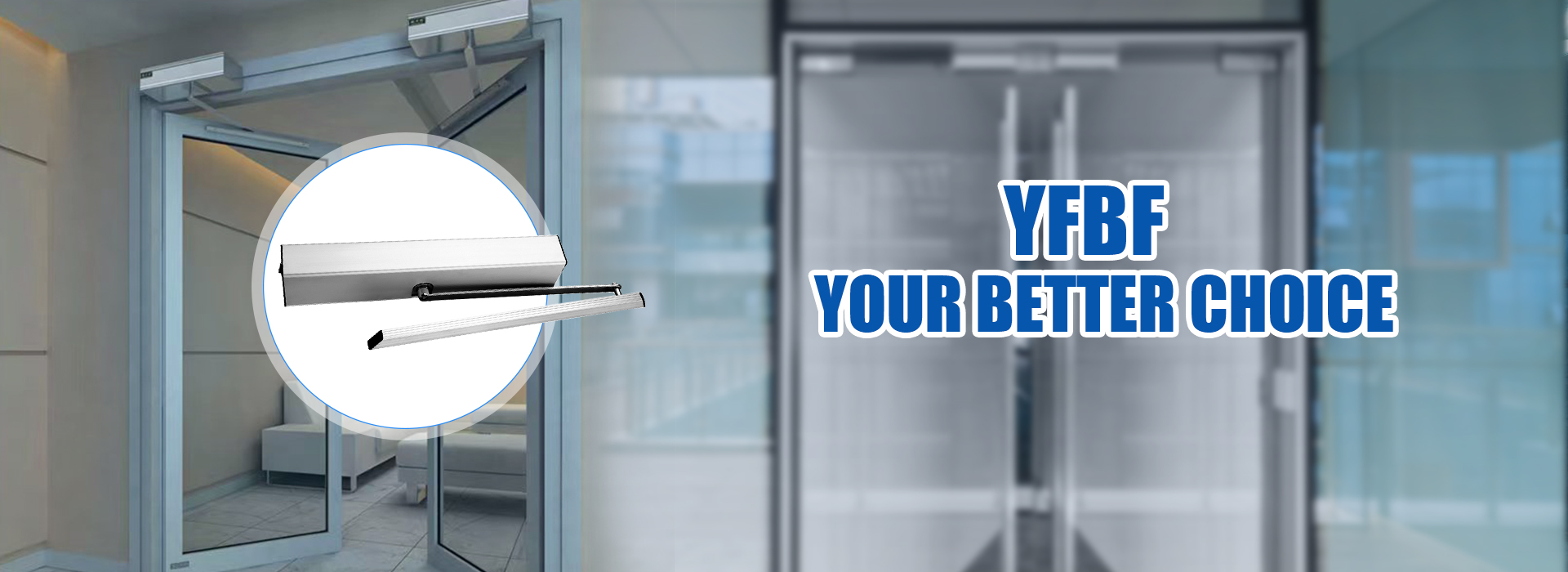
An automatic swing door operator for glass door applications opens the leaf inward or outward on hinges, so it needs arc clearance. It is often chosen for offices, clinics, and internal passages where the opening width is acceptable but floor space is tight.
Comparison Table: Core Differences Between Sliding and Swing Door Operators
| Factor | Sliding Operator | Swing Operator |
|---|---|---|
| Space requirement | Needs wall or pocket clearance | Needs swing arc clearance |
| Traffic flow | Better for continuous entry and exit | Better for moderate traffic |
| Retrofit fit | Best when a sliding opening already exists | Best when the existing door is hinged |
| Glass door use | Very common in commercial glass entrances | Common in glass office and healthcare doors |
| Accessibility | Strong fit for public entrances | Strong fit for controlled-access entrances |
Accessibility, Safety, and Code Considerations
Accessibility Requirements
Accessibility is a primary selection factor because automatic doors are often installed on public routes. The U.S. Access Board notes that accessible entrances must provide a minimum 32-inch clear width, and the 5 lbf opening-force limit applies to manual doors, not automatic operation. See the official guidance from the U.S. Access Board and the technical guide on entrances, doors, and gates.
Safety Standards
Safety is governed by the operator type and the building use. Full-power pedestrian doors are covered by ANSI/BHMA A156.10-2024, while low-energy swing operators fall under ANSI/BHMA A156.19. The Builders Hardware Manufacturers Association describes A156.10 as the standard for power-operated pedestrian doors, and A156.19 as the standard for swing-door power-assist and low-energy operation.
For project teams, the practical takeaway is simple: choose the operator that can meet the required opening behavior, sensing logic, and entrapment protection without overcomplicating the installation. Annual inspection is also important, and AAADM states that properly installed automatic doors should be inspected annually by AAADM-certified inspectors.
Comparison Table: Typical Selection Criteria for Commercial Entrances
| Selection factor | Sliding operator | Swing operator |
|---|---|---|
| Best traffic level | High | Low to medium |
| Best entrance width | Wide openings | Standard door widths |
| Best retrofit case | Existing sliding door | Existing hinged door |
| Best building type | Malls, hospitals, office lobbies | Clinics, offices, internal corridors |
| Best priority | Flow and visibility | Space efficiency and retrofit simplicity |
Technical Parameters That Matter in Selection
Load, Speed, and Cycle Life
Technical parameters decide whether the operator will survive daily use. For commercial projects, the most important values are door weight, opening speed, cycle life, and available mounting space.
According to the product information available on the target site, the YF200 automatic sliding door operator is a heavy-duty model with larger load capacity, while the YF150 is positioned for standard commercial entrances. The YFSW200 swing operator is described as a 24V brushless unit with strong torque and long service life.
In practical procurement terms, a sliding system is usually preferred when the door is heavier, the opening is used continuously, or the entrance must stay visually open. A swing system is usually preferred when the door leaf already exists and the project needs a compact retrofit with limited civil work.
Pros and Cons List: Sliding vs Swing Door Operators
- Sliding operator pros: better traffic handling, strong fit for glass entrances, and cleaner circulation in busy lobbies.
- Sliding operator cons: requires track space, more precise alignment, and more planning for wall conditions.
- Swing operator pros: easier retrofit on hinged doors, useful in tighter layouts, and often simpler to integrate.
- Swing operator cons: needs swing clearance, can conflict with nearby furniture or corridors, and may be less efficient in peak traffic.
Where Each Operator Performs Best
Commercial Buildings and Retail Entrances
Sliding doors are usually the stronger choice for commercial entrances with frequent arrivals and departures. They support smooth pedestrian flow, help preserve a modern glass-front appearance, and are easier to pair with motion sensors and access control.
Healthcare, Offices, and Internal Routes
Swing operators are often the better fit for healthcare rooms, office doors, and internal circulation points. They work well where the existing door already swings and where the project needs controlled access rather than maximum throughput.
For integrated entrances, the target site also offers an auto door control system and automatic door accessories, which matter because sensors, selectors, and safety beams affect real-world performance as much as the motor itself. The site’s product structure also includes an automatic sliding door operator category and a swing door operator category for project matching.
Supplier Directory and Internal Link Targets
If you are comparing suppliers, start with the main domain and then review the product families that match your door type. The most relevant internal categories are the main site, automatic door motor, automatic sliding door operator, automatic swing door operator, and automatic door accessories. For retrofit projects, a commercial automatic door opener should always be checked against door weight, hinge condition, and available headroom before purchase.
For broader market comparison, procurement teams often benchmark against established industry references such as the AAADM safety guidance and the BHMA A156.10 overview. These sources help verify whether a proposed solution fits the intended use and inspection regime.
Practical Decision Guide
The best choice is usually determined by three questions: how much traffic the entrance handles, how much clearance the site has, and whether the door is new or existing. If the answer points to heavy traffic and a glass storefront, sliding is usually the safer default. If the answer points to a hinged door and a retrofit budget, swing is usually more efficient.
Project teams should also confirm the operating mode, sensor layout, and maintenance access before finalizing the specification. A good selection reduces downtime, simplifies commissioning, and lowers the chance of future replacement delays.
Conclusion
The better operator is the one that matches the building, the code path, and the maintenance plan. In most high-traffic commercial glass entrances, sliding is the stronger option; in space-constrained retrofit projects, swing is often the more practical one.
For buyers, the most reliable next step is to compare door weight, opening frequency, and available clearance against the operator’s published model range. That approach produces a better specification than choosing by door type alone.
FAQ
1. Is a sliding operator always better than a swing operator?
A sliding operator is not always better. It is usually better for high-traffic entrances and glass storefronts, but a swing operator can be more practical for retrofit projects, narrow corridors, and existing hinged doors. The correct choice depends on space, traffic, and installation constraints.
2. Which operator is better for a glass door entrance?
Both can work, but the better fit depends on the entrance layout. A sliding system is common for commercial glass lobbies and retail fronts, while a swing system is often used for office and healthcare doors where the leaf already swings and floor space is limited.
3. What technical specs should I check before buying?
Check door weight, door width, opening speed, cycle life, mounting space, and power requirements. Also confirm sensor compatibility and access-control integration. These factors determine whether the operator can run safely and reliably under the actual daily traffic load.
4. Do automatic doors need regular inspection?
Yes. AAADM states that automatic doors should be inspected annually by AAADM-certified inspectors. Regular inspection helps verify sensor function, opening behavior, closing performance, and safety response, which are all important for commercial buildings and public entrances.
5. How do I choose between retrofit and new installation?
If the existing door is hinged and the opening is tight, a swing operator is often the easier retrofit. If the project is a new commercial entrance or a busy glass lobby, a sliding system is usually the stronger long-term choice because it supports smoother traffic flow.

David Chen
Post time: Jul-01-2026