
High-frequency entrances place continuous thermal stress on the drive system, so overheating is often a design and application issue rather than a single fault. This article explains the main causes, the most effective checks, and the selection factors that reduce downtime in commercial entrances.
Outline
- Why heat builds up in automatic door motors during frequent cycling
- The most common mechanical, electrical, and control-related causes
- How to compare load, duty cycle, and installation conditions
- Practical maintenance and replacement checks
- Where to source suitable door operators and related components
Why automatic door motor overheating happens in high frequency operation
Motor overheating is the result of heat generation exceeding heat dissipation over time. In frequent-use entrances, repeated acceleration, braking, and idle recovery can raise coil and gearbox temperatures faster than the housing can release heat.
High-frequency operation is especially demanding in hospitals, office lobbies, retail entrances, and glass door automation projects. The issue is closely related to operating cycle, door mass, ambient temperature, and the quality of installation. For broader motor thermal guidance, NEMA motor and generator standards are a useful reference point for enclosure and performance expectations, while the actual thermal limit still depends on the full door system.
Primary causes of motor overheating in frequent-use doors
Undersized equipment is the most common cause of heat buildup in automatic door systems. When the selected unit cannot comfortably handle the door weight, opening resistance, or daily cycle count, current draw rises and heat accumulates quickly.
Mechanical resistance is another major driver of thermal stress. Worn rollers, misaligned tracks, tight hinges, damaged seals, or poor floor conditions force the drive to work harder than intended. The U.S. Department of Energy guidance on automatic doors notes that door performance and system efficiency depend strongly on proper configuration and use, which aligns with field experience in commercial entrances.
Control settings can also create unnecessary heating. Excessive opening speed, overly aggressive acceleration, long hold-open times, or repeated sensor triggers increase duty load. In access-controlled sites, faulty sensors or poorly placed detectors may cause the door to cycle more often than needed.
Ventilation and ambient temperature matter as well. A compact housing installed near direct sunlight, heaters, or poorly ventilated glass entrances can retain heat. According to industry estimates, thermal complaints rise noticeably when operators are installed in enclosed frames without enough airflow.
Comparison Table: Common overheating causes and what they usually indicate
Table 1: Common overheating causes and diagnostic meaning
| Cause | Typical symptom | What it usually means |
|---|---|---|
| Undersized drive | Hot housing after short cycles | The unit is operating near or beyond its practical duty limit |
| High friction | Slow movement, noise, uneven travel | Mechanical resistance is forcing the motor to pull higher current |
| Control misconfiguration | Frequent restarts, rapid cycling | Timing or sensor logic is causing too many operations |
| Poor ventilation | Heat builds up in closed frames | The enclosure cannot dissipate thermal energy effectively |
| Electrical instability | Intermittent performance, reset events | Power quality, wiring, or controller issues may be present |
How to evaluate whether the door system is correctly matched
Correct matching is the fastest way to prevent thermal overload. The operator should be selected for door type, door weight, opening width, traffic volume, and the expected daily cycle count.
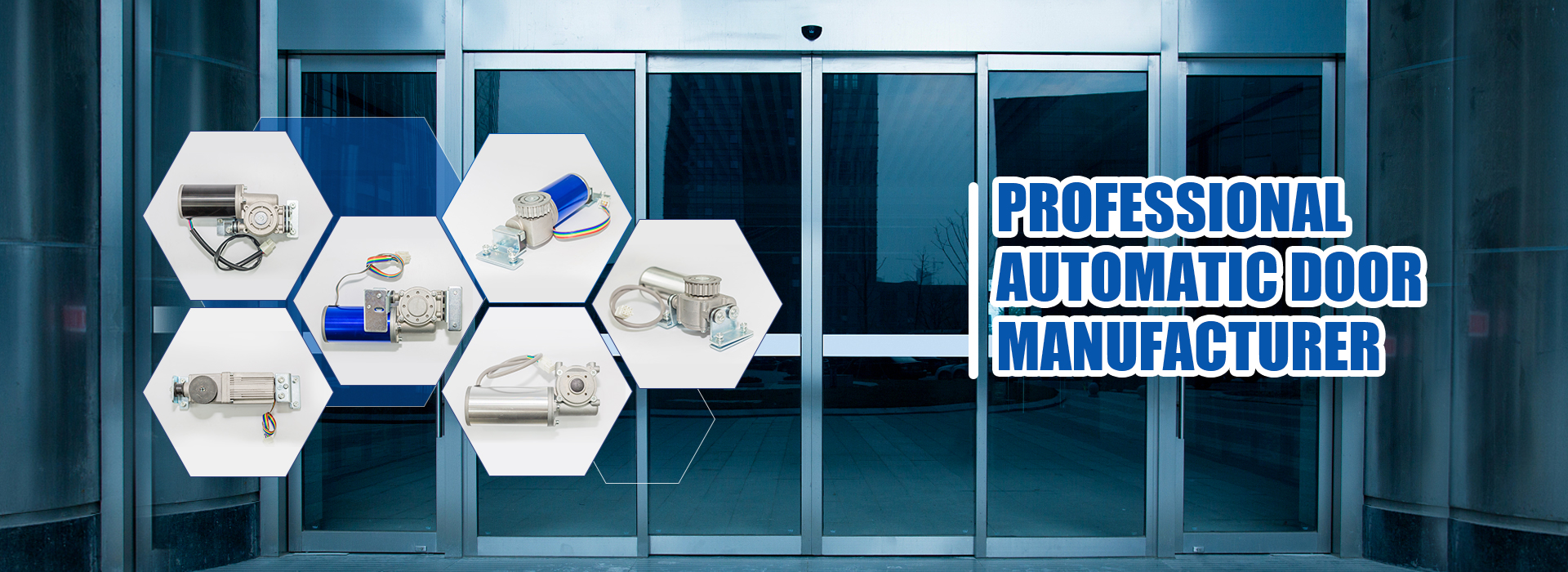
For this reason, automatic sliding door operator models are typically chosen for wider, higher-traffic entrances, while swing-door solutions suit different geometry and space constraints. If the project includes replacement work, a compatible automatic door motor should be selected with the original system’s load profile in mind. The website’s product structure also includes automatic door accessories and automatic door driver kit options, which are relevant when a heat issue is linked to installation or control compatibility.
In practice, the right system is the one that runs comfortably below its thermal ceiling during normal traffic peaks. If the motor stays warm but stable, the system is likely within range; if it becomes too hot to touch after short bursts, the selection margin is too narrow.
Comparison Table: Sliding door, swing door, and motor replacement considerations
Table 2: Application and replacement considerations by door type
| Door type | Common application | Thermal risk factor | Selection focus |
|---|---|---|---|
| Sliding door | Offices, malls, hospitals | Frequent cycling and long daily runtime | Duty cycle, door weight, smooth track motion |
| Swing door | Clinics, internal passages | Hinge resistance and actuator load | Arm force, opening angle, alignment |
| Replacement project | Old entrances and retrofits | Unknown wear and compatibility limits | Matching dimensions, wiring, and controller logic |
What to check during overheating diagnosis
A structured inspection usually identifies the real cause faster than replacing parts at random. The first step is to confirm whether the door moves freely by hand when the system is disconnected or in maintenance mode.
- Check for track friction, roller wear, hinge drag, or binding points.
- Inspect wiring, terminals, and controller status for unstable power or repeated resets.
- Review sensor placement to confirm the door is not reopening unnecessarily.
- Measure operating temperature after a typical cycle period, not after one opening only.
- Compare the actual traffic pattern with the rated duty expectations of the installed unit.
These checks help separate a true motor problem from a system-level issue. If the operator is mechanically sound but still overheats, the cause is often a mismatch between usage intensity and the installed drive capacity.
Why high frequency operation needs a stronger thermal margin
Frequent cycling creates repeated inrush current and repeated heat spikes. Even if each cycle is short, the cumulative effect can exceed what the housing and internal components can safely dissipate.
That is why commercial entrances need a thermal margin, not just a working motor. In busy environments, a mid-to-high specification unit is often more appropriate than a basic model because it can better tolerate continuous use, accessory load, and environmental variation. In product planning, the broader category of automatic swing door opener or sliding operator should be viewed as a complete system, not only as a standalone motor.
Maintenance practices that reduce overheating risk
Preventive maintenance is the most reliable way to reduce heat-related failures. Clean tracks, proper lubrication where required, and timely replacement of worn accessories all lower the torque needed for each cycle.
Routine checks should also include sensor performance, fastening stability, and door alignment. For public buildings, the U.S. Access Board guidance on doors and gates is useful for understanding how accessible entrances should function, especially when high traffic and user convenience must be balanced. When maintenance teams monitor temperature trend data and cycle behavior, early warning signs are easier to catch before a shutdown occurs.
Where a supplier directory matters in replacement projects
A reliable supplier directory helps maintenance teams choose compatible parts instead of mixing unrelated components. For commercial entrances, it is useful to source the motor, operator, and accessories from the same product family whenever possible.
For project-level planning, the main internal product categories on the target site include automatic door motor, automatic sliding door operator, automatic swing door opener, automatic door accessories, and automatic door driver kit. Comparable industry suppliers also offer similar entrance automation categories, but selection should still be based on door type, traffic level, and compatibility data rather than brand familiarity alone.
Practical selection checklist for high traffic entrances
The safest choice is the one that matches the real operating environment, not the lowest initial cost. A useful checklist includes door weight, expected daily cycles, enclosure ventilation, access-control integration, and spare-part availability.
- Confirm the door type before choosing a motor or operator.
- Match the drive to the heaviest likely usage period, not average use.
- Verify that sensors, controllers, and accessories are compatible.
- Check whether the installation location has enough airflow and heat dissipation.
- Plan for maintenance replacement before thermal issues create downtime.
When these points are addressed early, the risk of motor overheating falls significantly. The result is better uptime, lower service cost, and more stable performance in commercial entrances.
FAQ
Why does an automatic door motor get hot even when the door still works? Heat can build up before a visible failure appears. The system may still move, but the motor could already be operating near its thermal limit. That usually points to excessive load, poor ventilation, or too many cycles in a short period.
Is overheating always a sign that the motor is defective? No, overheating is often caused by system conditions rather than a damaged motor. Misalignment, track friction, poor sensor logic, and undersized selection are common causes. A full diagnosis should check mechanics, controls, and installation before replacing the unit.
Can a sliding door operator overheat faster than a swing door system? Yes, depending on traffic and installation conditions. Sliding entrances often run more cycles in commercial buildings, so duty load can be higher. However, swing systems can also overheat if hinges, arms, or opening forces are improperly adjusted.
What maintenance most effectively prevents motor overheating? Regular cleaning, alignment checks, sensor verification, and timely replacement of worn accessories are the most effective measures. These steps reduce friction and unnecessary cycling, which lowers current draw and helps the drive stay within a safer temperature range.
When should a high-frequency entrance use a stronger replacement model? A stronger model is appropriate when the door is heavy, the traffic volume is high, or the current unit runs hot during normal use. If repeated short cycles cause thermal shutdowns or slowdowns, replacement with a higher-duty solution is usually justified.

David Chen
Post time: Sep-26-2026