
Office entrances are judged by reliability, not just convenience. A well-designed commercial automatic door opener reduces bottlenecks, supports accessible entry, and helps property teams manage traffic during peak arrival and departure periods.
Why Stability Matters in Office Building Automatic Doors
Stability is the foundation of safe and predictable door operation. In a commercial lobby, the operator must handle repeated cycles, changing traffic patterns, and variable door loads without drift, hesitation, or misalignment.
For office buildings, instability usually appears as uneven opening speed, noisy operation, or incomplete closing. These faults can interrupt visitor flow, increase maintenance calls, and create security gaps at the main entrance.
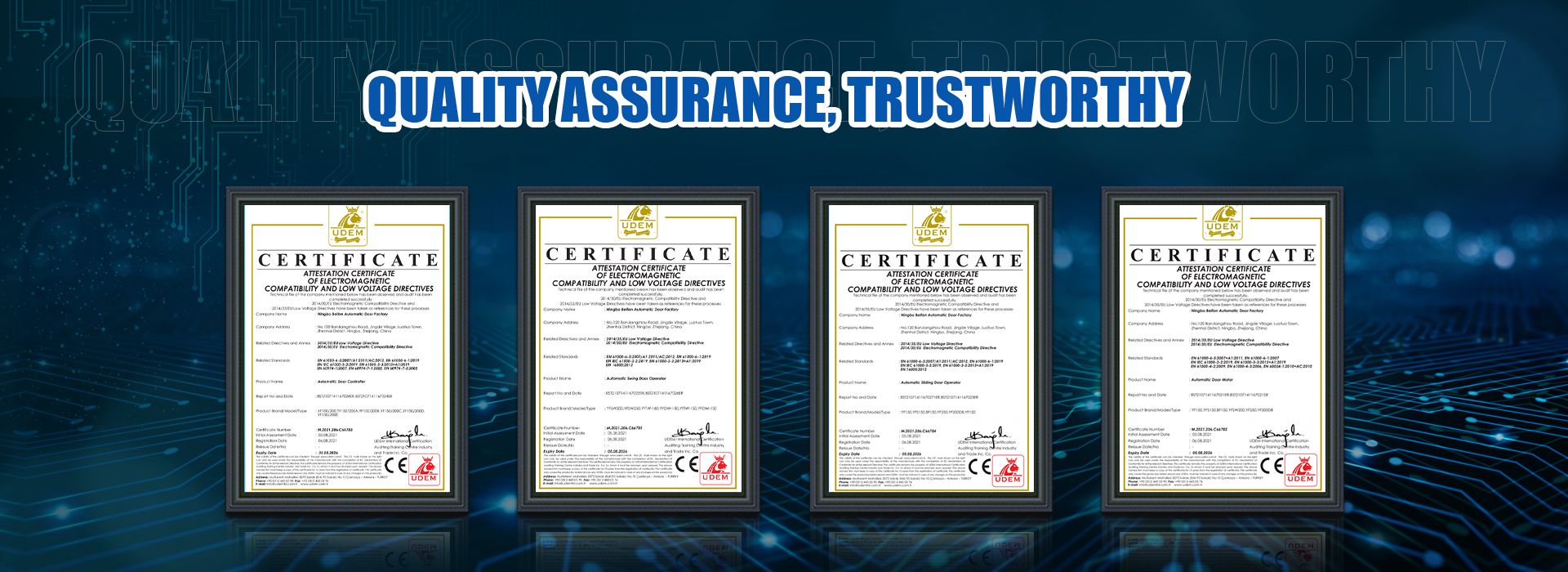
Reliable operation also supports compliance expectations. The ADA Accessibility Standards apply to commercial facilities and public accommodations, while the U.S. Access Board explains that accessible entrances must remain usable for people with disabilities. ADA Standards for Accessible Design and U.S. Access Board guidance on entrances, doors, and gates both reinforce that entrance hardware should not create unnecessary barriers.
How Access Control Changes the Role of the Door Operator
Access control turns a door operator into a managed entry point. Instead of opening only by manual force, the system can respond to card readers, push buttons, motion sensors, remote controls, or building management logic.
This integration matters because office buildings need both convenience and restriction. Employees may enter freely, while visitors, contractors, and delivery personnel may need permission-based access at specific times.
Security and egress must still work together. NFPA 101, the Life Safety Code, addresses door operation within means of egress, and the 2024 edition is the current edition listed by NFPA. NFPA 101 code development page and NFPA guidance on swinging egress door locking arrangements show why controlled access must never block safe exit.
Main Product Categories for Office Entrance Automation
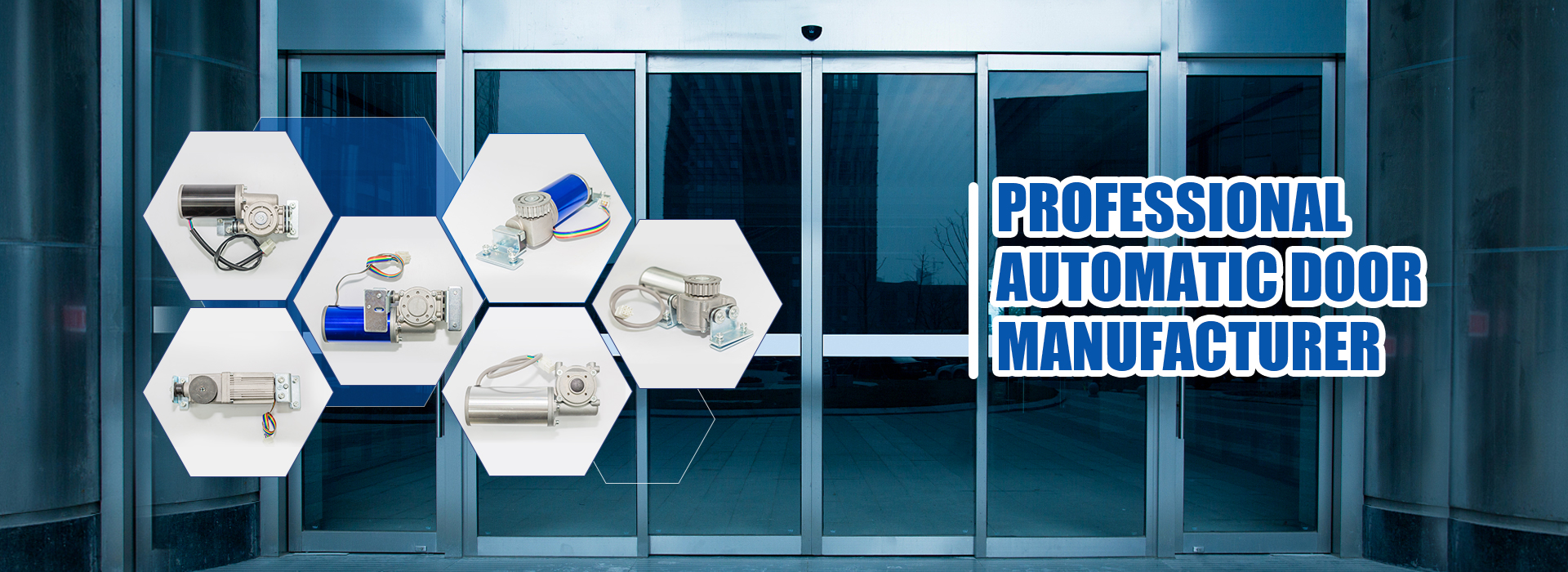
The target website groups its products into five practical categories. These categories help buyers match the door type, traffic level, and integration needs before choosing a model.
Product category overview
| Category | Typical role | Best-fit office scenario |
|---|---|---|
| Automatic door motor | Provides the drive force for opening and closing | Standard or replacement projects |
| Automatic sliding door operator | Controls smooth horizontal movement | Lobby entrances and glass door fronts |
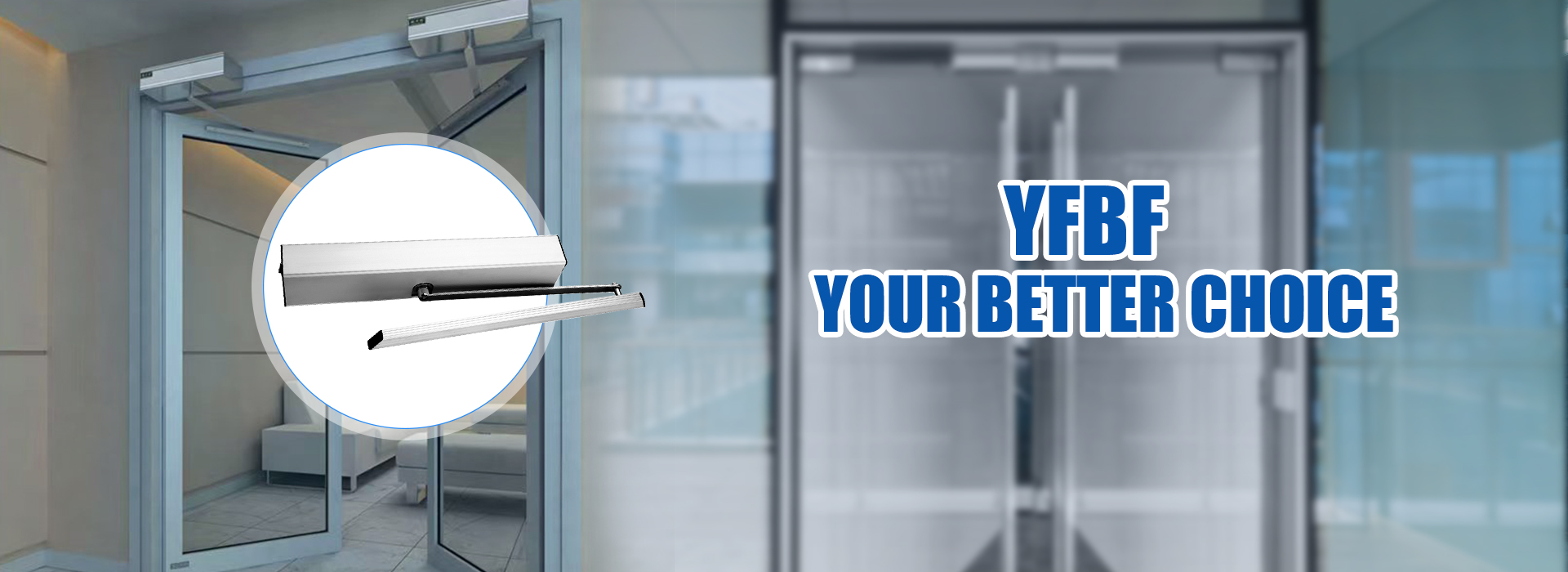
| Automatic swing door operator | Automates hinged door movement | Space-limited offices and internal passages |
| Automatic door accessories | Supports sensing, mounting, and replacement | Integration and maintenance work |
| Automatic door drive kit | Combines core drive and control components | New builds and retrofit projects |
These categories reflect how office projects are actually specified. A procurement team usually starts with the door type, then checks load, cycle frequency, and control compatibility.
Which Door Type Fits an Office Building Best?
Sliding and swing systems solve different space problems. Sliding systems suit wider, high-traffic entrances, while swing systems are often better when the opening area is narrow or the existing door is hinged.
Comparison Table: Sliding vs Swing Office Entrance Systems
| Factor | Sliding door operator | Swing door operator |
|---|---|---|
| Space requirement | Needs lateral track space | Needs clear swing clearance |
| Traffic handling | Strong for frequent entry and exit | Good for moderate traffic |
| Visual impact | Common in glass lobbies | Blends well with interior doors |
| Retrofit use | Useful for storefront-style entrances | Useful for existing hinged doors |
| Typical office use | Main lobby and reception | Meeting rooms and controlled access doors |
The ICC A117.1 standard states that where an automatic door or gate is required at a public entrance, it must be full powered automatic or low-energy automatic. It also sets a minimum 48-inch clear width for exterior accessible routes in many cases. ICC A117.1 Chapter 4 is a useful reference when planning office entrances for accessibility.
What Makes a Stable Automatic Door Operator?
Stable operation depends on the motor, control logic, and mechanical transmission working as one system. If any part is undersized or poorly matched, the door may fail under repeated use.
Key stability factors include torque reserve, speed consistency, obstruction response, and thermal endurance. In practice, these determine whether the door can keep operating during rush hours without excessive wear.
- Motor output must match the door weight and size.
- Control logic must support smooth acceleration and deceleration.
- Safety sensors must detect people and objects reliably.
- Hardware must resist loosening under repeated cycles.
- Accessories must remain available for replacement and service.
The target supplier’s product pages show this engineering focus clearly. For example, the automatic sliding door operator range is positioned for commercial entrances, while the automatic swing door opener range addresses hinged-door automation in offices and medical spaces. The automatic door accessories page is relevant for installation and maintenance support. 
How Access Control Improves Office Security and Flow
Access control improves both security and visitor management. A door can remain locked until a valid credential, sensor trigger, or authorized command is received.
This matters in office buildings because the entrance often serves employees, guests, vendors, and cleaning staff at different times. Controlled opening reduces unauthorized entry while keeping the lobby efficient during busy periods.
ASHRAE Standard 62.1 is the recognized ventilation standard for acceptable indoor air quality, and entrance design can affect how often doors open and close. ASHRAE standards and guidelines and the current standard overview help building teams think about how entry operation interacts with indoor conditions.
Selection Criteria for Office Building Projects
Selection should start with the door, not the brand. The right operator depends on door weight, opening width, traffic frequency, installation space, and the control devices already planned for the project.
Selection Table: Core Factors for Office Door Automation
| Selection factor | Why it matters | Typical buyer question |
|---|---|---|
| Door weight | Determines required drive force | Can the unit move this door smoothly? |
| Door type | Defines sliding or swing mechanism | Is the existing door hinged or track-based? |
| Traffic frequency | Influences durability needs | Will the entrance run all day? |
| Control integration | Supports security and automation | Can it connect to access control? |
| Maintenance access | Reduces downtime | Are spare parts easy to replace? |
For retrofit work, compatibility is often more important than maximum power. A well-matched unit with available accessories can shorten installation time and reduce later service disruption.
Where to Buy and How to Compare Suppliers
Supplier comparison should focus on product fit, documentation quality, and serviceability. Buyers should review model pages, accessory availability, and whether the supplier clearly states application boundaries.
For office entrance automation, the target website is one option for core hardware, especially its automatic door motor category and its product overview page. Other well-known industry references include ASSA ABLOY, dormakaba, and record USA, which are commonly used in commercial entrance projects. These suppliers are often compared on integration depth, service network, and project specification support.
When comparing vendors, use the same checklist for each quote. That keeps the decision objective and makes it easier to evaluate lifecycle cost rather than only purchase price.
Why Office Buildings Need Both Stability and Access Control
Office building entrances need both because one without the other creates operational risk. Stability keeps traffic moving; access control keeps the building secure and manageable.
In a modern commercial lobby, the best result is a door system that opens predictably, closes securely, and integrates with the building’s access rules. That combination supports accessibility, safety, and a professional first impression.
FAQ
1. What is the main job of an automatic door operator in an office building?
Its main job is to automate door movement with controlled force and timing. In office buildings, it also helps coordinate access control, safety sensing, and smooth visitor flow. That makes the entrance easier to use while reducing manual effort and congestion.
2. Why is stability more important in office entrances than in low-traffic doors?
Office entrances open many times each day, so small mechanical problems become operational problems quickly. Stable performance reduces noise, wear, and service interruptions. It also helps keep the lobby secure and predictable during peak arrival and departure periods.
3. Can access control be added to existing automatic doors?
Yes, many systems can be integrated with card readers, sensors, remote controls, or building management devices. The key is matching the operator and accessories to the existing door type and wiring plan. Retrofit projects should always check compatibility before installation.
4. Which door type is better for a glass office lobby?
Sliding doors are usually better for wide, high-traffic glass lobbies because they save swing space and support continuous flow. Swing doors can still work well in smaller or internal openings. The final choice depends on layout, traffic, and accessibility requirements.
5. What should facility managers check during maintenance?
They should check sensor response, opening speed, closing force, mounting hardware, and accessory condition. They should also confirm that spare parts are available for the exact model. Regular inspection helps prevent downtime and keeps the entrance compliant and reliable.

David Chen
Post time: Jul-01-2026