
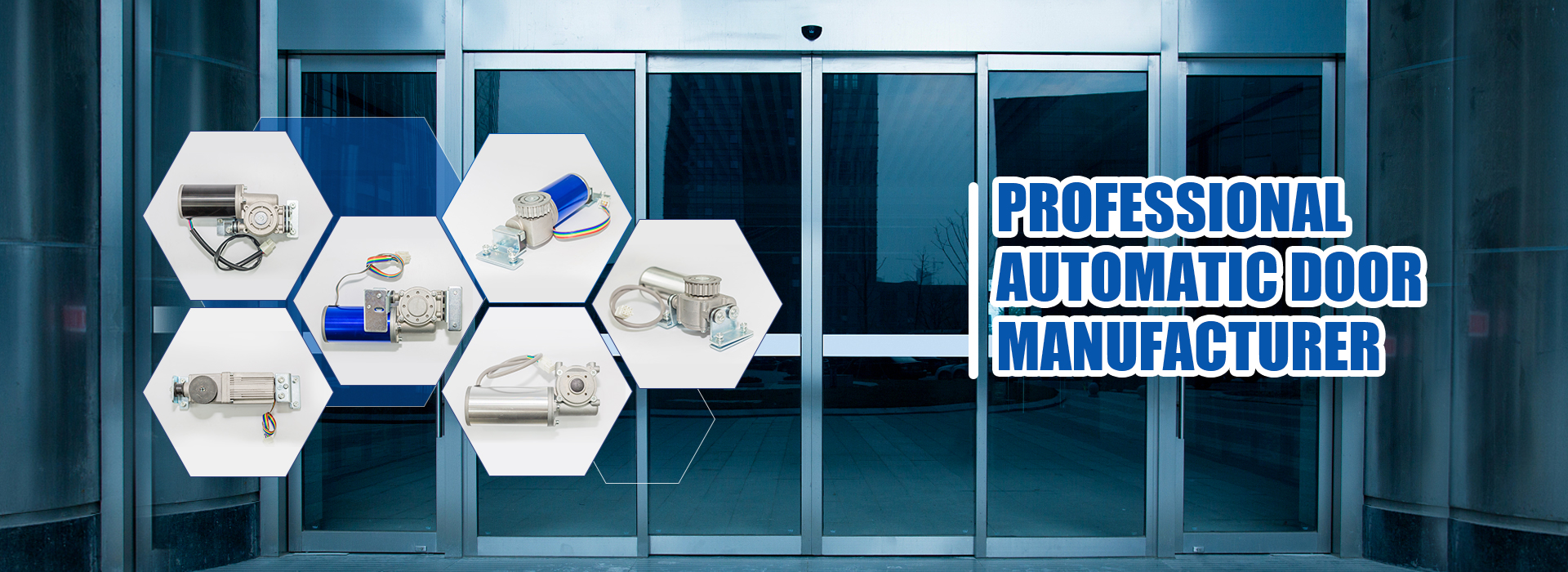
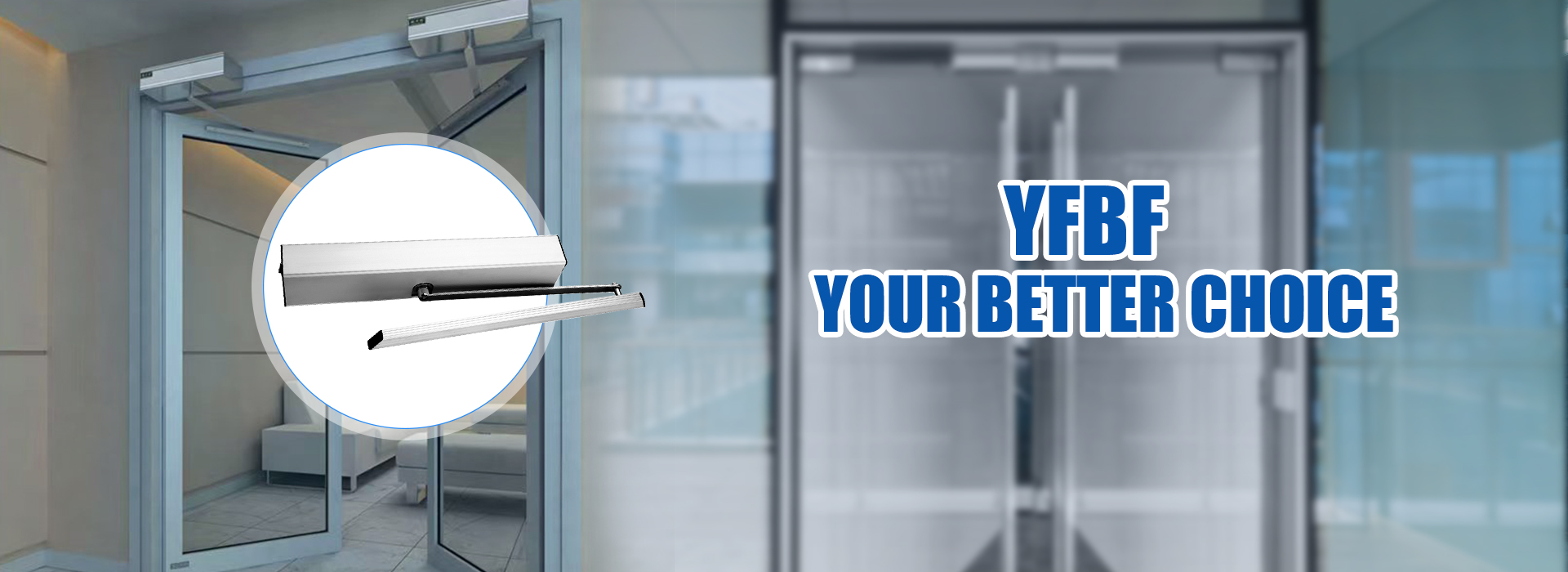
An automatic swing door operator is a practical choice for office and clinic entrances because it balances convenience, accessibility, and controlled traffic flow. In spaces where visitors, staff, and patients move through the same doorway, it reduces contact points and supports a more efficient entry experience.
Why Offices and Clinics Need Automatic Swing Door Operators
Office and clinic entrances need reliable access control without creating bottlenecks. A swing-door automation system is often better than a sliding system when the opening must preserve the existing door layout, wall structure, or interior circulation path.
For commercial buildings, the main value is operational consistency. For healthcare settings, the main value is easier passage for people carrying items, using mobility aids, or entering with limited hand contact. The automatic swing door operator category is designed for these conditions, while the broader main product range covers related drive and control solutions for different entrance types.
How a Motorized Door Opener Supports Daily Traffic
A motorized door opener improves entry flow by automating the opening and closing cycle with sensors, controls, and drive components. This reduces the effort required from users and helps maintain a predictable door movement pattern during busy periods.
In offices, that predictability supports reception areas, meeting floors, and staff-only access points. In clinics, it helps maintain a calmer entrance experience, especially where patient comfort and staff efficiency both matter. The system is also useful when doors must work with card readers, push buttons, or motion sensors.
Comparison Table: Swing Door Automation vs Manual Door Operation
| Factor | Automatic Swing Door Operator | Manual Door |
|---|---|---|
| User effort | Low, hands-free or push-assisted | Requires physical force |
| Accessibility | Better for mobility-impaired users | Depends on user strength |
| Traffic flow | More consistent in busy entrances | Can slow during peak use |
| Integration | Works with access control and sensors | Limited integration |
| Retrofit suitability | Often suitable for existing swing doors | No automation capability |
Why Clinics Benefit from Low-Contact Entry Automation
Clinic entrances benefit from low-contact automation because hygiene, accessibility, and patient comfort are closely linked. A hands-free door reduces repeated touching and helps create a smoother arrival process for visitors and staff.
According to the U.S. Centers for Disease Control and Prevention, hand hygiene remains a core infection-prevention measure in healthcare environments, which is one reason contact reduction at entrances is still relevant: CDC hand hygiene guidance. In practice, an automated entrance is not a substitute for cleaning protocols, but it can reduce unnecessary touchpoints at a busy doorway.
Healthcare facilities also need dependable access for wheelchairs, walkers, and carts. The U.S. Access Board’s ADA guidance emphasizes accessible routes and usable door hardware requirements: ADA entrances, doors, and gates guidance. That makes door automation a functional accessibility upgrade, not just a convenience feature.
Key Selection Factors for Offices and Clinics
The best operator is the one that matches the door type, usage pattern, and installation constraints. Selection should start with door weight, door width, opening frequency, available header space, and whether the project is a new build or retrofit.
For glass doors, the hardware must also account for mounting method, frame compatibility, and safe movement control. The automatic door accessories page is relevant because sensors, brackets, and control parts often determine whether the installation is stable and easy to maintain. For projects that need a complete drive package, the product catalog helps compare motor, operator, and accessory options in one place.
Key Specifications for Office and Clinic Door Automation
| Specification | Why It Matters | Typical Project Impact |
|---|---|---|
| Door type | Determines operator compatibility | Swing, glass, or framed doors need different hardware |
| Door weight | Affects drive capacity | Heavier doors need stronger torque and stable control |
| Traffic frequency | Influences duty cycle | High-use entrances need durable components |
| Installation space | Limits operator size and layout | Compact headers favor swing-door solutions |
| Access control integration | Improves security and workflow | Supports card readers, sensors, and remote control |
Where Swing Door Operators Fit Better Than Sliding Systems
Swing-door automation is often the better option when the building already has a hinged door and limited room for structural changes. It is also useful when the project must preserve the visual character of a glass entrance or interior corridor.
Sliding systems are usually preferred for wider openings and heavier pedestrian flow, but they need more overhead and lateral space. By contrast, a swing-door setup can be more practical for offices, clinics, and smaller public-facing entrances where the existing door leaf can be automated directly.
- Use a swing-door operator when the doorway already has a hinged leaf.
- Choose it when retrofit work must be minimized.
- Prefer it when accessibility and controlled entry matter more than maximum opening width.
- Consider it for glass-door upgrades where appearance and function must stay balanced.
Commercial Automatic Door Opener Integration with Access Control
A commercial automatic door opener becomes more valuable when it works as part of a larger access system. In offices, it can connect to card readers, visitor systems, and security controls. In clinics, it can support staff-only access and timed entry logic.
This integration matters because door automation is not only about movement. It is also about who can enter, when they can enter, and how the doorway behaves during peak hours or after business hours. The automatic door motor category is central here because the drive unit must respond reliably to control signals and repeated cycles.
For technical context on access control and door hardware coordination, the International Code Council’s accessibility and egress references are useful starting points: ICC means of egress chapter. Local code requirements still apply, so final selection should always follow the project jurisdiction.
Supplier Directory and Product Categories
The most useful supplier shortlist should include manufacturers that cover the full entrance chain, not just one component. For this topic, the main categories are automatic door motors, automatic swing door operators, automatic sliding door operators, automatic door accessories, and automatic door drive kits.
Within the target website, the most relevant product pages for office and clinic projects are the automatic swing door operator, the automatic door motor, and the automatic door accessories sections. These pages are useful for comparing drive capacity, control compatibility, and replacement parts.
In the broader market, well-known suppliers and standards bodies include ASSA ABLOY, dormakaba, and record, along with code and accessibility references from the CDC, the U.S. Access Board, and ICC. That mix gives procurement teams both product options and compliance context.
Practical Buying Checklist for Office and Clinic Projects
The safest buying process is to match the operator to the door and the use case before comparing price. A low-cost unit that cannot handle the door weight or traffic pattern usually creates higher maintenance costs later.
- Confirm whether the door is swing or glass-framed.
- Measure door width, leaf weight, and available header space.
- Check whether access control or sensor integration is required.
- Verify spare parts and replacement compatibility.
- Review installation and maintenance support before purchase.
For retrofit projects, model consistency matters because maintenance downtime is often more expensive than the hardware itself. Standardized naming and clear application notes reduce confusion during replacement, especially in facilities that cannot afford long service interruptions.
Conclusion
An automatic swing door operator is ideal for offices and clinics because it combines accessibility, controlled entry, and retrofit-friendly installation. It is especially effective where the doorway must support frequent use, low-contact access, and integration with building security systems.
For project teams, the best results come from matching the operator to the door type, traffic level, and compliance requirements. That approach improves reliability, reduces user friction, and supports a more professional entrance experience.
FAQ
1. Is an automatic swing door operator suitable for glass doors? Yes, it can be suitable when the glass door structure supports the required mounting method and load conditions. The key is to verify frame compatibility, door weight, and the available installation space before selecting the operator.
2. What is the main advantage of a motorized door opener in clinics? The main advantage is reduced contact and easier access for patients, staff, and visitors. It also helps support accessibility needs, especially for people using wheelchairs, walkers, or carrying medical items through the entrance.
3. Can these systems work with access control? Yes, many commercial automatic door opener systems can integrate with card readers, push buttons, motion sensors, and remote control modules. This makes them useful for offices and clinics that need both convenience and entry management.
4. How do I choose between a swing and sliding system? Choose based on the existing door type, available space, and traffic pattern. Swing systems are often better for retrofit projects and narrower entrances, while sliding systems are usually better for wider openings and heavier pedestrian flow.
5. What should maintenance teams check first? Maintenance teams should first check the drive unit, sensors, brackets, and door alignment. They should also confirm spare-part compatibility, because standardized components can reduce downtime and make replacement faster in busy facilities.

David Chen
Post time: Jun-29-2026