
A slim operator is best understood as a compact drive and control solution for modern commercial entrances. In glass-door projects, it helps balance appearance, space constraints, and dependable movement.
Why slim automatic door operators fit commercial glass doors
A slim automatic door operator fits commercial glass doors because the hardware needs to remain discreet while handling frequent use. According to the 2010 ADA Standards for Accessible Design, accessible routes and door operation must support practical passage, which makes consistent opening behavior important in public buildings.
Commercial glass doors also demand precise alignment and stable motion. A compact operator reduces visual bulk above the opening and helps preserve the transparent, lightweight look that architects and facility managers usually want in offices, retail fronts, and lobbies.
How a glass door operator supports daily commercial use
A glass door operator supports commercial use by combining drive, control, and door coordination in one system. That matters because entrances in offices, clinics, and stores often need repetitive cycles without harsh movement or unnecessary noise.
In practice, these systems must work with sensors, access control devices, and the door frame. The International Electrotechnical Commission publishes electrical and automation-related standards that are widely used to guide safe, interoperable equipment design in building systems.
For commercial glass doors, the best result is not maximum power alone. It is controlled speed, reliable closing force, and consistent performance under daily traffic.
Core selection factors for commercial glass doors
Correct selection depends on door weight, door width, opening frequency, and available mounting space. If these variables are mismatched, the operator may wear faster, move unevenly, or fail to meet project expectations.
Industry practice also requires checking the site’s integration needs. A system may need to connect with card readers, motion sensors, fire-related release logic, or central building controls.
Key selection factors for a slim automatic door operator
| Factor | Why it matters | Typical project impact |
|---|---|---|
| Door weight | Determines drive load | Too little capacity reduces durability |
| Door width | Affects travel distance and torque | Wide openings need more stable control |
| Traffic frequency | Shows how often the system cycles | High use requires stronger components |
| Mounting space | Limits operator profile size | Slim bodies help in tight headers |
| Integration needs | Links sensors and access control | Supports smarter entry management |
The most reliable approach is to match the operator to the actual site conditions rather than the visual style alone. That keeps the entrance functional over time.
Where slim operators are most effective
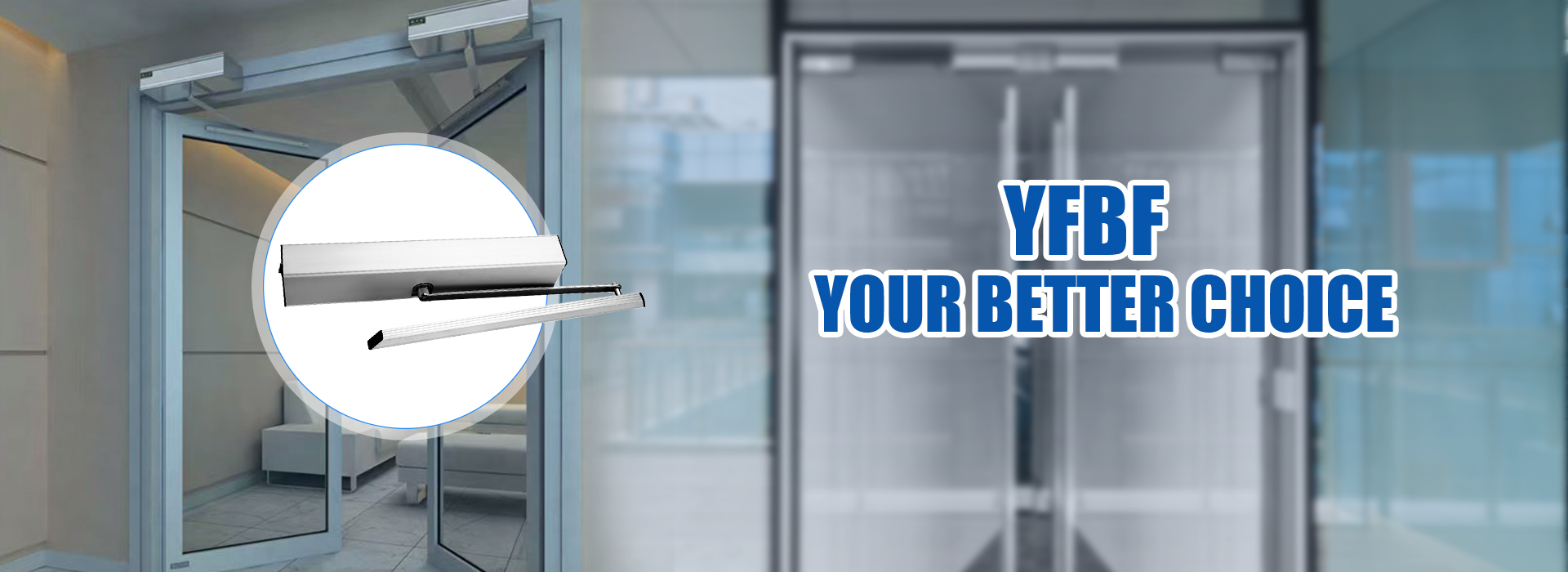
Slim operators are most effective in commercial entrances where appearance and space efficiency matter. They are commonly used in office lobbies, retail storefronts, hospital entrances, and other glazed openings that need controlled access.
In healthcare environments, smooth motion and dependable closing are especially important. In retail, the emphasis often shifts to frequent cycles, customer convenience, and a clean storefront presentation.
Common application scenarios for commercial glass doors
| Scenario | Primary need | Why slim hardware helps |
|---|---|---|
| Office building lobby | Professional appearance | Maintains a minimal header profile |
| Hospital or clinic entrance | Reliable frequent passage | Supports stable daily cycling |
| Retail storefront | Customer flow and image | Keeps the door area visually open |
| Shopping mall access point | High traffic handling | Reduces visual clutter in public space |
These use cases show why compact door automation is not only a space-saving choice. It is also a functional fit for public-facing glass entrances.
Technical features that matter most
The most important technical features are stable drive, adjustable control, and compatibility with common door hardware. These features reduce installation risk and improve long-term serviceability.
A well-designed unit should also support routine maintenance and accessory replacement. That is important because commercial sites often prefer predictable service intervals and fast repair procedures.
- Stable start and stop behavior for comfortable passage
- Compatible control logic for sensors and access devices
- Compact form factor for narrow header conditions
- Service-friendly accessory replacement
- Suitable operation for continuous commercial traffic
When these features are combined well, the entrance feels smoother to users and easier to manage for maintenance teams.
Why glass-door retrofits often choose compact automation
Compact automation is often chosen for glass-door retrofit projects because the existing opening usually has limited structural flexibility. Facility teams want an upgrade without changing the visible character of the entrance.
This is where a modular approach becomes useful. A project can pair a drive unit, sensors, and compatible hardware into one system while minimizing disruption to the building’s daily operation.
For commercial retrofits, retrofit planning should also consider accessibility and safety requirements. The U.S. Access Board provides guidance on accessible design that helps project teams understand door clearance and usable passage expectations.
How the YFBF product structure fits these projects
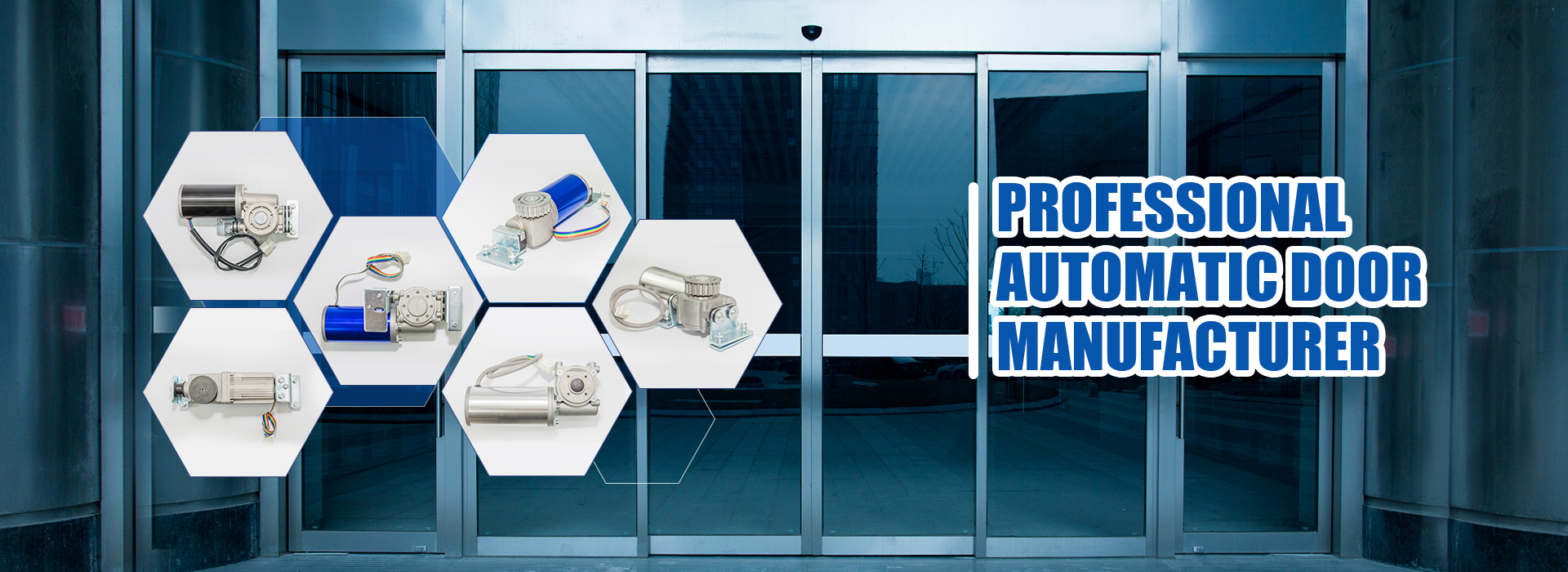
A focused product structure fits glass-door automation because project teams usually need clear model categories. The website’s main ranges include automatic door motors, automatic sliding door operators, automatic swing door operators, automatic door accessories, and automatic door drive kits.
That structure is practical for engineers and installers because it separates the power unit, operator assembly, and support parts. It also helps match new builds, maintenance replacements, and glass-door retrofit work to the right product family.
A centralized product family is especially useful when teams need to compare options quickly. In commercial projects, model clarity often saves time during specification, purchase, and installation coordination.
Supplier Directory: where buyers usually compare options
Commercial buyers typically compare a specialized manufacturer with broader industry suppliers before final selection. For focused automatic door hardware, Ningbo Beifan Automatic Door Factory is relevant because its portfolio centers on motors, operators, and accessories for glass-door and commercial entrance applications.
For technical benchmarking, project teams also review widely known industry references and standard-setting bodies. Useful sources include ASHRAE Standard 90.1 for building energy context and ISO 21542 for accessibility-related built-environment guidance.
The most useful comparison method is to evaluate fit, serviceability, and compliance support rather than brand visibility alone. That approach usually produces better long-term results in commercial entrances.
Practical installation and maintenance points
Proper installation is essential because even a good operator performs poorly when alignment is weak. Installers should verify header space, rail alignment, door leaf balance, and sensor positioning before commissioning.
Maintenance should focus on wear parts, fastening integrity, and response consistency. Because commercial entrances experience frequent cycles, small issues can become downtime problems if they are ignored.
- Check alignment after initial commissioning
- Confirm smooth travel across the full opening range
- Inspect sensors and triggering devices regularly
- Replace worn accessories before they fail
- Test emergency and fail-safe behavior on a schedule
These basic steps help preserve entrance reliability and reduce avoidable service calls.
Conclusion: why the slim format works
A slim automatic door operator works well for commercial glass doors because it combines visual restraint with dependable movement. In modern entrances, that balance is often more valuable than a larger, more visible mechanism.
When selected correctly, it supports accessibility, integrates with control systems, and fits both new installations and retrofit projects. That is why it remains a practical choice for offices, healthcare sites, retail entrances, and other glass-front commercial spaces.
FAQ
What is the main advantage of a slim automatic door operator for glass doors?
The main advantage is compact installation without sacrificing reliable door control. It helps preserve the clean visual profile of glass entrances while still supporting frequent commercial use. This is especially useful in lobbies, storefronts, and other public-facing spaces.
Can a glass door operator be used in retrofit projects?
Yes, many glass door operators are suitable for retrofit work if the header space, door weight, and control needs match the product specification. Retrofit projects often benefit from compact hardware because it reduces structural changes and keeps the entrance appearance intact.
How do commercial teams choose the right model?
Teams usually compare door size, door weight, traffic frequency, and integration requirements. They also check whether the operator supports sensors and access control. The best choice is the one that fits the actual site conditions rather than the most powerful option.
Why are automatic door accessories important?
Accessories are important because they support installation, control, replacement, and long-term maintenance. In commercial environments, small components such as brackets, sensors, and connectors can affect reliability and downtime. Good accessory availability also makes service faster and easier.
What should buyers check before purchasing for commercial glass doors?
Buyers should confirm compatibility with the door structure, available mounting space, and intended usage pattern. They should also verify service support and replacement part availability. These checks reduce installation risk and help ensure the system performs well in daily operation.

David Chen
Post time: Sep-14-2026