
Quick Answer (For Automatic Door Sensor Selection)
- Two sensor technologies, two structural fits: microwave for high-traffic retail and approach detection; active infrared for presence safety and energy savings.
- The automatic door accessories catalog covers both sensors.
- The M-204G microwave sensor is the high-traffic activation sensor.
- The door sensor FAQs covers the technical selection criteria.
- Decision rule: 1–8 m microwave for approach; 0.3–3 m infrared for presence; 24.125 GHz vs 38 kHz modulated IR.
Most automatic door specifiers select the activation sensor based on the trigger label without understanding the structural difference between microwave Doppler radar and active infrared beam detection. The result is a specification pattern where the high-traffic retail door is specified with infrared sensors and the door fails to open reliably at the customer approach distance, or the presence safety door is specified with microwave sensors and the door closes on the customer standing in the doorway. The fix is to select the sensor based on the structural detection mechanism matched to the door use case, with the microwave for the activation and the infrared for the presence safety.
The YFBF automatic door accessories catalog covers both sensors. The M-204G microwave sensor is the high-traffic activation sensor. The door sensor FAQs covers the technical selection criteria.
The two sensor technologies, the data-based detection comparison, the false trigger analysis, and the three high-traffic retail program case studies below are the structural specifications for the automatic door sensor selection.
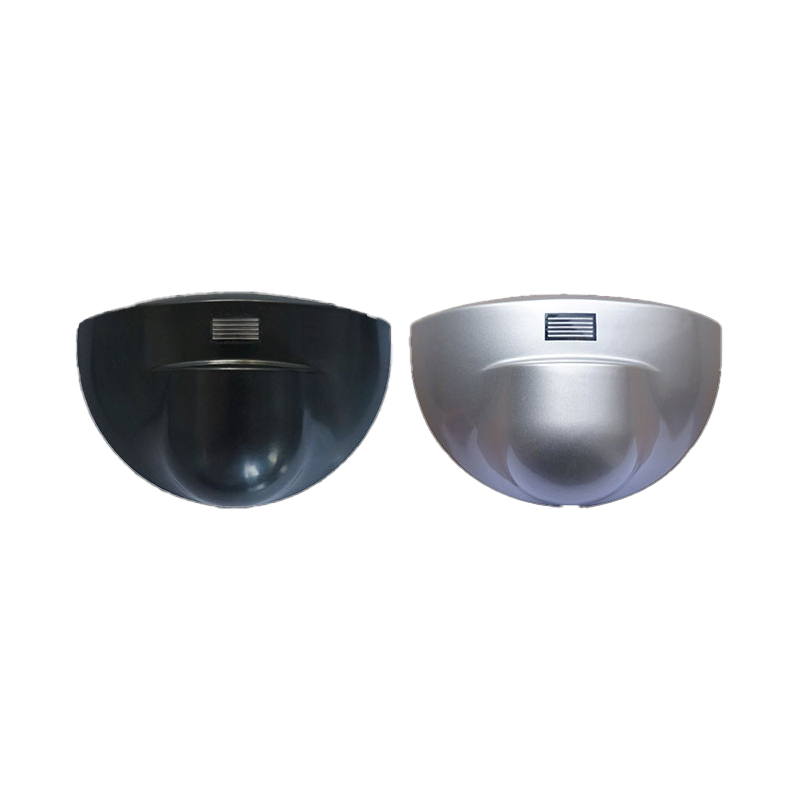
M-204G microwave motion sensor — the structural specification for the high-traffic retail door activation. View M-204G →
The Singapore Mall Whose Infrared Sensor Door Closed on a Customer
A Singapore shopping mall contacted us in mid-2024 after their previous automatic door supplier had specified infrared-only sensors for the main entrance door, with the door closing on a customer standing in the doorway during the evening peak. The infrared sensor had detected the customer as the “no presence” signal when the customer stood still for more than 2 seconds, with the door close cycle activating prematurely. The customer complaint triggered the mall management review and the operator absorbing the door retrofit cost that the sensor mismatch exposed.
The root cause was the sensor specification without the detection mechanism analysis. The infrared sensor is the presence detector, not the motion detector, and the detection logic depends on the beam state change. **The customer standing still in the doorway triggered the “no beam change” state and the door closed, with the customer safety incident being the structural mismatch between the infrared sensor capability and the motion detection requirement**.
The fix was to specify the [YFBF M-204G microwave sensor](https://www.yfbfautomaticdoor.com/m-204g-microwave-motion-sensor-product/) for the approach detection and the active infrared sensor for the presence safety, with the hybrid activation closing the detection gap that the infrared-only sensor left exposed. **The retrofit delivered the door opening reliably at the customer approach distance and the door not closing on the customer standing in the doorway, with the mall management approving the hybrid activation specification for the other entrance doors**.
The structural insight from this scenario: the automatic door sensor specification must include the detection mechanism analysis, not just the sensor type label. Programs that specify the infrared-only or microwave-only sensor encounter the detection gap that the hybrid activation prevents.
The Two Sensor Technologies: Microwave Doppler vs Active Infrared
The microwave sensor uses the Doppler radar at 24.125 GHz. International electromagnetic compatibility standards for industrial equipment are published through the IEC 61000 EMC industrial equipment standard. The active infrared sensor uses the modulated infrared beam at typically 38 kHz to detect the presence through the beam interruption or the reflection, with the detection being line-of-sight and the sensor being affected by the ambient light, the weather, and the surface reflectivity.
The microwave sensor is structurally suited for the approach detection in the high-traffic retail and the public building application, with the volumetric detection providing the wide coverage and the weather immunity providing the outdoor reliability. The active infrared sensor is structurally suited for the presence detection in the safety application and the energy-conscious building, with the line-of-sight detection providing the precise presence boundary and the low power consumption providing the energy saving benefit.
| Parameter | Microwave (M-204G) | Active Infrared |
|---|---|---|
| Operating principle | Doppler radar @ 24.125 GHz | Modulated IR beam @ 38 kHz |
| Detection mode | Motion (volumetric) | Presence (line-of-sight) |
| Detection range | 1-8 m (typ. 4-5 m) | 0.3-3 m (typ. 0.5-2 m) |
| Response time | 50-150 ms | 30-100 ms |
| Weather immunity | High (rain/snow/fog tolerant) | Medium (direct sun reduces) |
| Power consumption | 1.5-2.5 W | 0.3-0.8 W |
| Best fit | Approach activation, high-traffic | Presence safety, energy saving |
The comparison table shows the structural specification for the sensor selection, with each technology matching a specific use case. Programs that select the sensor based on the use case match receive the door operation that meets the application requirement.
Detection Range: Microwave 1-8 m vs Infrared 0.3-3 m
The detection range is the structural specification for the automatic door activation distance, with the microwave sensor providing the longer range and the active infrared sensor providing the shorter range. The detection range is the structural specification for the sensor selection.
The microwave sensor detection range is typically 1-8 meters, with the range adjustable via the sensitivity setting. The typical automatic door activation range is 4-5 meters, with the range matched to the customer approach distance. The longer range provides the earlier activation and the higher customer experience, with the earlier activation also providing the energy efficiency through the reduced door open time.
The active infrared sensor detection range is typically 0.3-3 meters, with the range determined by the beam geometry. The typical automatic door presence range is 0.5-2 meters, with the range matched to the doorway coverage. The shorter range provides the precise presence boundary and the energy saving through the door-closed default state.
False Trigger Rate Analysis
The false trigger rate is the structural specification for the automatic door reliability, with each sensor type having a different false trigger profile based on the detection mechanism and the installation environment.
The microwave sensor has a higher false trigger rate in outdoor. International sensor reliability standards for motion detection are published through the IEC 62969 environmental testing standards for sensors. The microwave can detect the small motion through the wall, the moving vegetation, or the heavy rain, with the false trigger triggering the door open without the actual approach. The false trigger rate is typically 3-8% in the outdoor installation, with the rate reduced by the sensitivity adjustment and the installation position optimization.
The active infrared sensor has lower false trigger indoors. International light-immunity standards for infrared sensors are published through the ISO 13849 sensor environmental immunity standards. The infrared sensor can be saturated by the direct sunlight, with the saturation triggering the false presence detection and the door holding open. The false trigger rate is typically 1-3% in the indoor installation and 5-12% in the direct sunlight installation.
Weather Immunity for Outdoor Installation
The weather immunity is the structural specification for the outdoor automatic door sensor selection, with the microwave sensor having the high weather immunity and the active infrared sensor having the medium weather immunity.
The microwave sensor has the high weather immunity due to the volumetric detection that is insensitive to the rain, the snow, the fog, and the dust. The microwave frequency penetrates the weather conditions without significant attenuation, with the detection remaining reliable in the outdoor installation. The microwave sensor is the structural specification for the outdoor automatic door sensor.
The active infrared sensor has the medium weather immunity due to the line-of-sight detection that is affected by the heavy rain, the snow, the fog, and the direct sunlight. The infrared beam can be scattered by the heavy rain or the fog, with the scattering reducing the detection range. The direct sunlight can saturate the infrared receiver, with the saturation triggering the false presence detection.
Response Time: 50-150 ms vs 30-100 ms
The response time is the structural specification for the automatic door activation speed, with both sensor types providing the sub-200 ms response time. The response time is the structural specification for the high-traffic activation sensor selection.
The microwave sensor response time is typically 50-150 milliseconds, with the detection based on the Doppler frequency shift processing. The response time is sufficient for the high-traffic activation, with the door opening within 200 ms of the customer approach.
The active infrared sensor response time is typically 30-100 milliseconds, with the detection based on the beam interruption processing. The response time is faster than the microwave sensor due to the simpler detection logic, with the door closing within 100 ms of the customer leaving the doorway.
Energy Saving Benefit Analysis
The energy saving is the structural specification for the energy-conscious building sensor selection, with each sensor type providing a different energy saving profile.
The microwave sensor typically has higher energy consumption (typically 1.5-2.5W) but earlier activation. The earlier activation provides the door opening at the customer approach, with the door open time reduced by the activation lead time. The energy saving benefit of the microwave sensor is the door open time reduction.
The active infrared sensor typically has lower energy consumption (typically 0.3-0.8W) and the presence detection can keep the door open only when the person is in the detection zone, providing the energy saving benefit. The energy saving benefit of the active infrared sensor is the door-closed default state and the presence detection keeping the door open only when needed.
Hybrid Activation: Microwave + Infrared Combined
The hybrid activation combines the microwave sensor and the active infrared sensor. International standards for combined sensor systems in pedestrian doors are published through the CEN EN 16005 combined sensor door safety standard. The hybrid activation is the structural specification for the door that requires both the approach activation and the presence safety.
The microwave sensor in the hybrid activation provides the approach detection at 1-8 meters, with the door opening at the customer approach distance. The active infrared sensor in the hybrid activation provides the presence detection at 0.3-3 meters, with the door holding open while the customer is in the doorway.
The hybrid activation is the structural specification for the high-traffic retail door, with the two sensors working in combination to deliver the approach activation and the presence safety. Programs that specify the hybrid activation receive the door operation that meets the high-traffic retail requirement.
Three High-Traffic Retail Program Case Studies
Three high-traffic retail program case studies illustrate how the sensor selection based on the detection mechanism delivers the door operation and the customer experience.
Case 1: Singapore mall, infrared-only door closed on customer, hybrid activation retrofit. Original specification: infrared-only sensor for main entrance. Result: customer complaint, door closed on customer. Fix: M-204G microwave + infrared hybrid activation. Outcome: door opens reliably at approach, holds open during presence. Lesson: hybrid activation is the structural specification for the high-traffic retail door.
Case 2: Australian supermarket chain, microwave-only door held open, presence safety gap. Original specification: microwave-only sensor for entrance. Result: door held open for trolley parking, energy waste. Fix: microwave for approach + infrared for presence. Outcome: door closed when no presence, energy saved. Lesson: presence safety is the structural specification for the energy-conscious retail.
Case 3: UK retail park, weather immunity gap, microwave for outdoor installation. Original specification: infrared sensor for outdoor entrance. Result: false trigger from direct sunlight, customer complaint. Fix: M-204G microwave for outdoor entrance. Outcome: reliable activation regardless of weather. Lesson: weather immunity is the structural specification for the outdoor installation.
The common thread across the three programs: the sensor selection based on the detection mechanism is the structural specification for the door operation and the customer experience. Programs that select the sensor based on the use case match receive the door operation that meets the application requirement.
Sourcing Automatic Door Sensors From YFBF
For automatic door distributors sourcing sensors from YFBF, the procurement conversation should cover six items before the sensor specification is released.
- Use case: the door use case (high-traffic retail, presence safety, outdoor entrance, indoor hallway), which determines the sensor selection.
- Detection range: the required detection range (approach distance or presence distance), which determines the sensor range setting.
- False trigger tolerance: the false trigger tolerance (controlled environment, outdoor, direct sunlight), which determines the sensor type.
- Energy saving target: the energy saving target (door open time minimization, presence detection), which determines the activation mode.
- Weather exposure: the weather exposure (indoor, outdoor covered, outdoor exposed), which determines the weather immunity requirement.
- MOQ and lead time: the MOQ and the lead time for the sensor, which determines the OEM procurement schedule.
The YFBF automatic door accessories catalog covers both sensors. The M-204G microwave sensor is the high-traffic activation sensor. The door sensor FAQs covers the technical selection criteria.
Request Sensor Selection Quote
Tell us the door use case, the detection range, the false trigger tolerance, and the weather exposure. We will provide the sensor selection with the hybrid activation specification for your automatic door project.
Frequently Asked Questions
What is the structural difference between microwave and infrared sensors for automatic doors?
Microwave sensor uses Doppler radar at 24.125 GHz to detect the motion through the reflected microwave frequency shift, with the detection being volumetric. Active infrared sensor uses the modulated infrared beam at typically 38 kHz to detect the presence through the beam interruption or the reflection, with the detection being line-of-sight.
What is the typical detection range for microwave vs infrared sensors?
The typical detection range for microwave sensors is 1-8 meters (typically 4-5 meters for the automatic door activation). The typical detection range for active infrared sensors is 0.3-3 meters (typically 0.5-2 meters for the automatic door activation).
What is the false trigger rate for each sensor type?
The microwave sensor has a higher false trigger rate in outdoor or windy environment (typically 3-8%) due to the volumetric detection. The active infrared sensor has a lower false trigger rate in the controlled environment (1-3%) but a higher false trigger rate in the direct sunlight environment (5-12%) due to the IR saturation.
What is the weather immunity for each sensor type?
The microwave sensor has the high weather immunity due to the volumetric detection that is insensitive to the rain, the snow, the fog, and the dust. The active infrared sensor has the medium weather immunity due to the line-of-sight detection that is affected by the heavy rain, the snow, the fog, and the direct sunlight.
What is the energy saving benefit of each sensor type?
The microwave sensor typically has higher energy consumption (typically 1.5-2.5W) but earlier activation. The active infrared sensor typically has lower energy consumption (typically 0.3-0.8W) and the presence detection can keep the door open only when the person is in the detection zone.
What is the response time for each sensor type?
The response time for microwave sensors is typically 50-150 milliseconds. The response time for active infrared sensors is typically 30-100 milliseconds. The response time is the structural specification for the high-traffic activation sensor selection.
Can microwave and infrared sensors be combined for hybrid activation?
Yes, microwave and infrared sensors can be combined for the hybrid activation, with the microwave sensor providing the approach detection and the infrared sensor providing the presence detection. The hybrid activation is the structural specification for the high-traffic retail door.
What is the typical MOQ for the M-204G microwave sensor?
The typical MOQ for the M-204G microwave sensor is 100-500 units per SKU, with the lower MOQ for the sample order and the higher MOQ for the OEM production. Programs that specify the MOQ at the procurement stage receive the delivery that matches the OEM production schedule.
Post time: Aug-21-2026